
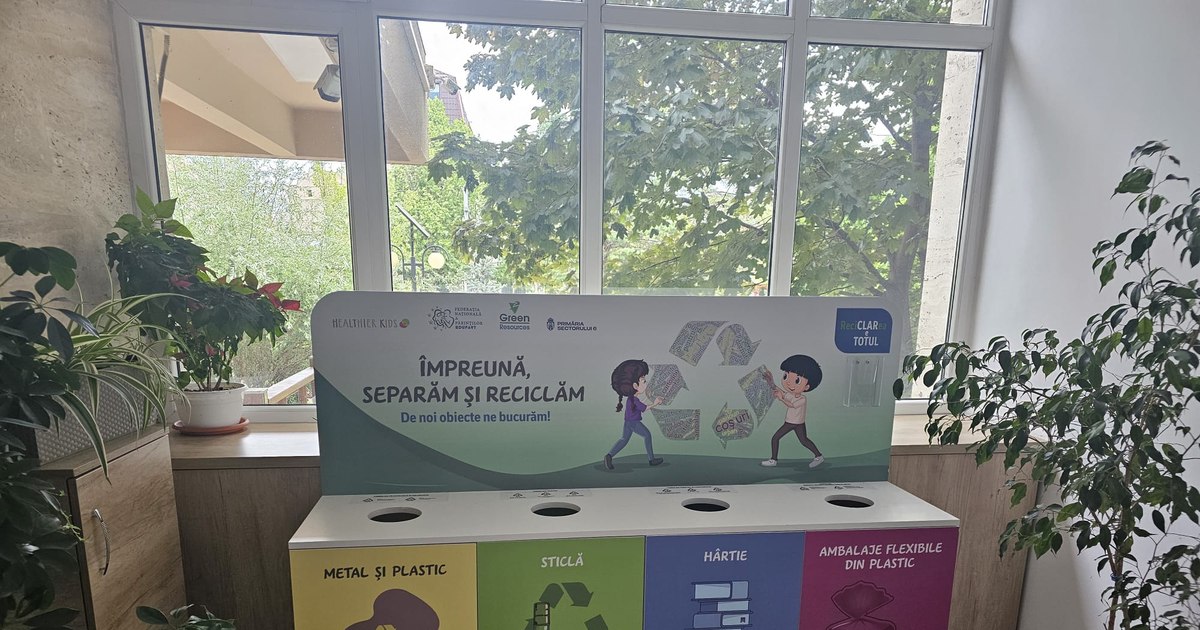
Nestlé, in partnership with the Edupart National Federation of Parents (FNPE) and Green Resources Management, is launching a new educational project under the title “Recycling is everything!”.
This project to inform and educate the younger generation aims to increase involvement in the selective collection of recyclable materials. Six pre-university educational institutions from Bucharest and the City Hall of Sector 6 are participating in this year's pilot program.
The objective of the pilot project “Recycling is everything!” is to educate parents and children about selective collection, to teach them the symbols specific to each recyclable material, to inform them about the impact that improper collection has on the environment, to reconnect children and teenagers in schools and high schools with nature, to stimulate them to do simple gestures to protect it at home and at school.
One school from each sector of Bucharest participates in this project: Ion Neculce High School, High School no. 39, “Liviu Rebreanu” Secondary School, Secondary School no. 190, Secondary School no. 150 and the “Tudor Vladimirescu” High School, as well as the District 6 City Hall.
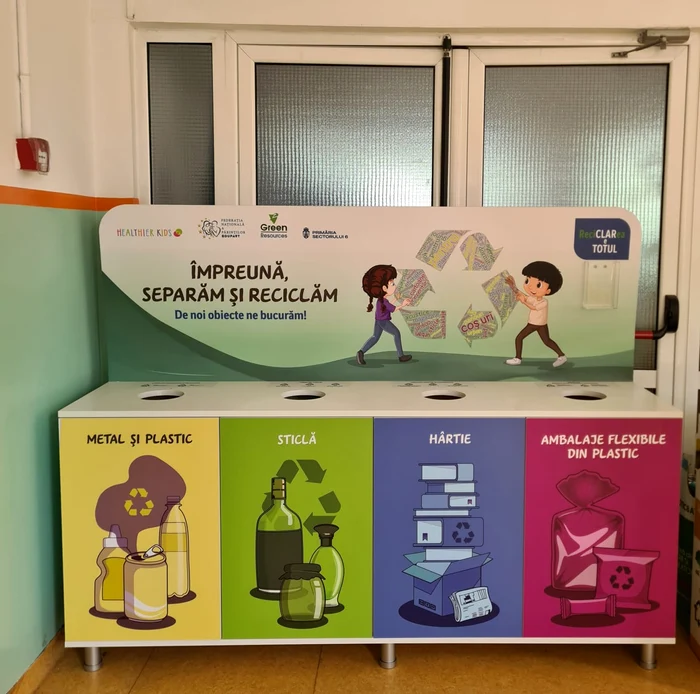
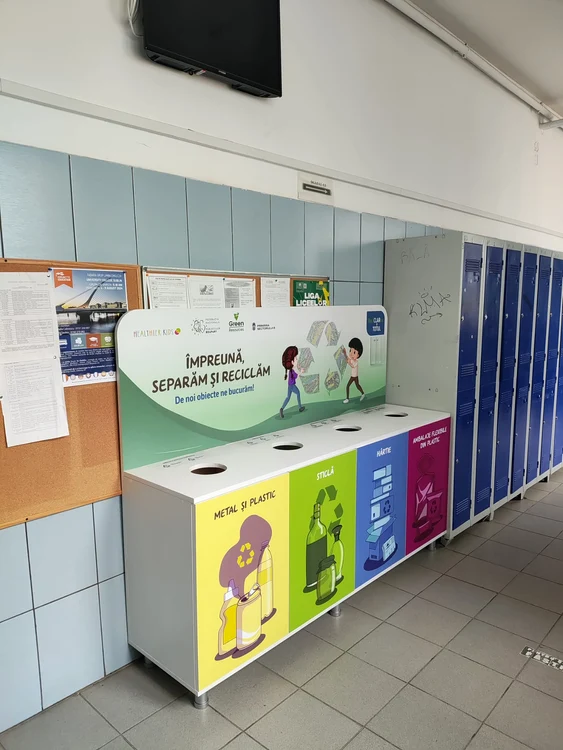
In all seven locations there will be a recycling station for the selective collection of recyclable materials. These stations have a special design created following a competition organized by the Bucharest National University of Arts, in collaboration with FNPE.
“Recycling is EVERYTHING is a step forward in Nestlé's ongoing commitment to sustainability and recycling. We want to provide the community with an easy to understand and creative way to learn the symbols found on recyclable packaging. We have opted for an innovative approach that aligns with the opening of secondary and high school education units to such initiatives. Children will recognize and know how to make use of the multitude of recyclable materials, overcoming the limits of habit and paving the way to environmentally responsible behavior for future generations.” explain Irina Siminenco, Corporate Affairs Manager, Nestlé Romania.
The campaign in the six schools has a strongly interactive component and includes educational workshops that will be held by representatives of the Green Resources Management organization, and where students will learn about selective collection, about the four categories of recyclable materials, the signage and the color of each collection container, and then apply what they have learned, using the four containers located in the school. Students will also participate in a poster design contest to promote the initiative, to increase their level of involvement.
The pilot project “Recycling is everything!” will end on June 14, 2024, with the celebration during which the winners of the poster contest and the grand prize will be announced.
The targets are flexible plastic packaging, but not only! Polyethylene and Polypropylene are the most common types of flexible plastic, used especially in the food industry, because they have a number of special qualities that help with protection, hygiene and food safety. Polyethylene (PE-LD) is found in the plastic wrap that protects your favorite chocolate or cereal bar, pasta or instant noodles. It is also found in plastic bags, as well as in the packaging of some products, toys, etc. Polypropylene (PP) has a high degree of food safety due to its lack of toxicity and temperature resistance, being ideal for plastic bags for food, but also for dairy products, dishes that can be inserted in the microwave oven, DVD cases, etc. .
