
Bacteria and fungi have evolved over time, and certain species have adapted to the times and seem to feed on plastic.
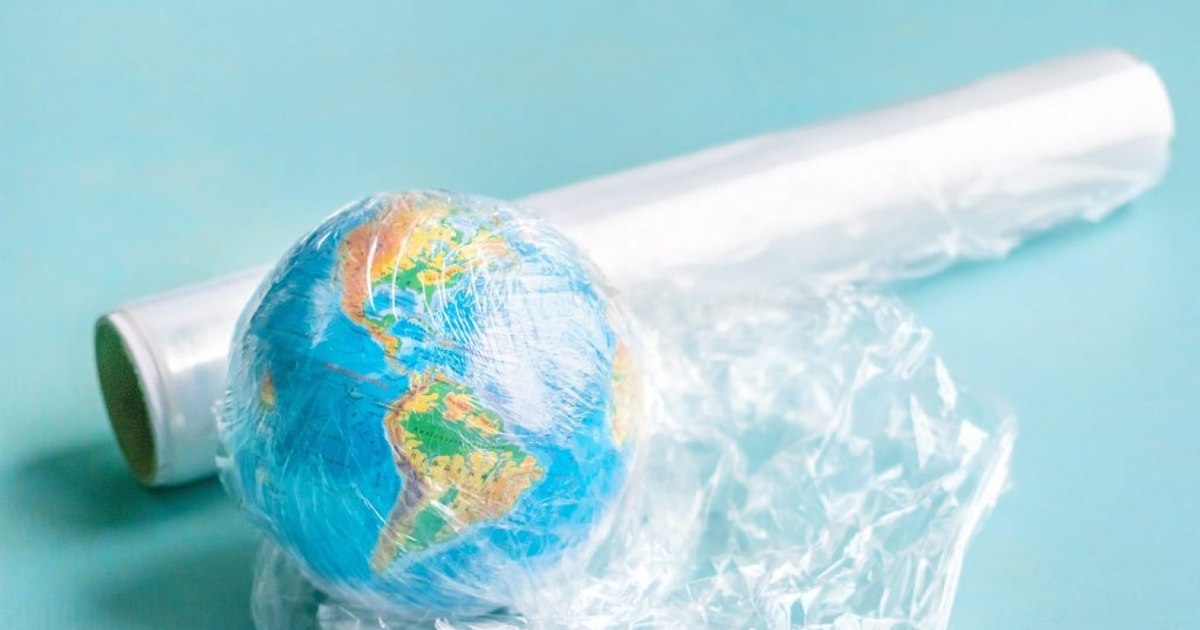
Plastic pollution of the oceans is a growing problem. PHOTO Archive
Scientists in Germany have identified a type of fungus capable of breaking down plastic, offering a potential new weapon in the global fight against plastic pollution, writes The Independent.
A team from the Leibniz Institute for Freshwater Ecology and Inland Fisheries in Berlin discovered that certain microfungi can survive exclusively on plastics, degrading them into simpler forms.
While this is a promising finding, especially when it comes to combating plastic ocean pollution, experts have warned that it is not a lifesaver.
Researchers have observed that microfungi in Lake Stechlin in northeastern Germany can thrive on synthetic polymers without any other carbon source.
This ability to use plastic as a sole food source allows Stechlin fungi to degrade plastic more efficiently compared to other organisms that may need additional nutrients or carbon sources.
The fungi’s ability to break down plastic may have evolved in response to the overwhelming presence of the synthetic material in their environment, the researchers said.
These fungi are particularly efficient at breaking down polyurethane, a common material used in construction foam, the researchers say.
Four of the 18 strains of fungi studied by the Leibniz Institute team are particularly “hungry,” which means they can efficiently use plastics, especially polyurethane, Reuters reported.
They are less effective at breaking down polyethylene, commonly used in plastic bags, and microplastics from tire abrasion, which are loaded with heavy metal additives that prevent degradation.
Could mushrooms solve the plastic crisis?
Although the discovery of plastic-eating fungi is a step forward, it is unlikely to solve the problem of plastic pollution too quickly.
Experts said the most effective way to tackle plastic pollution is to reduce the amount of material entering the environment.
The enzymatic activity of the fungi responsible for breaking down plastic is highly dependent on external factors such as temperature and nutrient availability. This makes them more suitable for controlled environments such as sewage treatment plants rather than natural environments.
They can be particularly useful in areas where traditional recycling methods are less effective.
“We should definitely try to release as little plastic as possible into the environment. Plastic is made from fossil carbon, and if fungi break it down, it’s no different than burning oil or gas and releasing CO2 into the atmosphereHans-Peter Grossart, the lead researcher, told Reuters.
Plastic-degrading organisms have been the subject of scientific interest for years. To date, more than 400 species of such fungi and bacteria have been discovered.
Last year, a study published in the Journal of Hazardous Materials by researchers at the Royal Botanic Gardens, Kew, London, found 184 fungi and 55 bacterial strains capable of breaking down polycaprolactone, a biodegradable polyester commonly used in production of polyurethanes.
A well-known example of plastic-eating bacteria is Ideonella sakaiensis, discovered in Japan in 2016, which can digest polyethylene terephthalate, commonly used in plastic bottles, which are difficult to recycle by traditional means.
Global plastic production has skyrocketed from 1.7 million tons in 1950 to 400 million tons in 2022, according to Statista. And despite increased efforts, only nine percent of plastic waste is recycled worldwide, the UN reports.
