
Scientists in Brazil have announced that they have discovered one of the oldest fossils belonging, most likely, to an ancient reptile that lived about 237 million years ago.
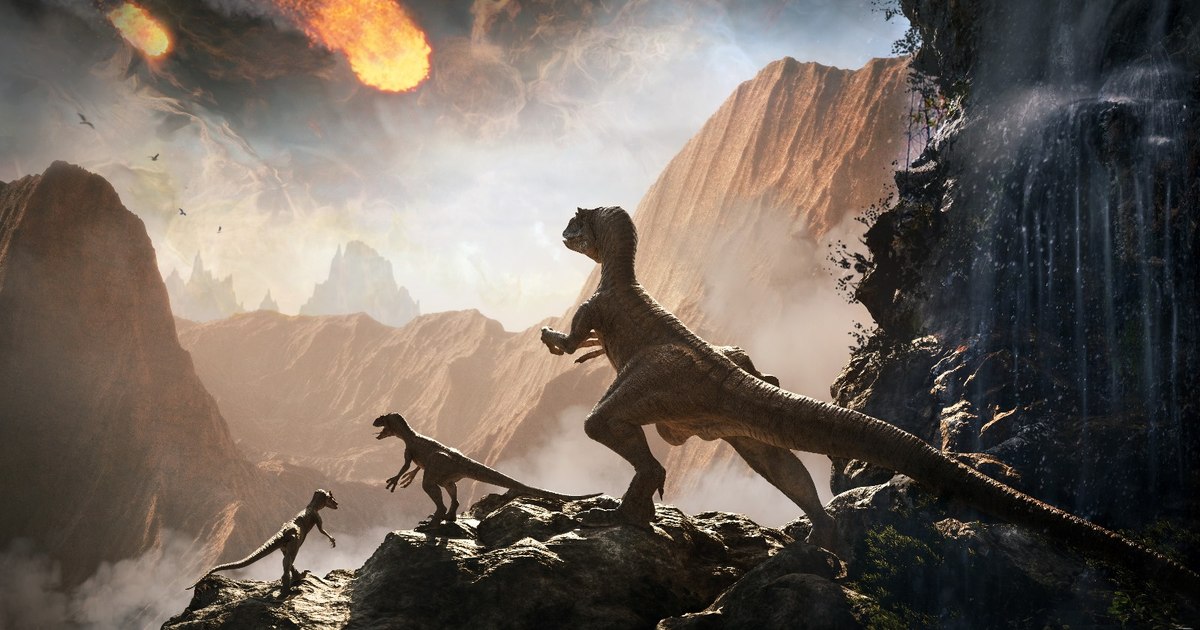
The discovery could bring clues about the dominance of the dinosaurs. PHOTO Shutterstock
The discovery could explain the rise of the dinosaurs, informs Reuters, searched by Agerpres.
It is a species of four-legged reptile named Gondwanax Paraisensis (Gondwanax means “ruler of Gondwana”, a reference to the Gondwana landmass in the southern region of the supercontinent Pangea before it split into several fragments during what Paraisensis is a tribute to the city of Paraiso do Sul).
According to a statement issued by scientists on Monday, the reptile was about the size of a small dog, had a long tail, about one meter, and weighed between three and six kilograms, and roamed territories located in present-day Brazil, at a time when the climate on Earth it was much warmer.
The importance of the discovery is related to the clues about dinosaurs
The researchers identified it as a new Silesaurid, an extinct group of reptiles. Paleontologists debate whether Silesaurids were true dinosaurs or possible precursors to creatures that once dominated life on Earth.
“Understanding the characteristics of these precursors could shed light on the crucial element that contributed to the evolutionary success of dinosaurs.”“, the statement also says.
The Gondwanax Paraisensis fossil, unearthed in a layer of rock dating from the Triassic period, which took place 252 million years ago – 201 million years ago, comes from the time when dinosaurs, but also mammals, crocodiles, turtles and frogs appeared for the first time.
“It’s an indescribable feeling”
In 2014, doctor Pedro Lucas Porcela Aurelio, passionate about paleontology since childhood, discovered the fossil in the city of Paraiso do Sul, located in the southernmost Brazilian state, Rio Grande do Sul.
He donated it to a local university in 2021, which started a three-year research.
“To be the first human being to touch something from 237 million years ago is extraordinary. It is an indescribable feeling”Aurelio told Reuters.
In an article signed by paleontologist Rodrigo Temp Müller and published last month in the scientific journal Gondwana Research, the discovery is presented in detail.
“The most important part of this discovery is its age, Since it is so ancient, it gives us clues about the appearance of the dinosaurs,” Müller said in an interview.
The paleontologist added that the fossils were covered by a thick layer of stone when they were donated by Aurelio, and initially, only parts of the vertebrae were visible.
