
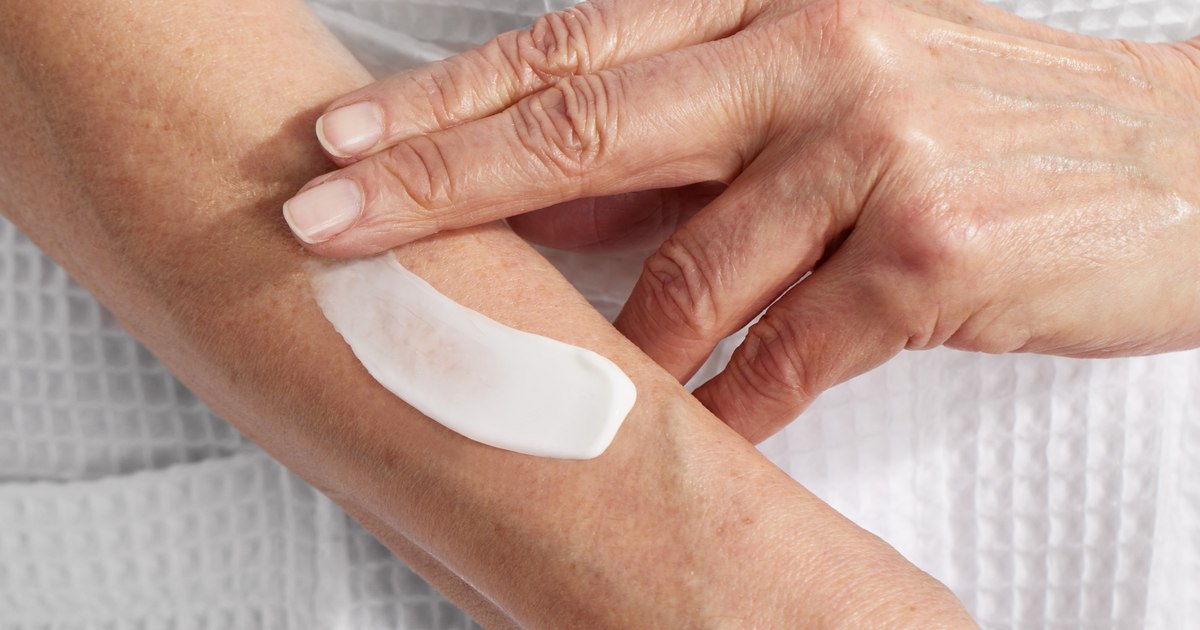
In recent years, the skin care industry has seen a significant increase in interest in active ingredients due to their ability to provide visible and tangible results. Active ingredients are chemicals that have a direct effect on the skin, helping to manage and prevent various dermatological problems. Among these ingredients, niacinamide has gained popularity due to its effectiveness and versatility in skin care.
What is niacinamide?
Niacinamidealso known as vitamin B3 or nicotinamideis a derivative of vitamin B3. It is a water-soluble substance, stable to heat and light, which makes it easy to include in various cosmetic formulas. The chemical properties of niacinamide allow it to penetrate the upper layers of the skin where it can exert multiple benefits.
Niacinamide plays a crucial role in maintaining the healthy appearance of the skin. It contributes to improving the function of the skin barrier, helps reduce inflammation and redness, regulates sebum production and helps to even out skin tone. These properties make niacinamide an essential ingredient for healthy-looking, radiant skin.
Niacinamide skin benefits
Niacinamide is recognized for its multiple benefits especially for ensuring a healthy appearance of the skin. Here are the main benefits that niacinamide offers to the skin:
Reducing the red and inflamed appearance of the skin
Niacinamide cream and serum are products with anti-inflammatory properties, making them effective in soothing irritated skin and visibly reducing redness.
Contributes to the minimization of enlarged pores
By regulating sebum production and improving skin elasticity, a niacinamide serum can help reduce enlarged pores. This contributes to an overall smoother and more even skin appearance.
Regulation of sebum production
Niacinamide is known for its ability to balance sebum production, being useful for both oily and combination skin. This can reduce excess sebum and, implicitly, the risk of pimples.
Improving the skin’s natural barrier
Niacinamide helps restore and strengthen the skin’s lipid barrier. A healthy skin barrier prevents transepidermal water loss and maintains optimal hydration, while protecting the skin from harmful external factors such as pollution and bacteria.
Even out skin tone and reduce hyperpigmentation
Niacinamide inhibits the transfer of melanosomes (pigment granules) to skin cells, which can reduce hyperpigmentation and age spots. This helps to achieve a more even and brighter looking complexion.
Helps reduce fine lines and wrinkles
Niacinamide stimulates the production of collagen and other essential skin proteins, which can help reduce the appearance of fine lines and wrinkles. It also improves the elasticity of the skin, giving it a younger and firmer appearance.
Antioxidant protection
Niacinamide has antioxidant properties, helping to neutralize free radicals that can damage skin cells. This protects the skin from damage caused by sun exposure and other environmental stressors.
hydration
By strengthening the skin barrier, niacinamide helps maintain skin hydration. This can reduce the feeling of dry and flaky skin, contributing to a healthier and more supple appearance of the skin.
Improving skin texture
Consistent use of niacinamide can lead to a smoother and more even skin texture, reducing the rough and uneven appearance.
Because of these multiple benefits, niacinamide is a very versatile and valuable ingredient in skin care products, being suitable for all skin types and a wide range of dermatological problems.
How to incorporate niacinamide into your daily routine
Niacinamide is available in various forms, including niacinamide serum, creams, and lotions. Niacinamide serums are usually more concentrated and can be applied directly to the skin, while creams have the advantage of providing additional hydration.
Regarding the recommended concentration for different skin types, for sensitive skin it is recommended to start with a lower concentration of around 2-5%. For normal or combination skin, concentrations of 5-10% are usually well tolerated and effective.
As an application process, in the daily care routine, niacinamide should be applied after cleansing and toning the skin, but before applying moisturizer and sunscreen. If you use a niacinamide serum, it should be applied before other thicker serums or creams.
Combining niacinamide with other active ingredients
Compatibility with retinol
Niacinamide and retinol can be used together to achieve synergistic benefits such as reducing wrinkles and improving skin texture. It is recommended to apply niacinamide before retinol to minimize potential irritation.
Use with vitamin C
Niacinamide and vitamin C were considered incompatible in the past, but recent research shows that they can be used together to provide antioxidant and skin-lightening benefits.
Ingredients to avoid
Although niacinamide is compatible with most ingredients, it is important to avoid combining it with products containing strong exfoliating acids such as AHAs or BHAs to prevent irritation.
Tips for optimal results
Frequency of use and adjustment according to skin reaction
Start by applying niacinamide once a day and gradually increase the frequency based on skin tolerance. Monitor skin reaction and adjust use accordingly.
The importance of consistency
To see noticeable results, it is essential to use niacinamide consistently, preferably daily, for at least 8-12 weeks.
Sun protection and niacinamide
Using proper sunscreen is crucial when incorporating niacinamide into your daily routine, as it helps protect the skin and maximize the benefits of niacinamide.
Possible side effects and how to manage them
Although rare, some people may develop allergic reactions to niacinamide. If you notice symptoms such as itching, redness or severe irritation, discontinue use and consult a dermatologist.
Before introducing a new niacinamide product into your skin care routine, perform a sensitivity test by applying a small amount to an inconspicuous area of skin, such as the wrist or behind the ear. Wait 24 hours to see if any side effects occur.
If irritation occurs, reduce the frequency of use or the concentration of the product. If irritation persists, consult a dermatologist for personalized recommendations.
Niacinamide is a versatile and effective ingredient that offers multiple benefits for young, healthy-looking skin. From reducing redness and inflammation, to regulating sebum production and evening out skin tone, niacinamide is a trusted ally in any skincare routine.
By properly integrating niacinamide into your daily routine and combining it with other compatible active ingredients, you can achieve healthier, brighter, and more even-looking skin. Remember to be consistent in product use and protect your skin from harmful external factors to maximize the benefits of this wonderful ingredient.
