
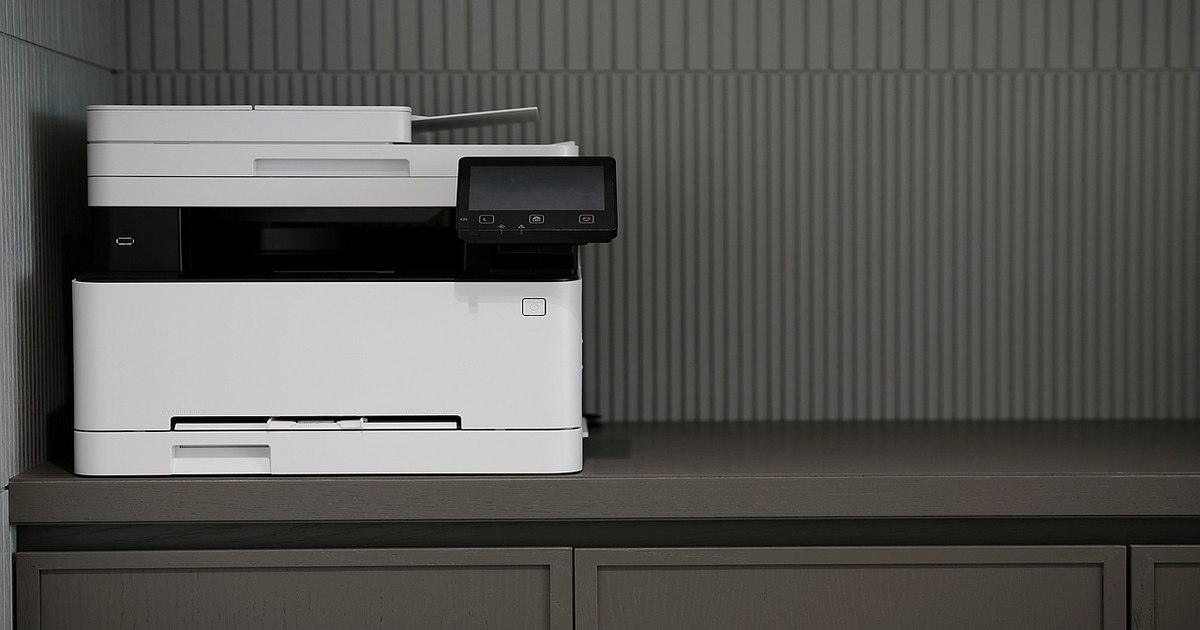
Have you ever wondered what the future of printing will look like? If you think your current printer is just for documents and photos, get ready to radically change your perspective.
Emerging technologies are transforming this industry at a dizzying pace, and what seemed like science fiction a few years ago is quickly becoming reality. From printers that create functional human organs to devices that can print food to order, the future of printing is closer and more fascinating than you might imagine.
Although 3D printing has been around for a while, the new developments in this field are truly revolutionary. The technology evolves from simple printing of plastic objects to the creation of complex structures from multiple materials. Imagine a printer that can produce functional parts for the automotive or aerospace industry with mechanical properties identical to those of traditional parts.
In the medical field, bionic printers represent the next big leap. Researchers are working to develop specialized printers that can create human tissues and organs using stem cells. This technology could revolutionize organ transplants, eliminating long waiting lists and the risk of rejection.
A new frontier in the world of printers is nanoprinting. This technology enables the creation of microscopic-scale structures with applications in electronics, medicine and materials science. Imagine a printer that can create electronic circuits smaller than the thickness of a hair, or medical sensors that can be implanted in the body without being detected.
The future also brings a new generation of printers equipped with artificial intelligence. These devices will be able to anticipate your printing needs, automatically optimize resource consumption, and detect and resolve problems before they occur. You will be able to communicate with your printer through natural voice commands, and it will learn from your preferences to give you better and better results.
Sustainable printing and revolutionary materials
In a world increasingly concerned with sustainability, the future of printing is closely linked to the development of eco-friendly materials. Researchers are working on developing biodegradable inks and printing materials that can naturally break down after use. Imagine a printer that uses natural pigments and recyclable materials, dramatically reducing your environmental impact.
A new dimension in food printing
Food printing is no longer just a futuristic concept. New specialized printers can create complex culinary preparations, from elaborate desserts to lab-grown meat. This technology could revolutionize the food industry, providing customized solutions for special diets and reducing food waste.
Holograms and augmented reality
The next step in printing could be creating tangible holograms. Researchers are working to develop printers that can create interactive three-dimensional projections, combining the physical and digital worlds in a way never seen before.
Impact on daily life
All these innovations will fundamentally transform the way you interact with printing technology. Instead of being limited to documents and photos, you’ll be able to print personalized items, from accessories to pieces of furniture. In the field of education, printers will enable the creation of interactive teaching materials and 3D models for more effective learning.
Ethical challenges and considerations
However, these technological advances also bring significant challenges. Cybersecurity issues become more complex when printers are connected to the Internet and can handle sensitive data. In addition, there are important ethical questions related to bioprinting and the use of synthetic materials.
However, this means that as technology evolves, new career opportunities in printing emerge. From designers specializing in 3D printing to bioprinting technicians, the job market is adapting to these technological changes. It is important to prepare for these changes and develop the necessary skills to stay relevant in an ever-changing world.
To benefit from these technologies, it is essential to stay informed and open to innovation. Follow developments in the field, attend workshops and experiment with new technologies as they become available. Investment in education and the development of new skills will be crucial to take advantage of the opportunities offered by the future of printing.
