
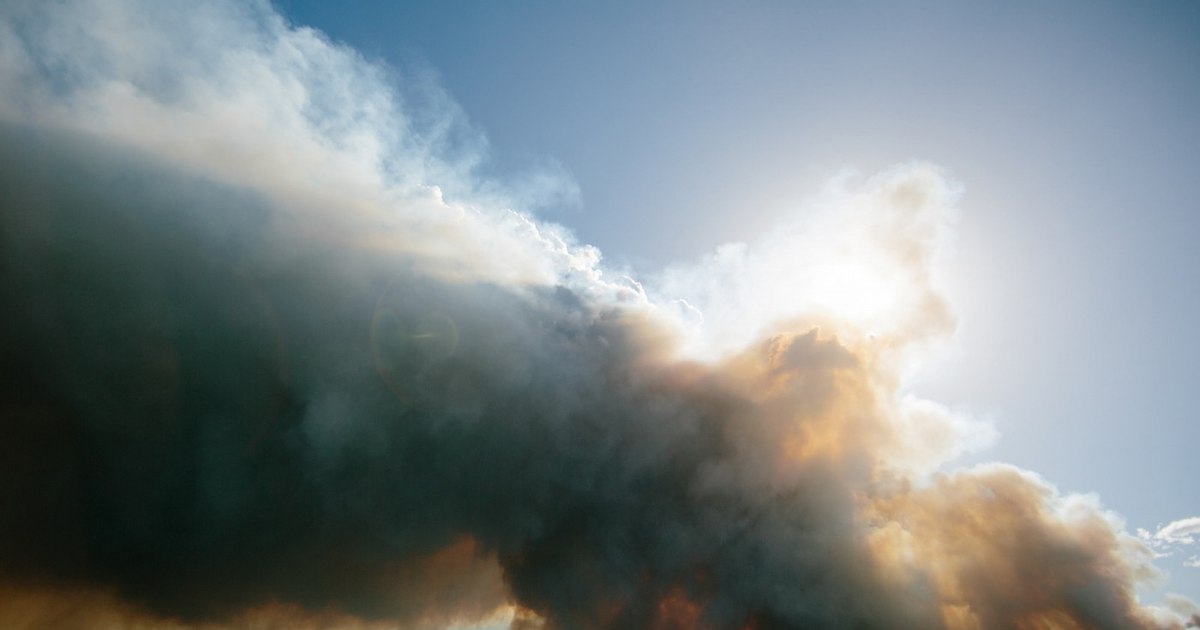
Exposure to fire smoke can have serious effects not only on lungs and heart, but also on the brain. A new study analyzes the impact of smoke on the hematoencephalic barrier and the associated neurological risks.
Photo archive
The devastating fires of Los Angeles in January have aroused concerns about the long -term effects of smoke inhalation. A study published in the International Journal of Molecular Sciences and conducted by researchers at the Lawrence Livermore National Laboratory (LLNL) and the US Environmental Protection Agency shows how exposure to fire smoke affects the hematoencephalic barrier, an essential structure that protects the brain from substances. harmful.
According to researchers, fire smoke can cause molecular and cellular changes in the brain, being associated with neurological conditions such as Alzheimer’s, Parkinson’s disease and dementia. The study focused on the effects of smoke from the burning of eucalyptus, a very flammable tree, common in California.
The researchers exhibited two types of brain cells at eucalyptus smoke extract for 24 hours to observe their reactions. The results showed that the smoke triggers an inflammatory process in the brain, increasing the level of a protein called interleukin-8, associated with neurological inflammation. Also, there has been a deterioration of some essential components of the hematoencephalic barrier, which protects the brain from harmful substances.
The researchers underline the need for further studies to analyze the long -term exposure and the effects on other types of brain cells. Also, the composition of smoke particles varies depending on the type of fuel, location and weather conditions, which suggests that other types of plant materials should be evaluated to determine their toxic potential.
Currently, LLNL scientists are investigating the path of smoke particles in the brain using advanced mass spectrometry technologies, writes medicalxress.com. They also plan studies on living models to better understand the neuro -inflammatory effects of fire smoke.
