
A recent revolutionary study shows that a short exposure to air pollution can affect the ability to concentrate on daily activities. Moreover, exposure to particles in the air (PM) interferes with the selective attention and the recognition of emotions, affecting how we react and interact.
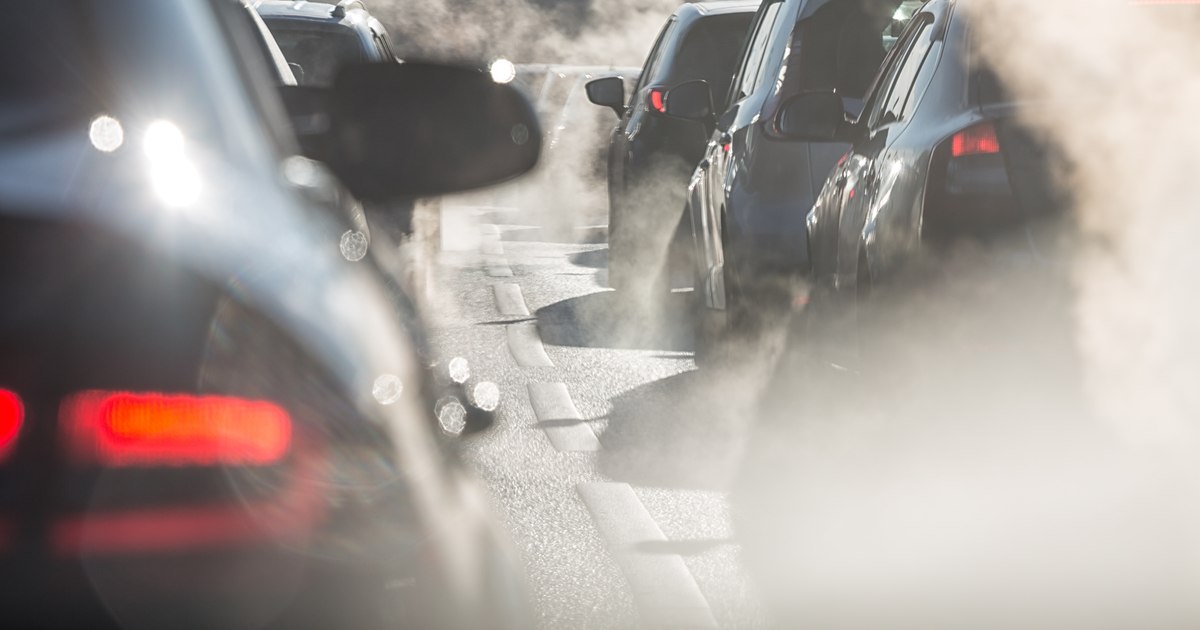
Exhaust gases and dust from roads – significant sources of shutterstock photo
The researchers analyzed the results of the cognitive tests performed by 26 participants, before and after they were exposed for one hour or at high levels of particles generated by the smoke of a candle or in clean air. Vehicle exhaust gases and road dust are significant particle sources.
The study, published in Nature Communications (“An acute exposure to particles reduces executive cognitive functions after only four hours, regardless of inhalation mode”), highlighted that a short exposure to high concentrations of PM compromises the ability to filter the information that distracts our attention and recognizing our emotions, whether we breathe normally or just on the mouth.
These effects can affect the individual’s ability to focus on daily activities, to avoid distractions and to behave properly in social media. PM – “Matter particles” translates through “Particular matter” and refers to solid or liquid suspended particles in the air, coming from various sources, such as vehicle emissions, fossil fuel burning, industrial processes and other activities that generate dust or smoke.
“Participants exposed to pollution have encountered difficulties in filtering the information that distract them – practically, they failed to ignore them. This phenomenon means that, in everyday life, you can be easier to distract; For example, shopping you may be tempted by impulsive purchases because you fail to focus on your goals ”explained Dr. Thomas Faherty from the University of Birmingham, co -author of the study.
Distorted emotions: Study participants confused happiness with fear
The study also showed that performance to emotions recognition tests has decreased significantly after exposure to particle pollution, emphasizing its impact on essential cognitive functions in everyday life.
“The participants have encountered difficulties in distinguishing whether a face expresses fear or happiness, and this can influence how we interact with others. There are studies that bind short -term exposure to air pollution of violent incidents, especially in major US cities. This fact suggests that the resulting emotional disorders could be a determining factor in these behaviors ”, added Dr. Thomas Faherty.
The study also showed that although the participants’ work memory has not been affected, certain cognitive functions appear to be more sensitive to short -term exposure.
Air pollution: unseen enemy undermine cognitive health and IQ
Air pollution is one of the most important environmental risk factors for global public health. The World Health Organization estimates that exterior air pollution causes about 4.2 million premature deaths annually.
The researchers warn that these results can have social and economic significant implications, affecting the level of education and labor productivity.
“The study was conducted on a healthy adult population, without clinical respiratory or neurological problems, which suggests that other groups could be even more vulnerable to the effects of pollution.”explained the researcher at the University of Birmingham.
“With technological progress and improvement in nutrition, people are becoming more and more resistant, eliminating the factors that threatened our lives 20 years ago. In this context, air pollution appears as a significant obstacle to maintaining cognitive welfare and IQ performance, because other major risks have been, to a certain extent, eradicated ”, he added.
The impact of the source of pollution – extended research project
This study is part of an extended project that analyzes the impact of various sources of pollutants, research meant to inform and model future public health policies.
“The project focuses on the most common sources of pollutants, such as emissions generated during cooking, wood burning, exhaust systems and machine cleaning products. The purpose is to orient the public policy in the appropriate direction to address these problems ”explained Dr. Faherty.
He added: “If it is proven that cleaning products are responsible for most observed problems, we will be able to promote policies that directly address the source of the problem, not just the values measured in the air.”
