
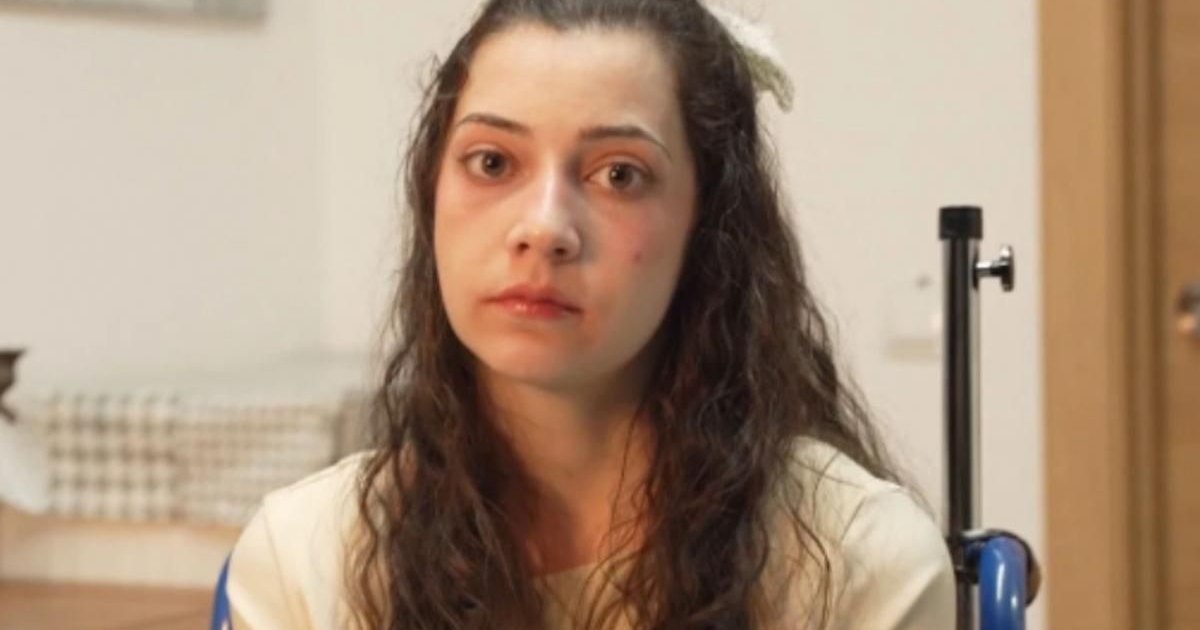
The story of Noelia, the 25-year-old young woman from Spain who decided to die by assisted euthanasia, has sparked a wave of contradictory reactions, shedding light on one of the most sensitive and controversial topics of contemporary society. Noelia chose to end her life in a controlled manner, in one of the few medical systems in the world that allows this type of intervention. Her choice, though deeply personal, raises questions both about the moral underpinnings of assisted euthanasia and about the support that society offers victims of traumatic events. Noelia suffered from irreversible paraplegia following a failed suicide attempt after being raped by four men.
Suffering beyond the visible
The topic of assisted euthanasia comes with two perspectives. On the one hand, the principle of personal autonomy and the idea that each individual has the right to decide on his own body and destiny. Especially in situations of extreme physical suffering, this choice can be perceived as a last act of control and dignity. On the other hand, there is the fear that accepting euthanasia may subtly change the way society values life.
Regardless of opinion, compassion should prevail.
“It is an absolutely heartbreaking case that touches the deepest chords of humanity. As a psychotherapist, I view Noelia’s story with a reverence for her pain and an understanding that sometimes suffering exceeds the coping resources of the human psyche. To look with empathy at such a decision, we must try to shift our gaze from the act itself to the quality of life and the subjectivity of suffering. Empathy means understanding that, for Noelia, death was not an easy relinquishment, but the only form of release from a ‘prison’ of chronic physical pain and unresolved psychological trauma.” says psychotherapist Dorina Stamate.
Moreover, he adds this:
“When one comes to see death as a ‘peaceful departure’, it means that life has become a continuous assault on one’s senses and soul. To have empathy is not to judge the choice through the prism of our own values about life, but to recognize the right of a man to say: <
Noelia’s situation, a failure of society?
Beyond the individual decision, Noelia’s case raises a collective issue. That of social responsibility.
Neglected by her parents since the age of 13, after their divorce, Noelia ended up in the care of the state. While under the supervision of a state center for vulnerable youth, she was gang-raped by three men. The severe trauma pushed her to attempt suicide. After jumping from the fifth floor, she was paralyzed from the waist down and suffered from severe chronic pain with no chance of improvement, according to medical records.
“We should stick with the lesson that trauma, when it is cumulative (abandonment, repeated sexual abuse, lack of family support), has devastating effects that cannot be cured by mere physical survival”draws Dorina Stamate’s attention.
The lesson Noelia leaves behind
Beyond the debate on euthanasia or assisted suicide, Noelia leaves behind a wake-up call for the whole world, says the psychotherapist:
“We are left with the image of a young woman who felt alone in front of her monsters. It’s a reminder that the present matters more than possessiveness. Her father wanted her alive, but she needed to be “seen” and supported in her suffering, not just kept biologically active. The lesson is one of humility: let’s learn to listen to the cry for help from those around us before it becomes a cry for goodbye”
How assisted euthanasia is seen in countries around the world
Assisted euthanasia is only legal in a few countries and usually under very strict conditions. The Netherlands is the first country to legalize it, in 2002. Also in the same year, Belgium took the same decision. Luxembourg, Spain or New Zealand are other states that have adopted clear legal frameworks that allow this intervention, but only under strictly regulated conditions, usually in the case of patients with serious and incurable diseases, in intense suffering.
In Canada, both euthanasia and assisted suicide are included in a program called “Medical Assistance in Dying”. And in Latin America there is a country that allows assisted euthanasia, Colombia.
In other countries, the debate is still active, but legislative initiatives face strong opposition.
There is also the third category, that of states that believe that the protection of life must remain an absolute principle.
In Romania, such a procedure is prohibited and criminalized by the criminal law.
