
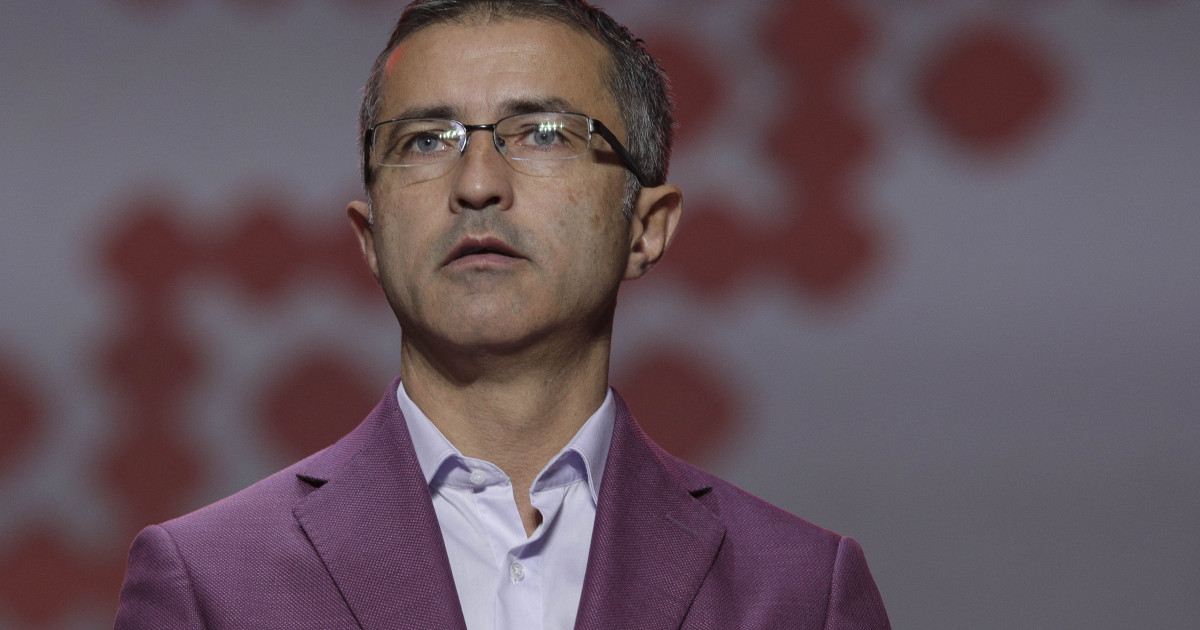
The administrative-territorial reorganization would reduce the operating expenses of the town halls and allow larger sums to be directed to roads, utilities and public services, claims Dragoș Benea, the PSD coordinator for this reform. The MEP presented on Friday, in a post on Facebook, the advantages that, in his opinion, the merging of the communes would bring.
“Reorganizing and merging the UATs into larger communes means concrete benefits for the many: they reduce the operating expenses of the town hall, so that more money remains in the commune for citizens, not for the payment of allowances to local elected officials,” Benea wrote.
In his opinion, a larger commune would have a sufficient budget not only for the operation of the administration, but also for investments in infrastructure and public services.
Read also: A mayor from Buzău warns of the effects of the merger of communes: “We are doing nothing but depopulating the Romanian village”
Roads to connect several communities
Benea stated that the reorganization would allow the construction of roads to serve several villages, as well as the expansion of water, sewage, natural gas and public lighting networks.
“Better roads are being built, which no longer end at the edge of a village, but effectively connect several communities together. Residents receive utilities commensurate with the fees and taxes paid: water supply and sewerage, natural gas, public lighting and conditions closer to those of a city,” he said.
The reform could also support the modernization of schools and kindergartens, which would serve a larger school population. Benea believes that a commune with more inhabitants and a modernized infrastructure could more easily attract family doctors and medical personnel.
“Citizens benefit from substantially better medical services, with family doctors and medical personnel easier to attract in a commune with a larger population served and with a modernized health infrastructure”, said the PSD coordinator.
According to him, larger budgets would also allow the development of social services for the elderly, including the construction of settlements dedicated to the elderly. The higher administrative capacity could contribute, in his view, to supplementing the number of local police officers.
What Benea says about depopulated localities
The MEP claimed that the union of municipalities could create new economic opportunities, including in areas affected by depopulation. The administration of larger agricultural areas could attract investors and support the development of local agriculture, according to him.
“There is more money for the future of the commune: even in depopulated areas, the merging of communes creates real opportunities for people to stay at home. It develops local agriculture by valuing larger areas and agricultural land for investors, helping citizens to make a living in their own community,” he added.
The administrative-territorial reform is still in the stage of developing the scenarios and criteria according to which the sustainable localities would be established. PSD proposed that the analysis take into account population and demography, economic sustainability, administrative capacity, connectivity, accessibility and local public services. A final form of reorganization has not yet been adopted.