
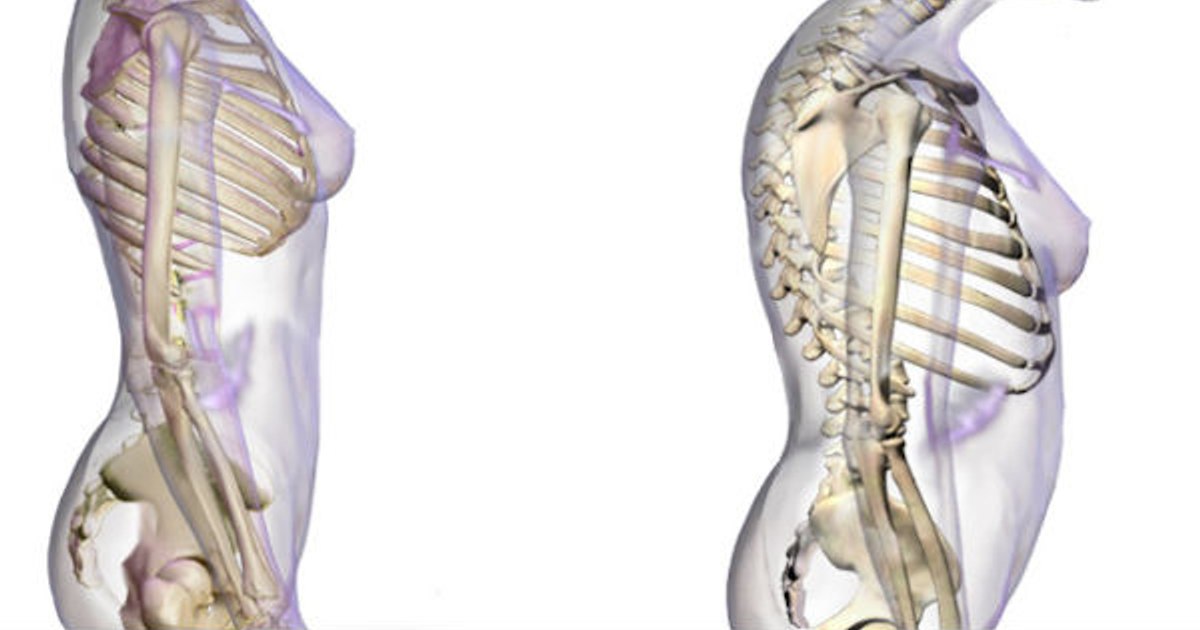
Osteoporosis is a progressive disease in which the bones lose their density and become fragile to the point of breaking, says Dr. Gabriel Ștefănescu, specialist in orthopedics and traumatology. 80% of patients affected by this disease are women, claims the doctor.
Osteoporosis, the disease in which bones lose their density SOURCE Facebook Dr. Gabriel Ștefănescu
According to doctor Gabriel Ștefănescu, the name of the disease means “porous bone” and causes a progressive weakening of the bones that leads to an increased risk of fracture. The condition usually appears over the age of 65, when the body is no longer as capable of replacing old bone cells with new ones. Unfortunately, the disease can also appear at younger ages, starting at 40-45 years. In the long term osteoporosis can mean vertebral, spine and hip fractures, suffering and loss of mobility.
The main risk factor when we talk about osteoporosis is the female sex.
“Remember! 80% of patients affected by this disease are women! The hormones estrogen and progesterone, characteristic of the female sex, have a protective, anti-osteoporotic role. But after menopause, when circulating hormone levels drop, bone loss is accelerated, eventually leading to the onset of osteoporosis.” explains Dr. Gabriel Ștefănescu
However, hormones are not the only factor influencing bone development, warns the doctor.
“Other risk factors include: older age, meaning people over 65 are at greater risk of osteoporosis; low body weight; unhealthy lifestyle and here I mean lack of physical activity, obesity, smoking and of course alcohol consumption; an inadequate intake of calcium or vitamin D”, states Dr. Ștefănescu.
Why is it more common in women than in men?
“The amount of minerals absorbed by the bones is controlled by the sex hormones, estrogen in women and testosterone in men. In women, during and after menopause, estrogen levels drop sharply! In comparison, men of the same age do not go through the same process, which is why osteoporosis is more common in women than in men.”explains the specialist doctor.
If you have osteoporosis, your doctor recommends that you constantly monitor yourself to know the status of the disease's progression. On the other hand, it is good to introduce into the diet foods that contain substances that help strengthen bones.
“Here are some examples:
– Horsetail – for its rich content in silicon, calcium and magnesium salts;
– Organic silicon – as a support for bones and connective tissue;
– Calcium from green vegetables, whole grains, algae, dairy products;
– Vitamin C and D from natural sources;
-Vitamin K from natural sources: parsley, spinach, lettuce, broccoli, wheat germ, olive oil, green tea;
– Zinc from natural sources – cereals, dried beans, nuts, oysters, liver, pumpkin seeds;
– Copper from natural sources – seafood, nuts, cereals, mushrooms;
– Manganese from natural sources – almonds, pineapple, spinach, sweet potatoes, wholemeal bread”, writes Dr. Ștefănescu, on his Facebook page.
Gabriel Ştefănescu is a doctor specializing in orthopedics and traumatology. He has skills in arthroscopic surgery, orthopedic and trauma surgery and a rich experience in clinics in Austria and Germany.
