
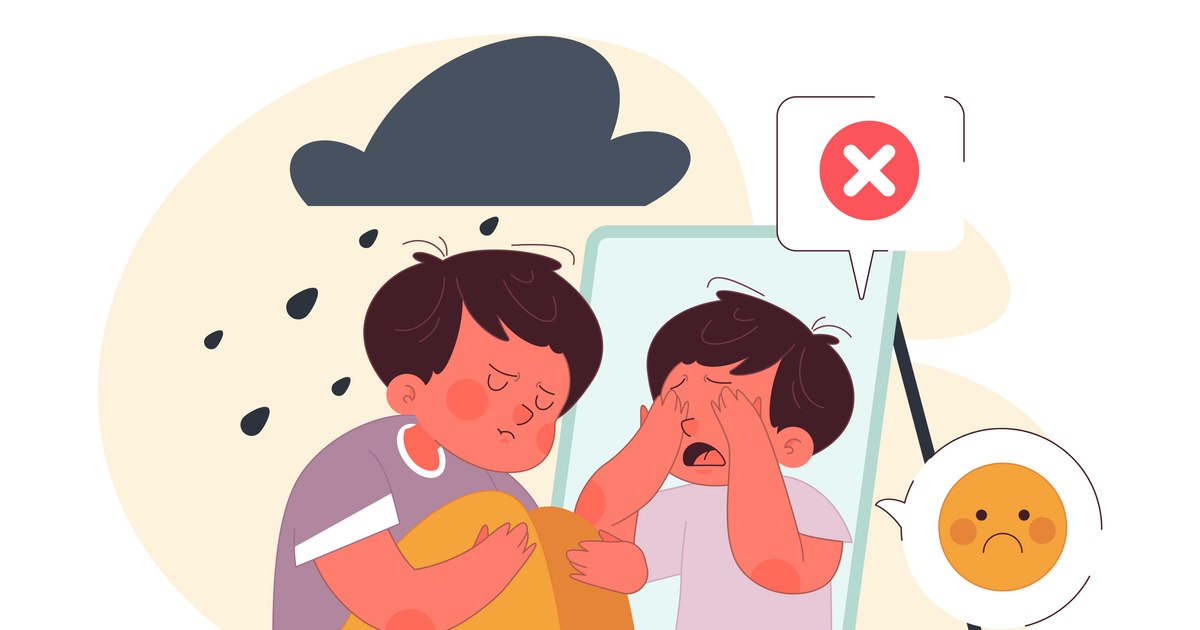
The implications of sharenting (the early publication of pictures or information of children on the Internet by parents) done incorrectly can extend over long periods of time and change the inner structure of the child, especially in terms of identity.
Children can create a distorted self-image based on information published by their parents
“Weekend Adevărul” discussed with the psychotherapist Andreea Simona Diaconescu about the effects of sharenting on children from an emotional and psychological point of view, but also about how parents should involve them in making decisions when posting information about them online.
“Weekend Avevarul”: How does the sharing phenomenon affect the psychological development of children?
Andreea Diaconescu: Posting pictures of children when they are young and then older has a huge impact on understanding their personal privacy, understanding social interactions and especially identity. Children can see those photos as they grow up and they can develop a negative image because they were shared, they can develop feelings of embarrassment, shame. They don’t feel comfortable that part of their privacy has been shared on social media and could be seen by other people. Also, at older ages and depending on the content that is posted, some children may feel a lot of pressure to maintain the image created in the online environment. That is, if we post a lot of successful situations with our child, the child may feel pressure to rise to that level and have positive, good results all the time.
In other words, it would be difficult, if not impossible, for them to handle failure as well…
Yes, it would be quite difficult for them to accept and manage failure by identifying with this image created online.
Low self-esteem
And emotionally, how would this early, and in some cases, even exaggerated exposure affect him?
Emotionally, I think they may experience low self-esteem, difficulty developing their identity, because they don’t have the space to explore it. In this case, they will either withdraw if the images make them feel embarrassed or ashamed, or they will identify with that person posted online. There may also be situations in which children may develop anxiety states related to this exposure: what others will say, how their social image will be affected.
How do you think that early digital imprint or identity affects their social life, including in the childhood ages, but maybe even later in adolescence, which is a rather complicated stage of development anyway?
This early digital fingerprint or identity will accompany them throughout their lives, especially if the exposure is constant, and will have implications for their social relationships, emotional states and identity formation. Thus, it will be quite difficult for the child to express his true identity and he will always seek to please others, to conform to their opinions, thus losing the opportunity to express his own opinions and his own authentic self. Also, there can be implications including in personal and professional life. If this exposure is constant and long-term, these children may later meet people who already have a formed image of them. So the risk of being the subject of prejudice increases.
Is there a certain age or stage of development where sharing becomes somehow more problematic for the child?
I think during adolescence and maybe even earlier, in preadolescence. In preadolescence it could become more problematic, because the child becomes aware of what is happening and the impact of this sharing on his life. There could be the feeling of rebellion against this sharing compartment of the parents or, on the contrary, the need to copy this behavior, to go to the area where they start to post a lot, to expose themselves a lot in the online environment ok.
Constant communication
We know that sometimes, even with photos of children, negative comments or cyberbullying can occur. What effect does this whole phenomenon have on them, regardless of age?
An effect of cyberbullying is to constantly go online and monitor the activity, to develop states of fear related to the perception others make of him, his personal image, how he is seen in the social environment . It is important to take care of the cyberbullying part, but also of the effects that this exposure has in everyday life in the child’s environment. As parents, we need to talk to him and see what is going on in his life, find out if certain children are laughing at him or if he has been the victim of bullying in his social environment. I also think it’s important that we parents do something about cyberbullying and even teach kids that there are actions: we can block the person, we can report.
At what age would it be appropriate to involve children in the decision to post?
I think at any age they should be more careful. It is very important to talk to children and ask for their consent in terms of material, content that involves them as well. In small children, we can still see some signs: maybe they don’t want to take pictures, maybe they hide, and then we have to respect this, even if the child can’t tell us directly that he doesn’t feel comfortable being photographed or posted. And in the case of older children, I think it’s very important to discuss and ask for their consent, because by doing this, we will first of all teach them the value of privacy and the importance of imposing personal boundaries.
And consent…
Indeed. I think it would be advisable for parents to start talking constantly with children from a young age, but I think that a very clear agreement from the child should be received around the age of 8-10. But until then I think it’s important for the parent to be careful about what they post, to think about whether or not this thing will have a negative impact on the child over a period of time, maybe even wonder what it would be like for them if they be a child and in a few years they would see that picture of them online. I think that children’s achievements or the fact that we are proud of them, no matter what they are, is something that we should say beyond the online environment and what we choose to post or not. What’s more, I would add here about posting in important moments and I would draw a little attention to the fact that we may often avoid connecting with that moment or with the child, being very concerned with this tendency to take pictures , to share with others, to post.
So somehow not to rob them of the moment or alter their memory of that moment.
Yes, because they will practically no longer be connected to what is happening at that moment and we will remain with that image, having the effect of diminishing the intensity and importance of the emotional dimension of the present moment. So that emotional flow is interrupted that takes you out of the moment, somehow takes you to another environment, the online one.
But on the other hand, how should children approach this problem? Maybe some are ashamed to tell their parents that they don’t want to post pictures of them.
Children approach them in their own way often, even if not very directly. As I said, young children who don’t want to have their pictures taken try to run away when they see their pictures being taken. Teenagers can be much more reactive to the idea of being photographed and posted and even come into conflict with their parents. And I think that in order to manage this relationship well and the child’s ability to set limits, it is important that we, the parents, learn to talk openly with them more often, set clear limits, listen to what they have to say, take into account of their limits. This will also be much easier for children if they are taught a direct relationship with the parent and if over time an environment is formed in which they know they can express what they feel and live and these things are accepted. We can help them set these limits in external environments, at school or in the various activities they do, so if they are photographed they can support their point of view related to this aspect or come much more easily to talk about a situation with which he did not agree, and the parent can intervene.
