
Alcohol lowers blood sugar, alcoholic beverages can affect blood sugar levels differently depending on their carbohydrate content. Dr. Adrian Copcea, primary physician Diabetes, Nutrition and Metabolic Diseases explains the risks for people with diabetes who consume alcohol.
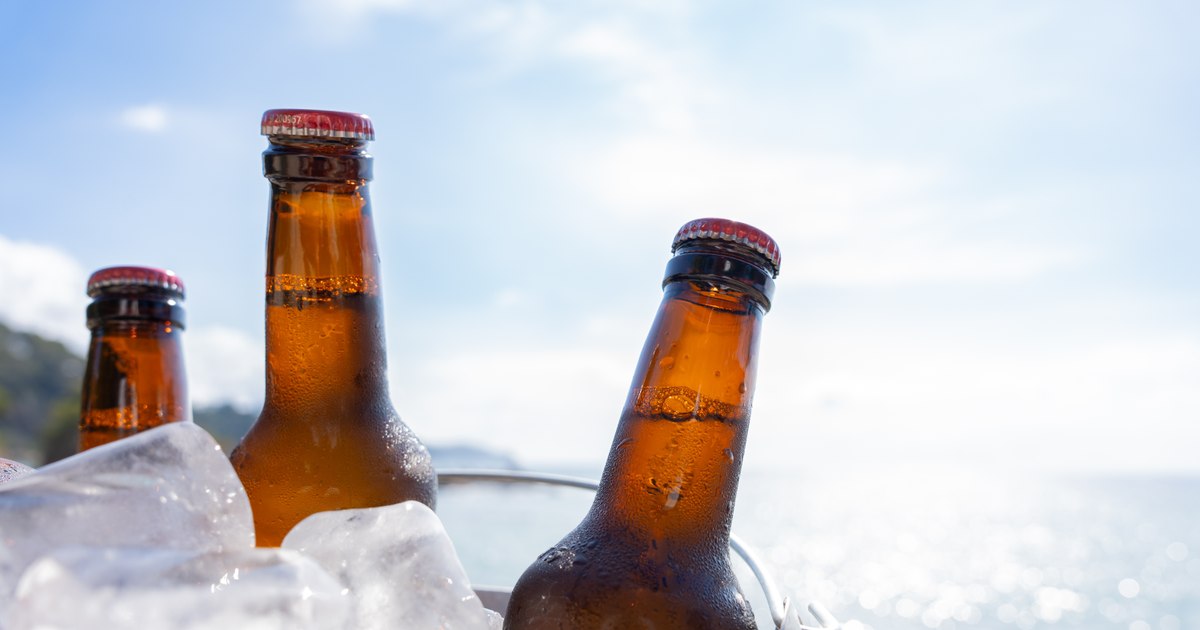
Alcohol – danger of hypoglycemia for diabetics – Photo Shutterstock
Dr. Adrian Copcea, Diabetes, Nutrition and Metabolic Disease primary physician claims that, in the case of diabetics, alcohol consumption can lower blood sugar.
“In the simplest way to explain, alcohol lowers blood sugar. What remains to be judged is alcoholic beverages, which means alcohol + something else. That something can be represented by carbohydrates, like that as is the case with beer. Or they may not be carbohydrates, as in the case of spirits, for example brandy.”, says the doctor.
Dr. Copcea emphasizes that, in the case of people with diabetes, alcohol consumption increases the risk of hypoglycemia, especially if it is not associated with carbohydrates.
“The overall effect is determined by how much alcohol lowers blood sugar and how much the other components of the drink raise blood sugar. In general, the resulting effect is rather negative or neutral with blood sugar, that’s why most warnings related to alcohol consumption in diabetes – regarding blood sugar – are on the line of HYPOGLYCEMIA. For this reason, it is recommended that when alcohol is consumed, it is not with food in general, but with carbohydrates. As beer already has carbohydrates in its content, there are no great precautions with beer compared to other drinks.“, continues the doctor specializing in diabetes, nutrition and metabolic diseases.
More complicated for those with type 1 diabetes
For those with type 1 diabetes, alcohol-induced hypoglycemia is an even more complicated situation because glucagon does not work in this case. Alcohol inhibits the release of glucose from the liver, and excessive consumption can deplete glycogen stores, making it difficult to correct low blood sugar.
More precisely, glucagon is a hormone produced by the pancreas, whose role is to raise the level of glucose in the blood when it falls too low, thus having the opposite effect of insulin, which lowers blood sugar. The function of glucagon is essential for maintaining blood glucose balance in the body. When those who suffer from type 1 diabetes, this hormone no longer fulfills its purpose.
“In type 1 diabetes, there is another peculiarity of alcohol-induced hypoglycemia. Glucagon does not work to correct this type of hypoglycemia, only glucose can fix it. Alcohol inhibits the breakdown of glycogen into glucose, i.e. exactly the natural process by which the liver sends glucose into the body, in addition, with heavy alcohol consumption, the glycogen store is often exhausted, so overall glucagon as a rescue solution in hypoglycemia does not work for two reasons: one is that the liver is overworked anyway with alcohol metabolism, the second is that the glucagon is very likely to go empty, not to have the glycogen in the liver to break down to bring the blood sugar level back to normal.”, completed the doctor Adrian Copcea.
For this reason, Dr. Copcea recommends drinking alcohol alongside carbohydrates and warns that diabetes medications that pose a risk of hypoglycemia should be administered carefully when alcohol is consumed.
“I don’t go into the topic of recommending/not recommending alcohol in general, it’s a more complex topic, but strictly on the effects on blood sugar, it’s very useful to know that alcohol is a hypoglycemic and that alcoholic drinks must be considered as a whole, i.e. alcohol + sugars or others carbohydrates, if present. And that it is extremely important that when there are medications with a risk of hypoglycemia and someone consumes alcohol, the consumption must be accompanied by carbohydrates.”, the doctor concluded.
