
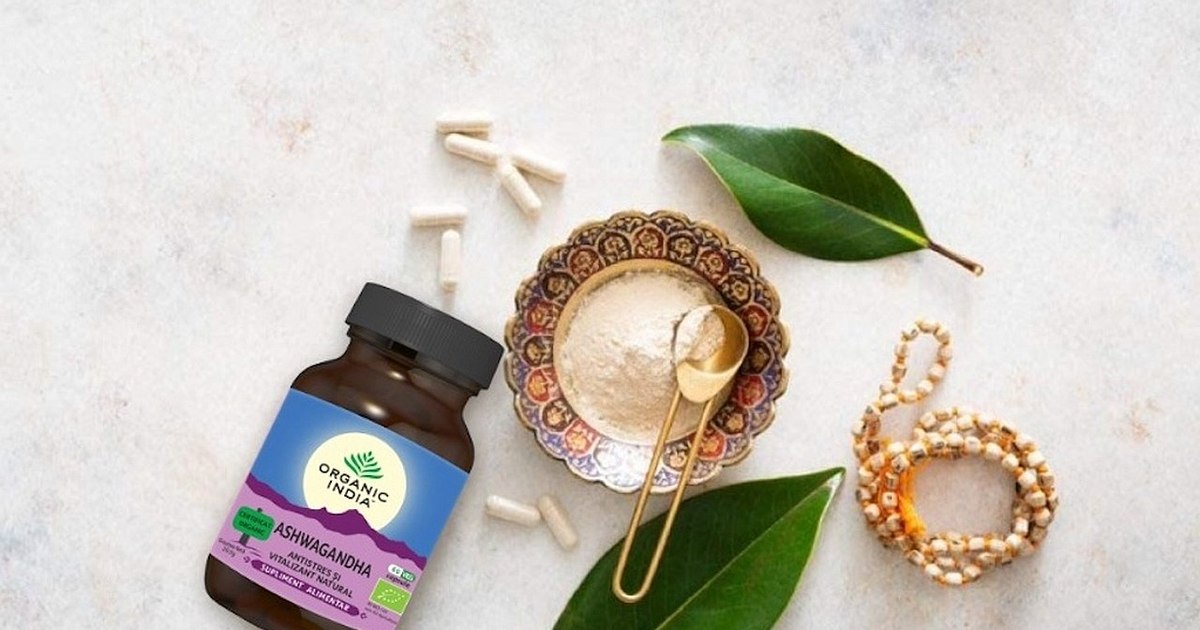
Ashwagandha is said to increase energy levels, improve general health, reduce inflammation, pain and anxiety. If you are a tense and stressed person, maybe someone has already told you about the wonders that Ashwagandha does.
You’ve probably been told that this plant can do just about anything, including make you dinner and put your kids to sleep. But if you’re on the fence about herbal supplements, you probably didn’t want to learn more about Ashwagandha. But it’s okay.
We will do the fieldwork for you.
With the help of Dr. Yufang Lin, a specialist in integrative medicine, we will cover the basics and some of the proven medical benefits of Ashwagandha.
What is Ashwagandha?
Ashwagandha (Withania somnifera), also known as “Indian winter cherry” or “Indian ginseng” is an evergreen shrub found in India, Africa and some areas of the Middle East.
What is Ashwagandha good for?
“Ashwagandha has long been used in Ayurvedic medicine to increase energy levels, improve overall health, and reduce inflammation, pain, and anxiety,” says Dr. Lin.
The doctor adds that Ayurvedic medicine represents the traditional medical system of India. It is a healing tradition that uses nutrition, exercise, mindfulness practices and herbs to support balance between body, spirit and environment. Ashwagandha appears to be a good choice for those who prefer natural alternatives for various reasons.
Modern life is full of factors that trigger stress, and this contributes to the appearance of physical or mental illnesses. During stressful times, cortisol levels in the body increase, which makes your heart beat harder and faster. You breathe faster and your body produces more glucose for a quick burst of energy.
Your mind becomes very focused on any threat and your body goes into fight or flight mode. When the stressful event is over, the body’s cortisol levels return to normal, and the stress-related symptoms disappear.
“Unfortunately, when the danger is chronic—whether we’re talking about financial or workplace stress—the stress response also becomes chronic,” says Dr. Lin. “Over time, long-term stress can contribute to persistent inflammation and increase the risk of chronic conditions such as obesity, diabetes, hypertension, heart disease, stroke, cancer, osteoporosis and fibromyalgia.”
About Ashwagandha and its benefits
So what does Ashwagandha do? Research shows that it helps in several ways:
- It normalizes the level of cortisol, which reduces the stress response
- Reduces inflammation
- It reduces the risk of cancer
- Improves memory
- It improves immune function and has anti-aging properties
- Reduces stress and anxiety
“People who are stressed or anxious or those with chronic conditions can use Ashwagandha to help with their conditions,” says Dr. Lin.
What amount should you take?
Ashwagandha comes in different forms. It is an herb available in the form of jellies, capsules, syrup, tea or powder that can be mixed into various drinks.
But how much Ashwagandha can you consume in a day?
Regardless of the form you take Ashwagandha, Dr. Lin says the recommended dose is usually 500 mg twice a day.
Side effects of Ashwagandha
Although the side effects of Ashwagandha are minimal, some people may experience:
- Gastrointestinal disorders
- Diarrhea
- Vomiting or nausea
“Most people can take this supplement, but it’s always best to talk to your doctor first,” advises Dr. Lin.
People with any kind of thyroid-related health problem are advised by Dr. Lin to ask their doctor if they can take Ashwagandha.
“Ashwagandha can increase thyroid function by increasing the exchange of the less potent thyroid hormone, T4, with the more active form of thyroid hormone, T3,” Dr. Lin says. “Therefore, in some people, Ashwagandha can improve the way the thyroid works. On the other hand, if a person’s thyroid is overactive anyway, Ashwagandha can lead to hyperthyroidism.”
Other situations that require caution when it comes to consuming Ashwagandha include pregnancy, breastfeeding, and autoimmune disease. In these cases, Dr. Lin recommends talking to your doctor before taking Ashwagandha. Especially in the case of pregnant women, Ashwagandha can lead to complications.
In general, Ashwagandha can be part of a wellness plan – but we must remember that it is not a panacea.
“We can’t say that Ashwagandha will make the stress go away for sure, but it can help reduce the symptoms so that the affected person feels better,” says Dr. Lin. “But if you create the necessary tools to help you reduce stress in the future, they will help you more in the long run.”
If you decide to include Ashwagandha in your health diet, discover its authentic, whole, 100% certified organic formula on ORGANIC INDIA.
