
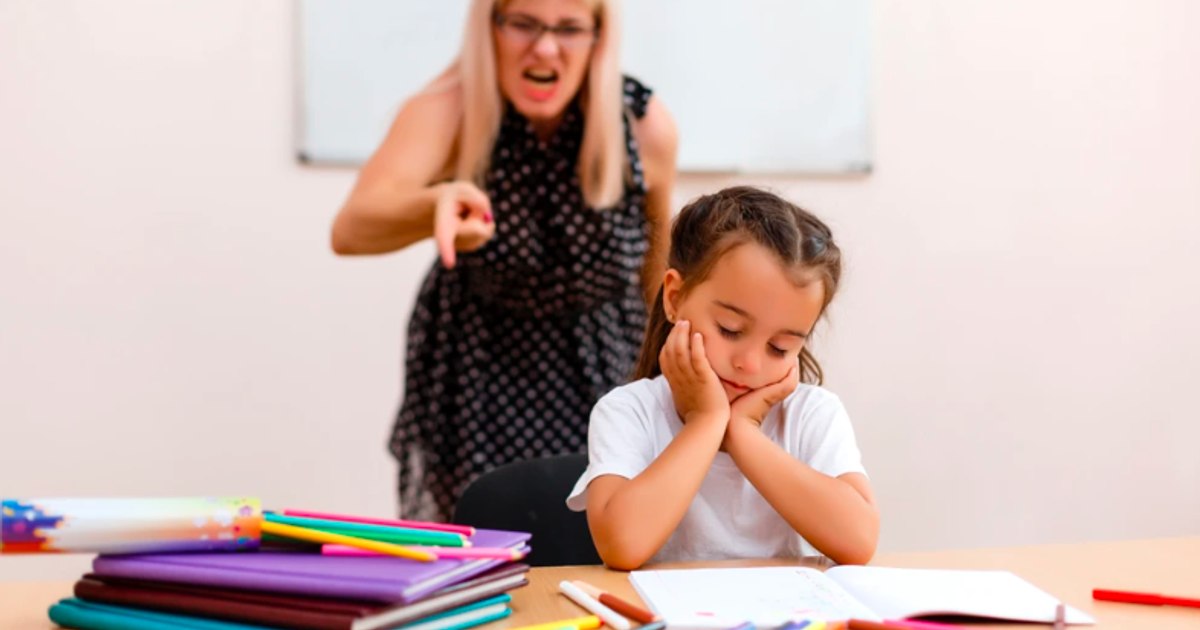
Experts from Harvard University come up with a series of tips that parents should take into account, especially if they have a child with poor academic results. Because low grades, repeated failures, even absenteeism could hide in various emotional problems that the child is facing.
Students are also under a lot of pressure at home and at school. Photo source: archive
In many cases, experts say, poor academic results, disinterest in school, low grades, absenteeism are generated by certain emotional problems that the student may be facing. Therefore, it is very important not to label the child as careless or lazy, but to discover the real causes that triggered this behavior of his. It can be emotional, motivational factors, self-confidence issues or difficulty managing stress. Sometimes it can be a learning method that is not suitable for the child’s style or even health problems such as difficulty concentrating or learning disorders. Therefore, before taking action, parents should spend more time with their children, talk with them about school and how they feel in that environment.
Then, let’s not forget that the homework of the princes must be continued by the teachers in the classroom. Otherwise it is almost useless. Teachers should also be involved in this process. Because they spend good hours with the child every day, teachers can intuit many times better than parents what are, in fact, the real reasons for the aversion to school.
Excessive pressure leads to poor performance
What parents need to know is that putting too much pressure on school performance can do more harm than good. Children who feel that their failure is disappointing will be more prone to anxiety and stress, which can exacerbate school difficulties. Harvard experts emphasize that parents must create an environment of trust and emotional support. They should focus on the effort put in by the student, not necessarily the grades he comes home with. Because a score of 10, a first prize with a crown does not necessarily ensure success in life. Often grades don’t really reflect what your child knows or doesn’t know. Therefore, students should be encouraged not only for their grades but also for their effort. They should be encouraged to focus on progress, not competition with others.
Parents must be supportive of their children in the learning process, and not critical. If the child is judged harshly for poor performance, he will become less open in expressing his emotions and problems. Instead, show him that you are there to support him and help him find solutions. And never compare him with others.
Harvard specialists point out that routine is extremely important in the learning process. A fixed schedule for homework and study helps the child develop healthy habits and organize his time better. But, experts warn, the parent must ensure that there is a balance between the time dedicated to learning and the time for relaxation or recreational activities.
The child must learn from mistakes
Harvard experts emphasize the importance of the ability to learn from one’s mistakes and overcome failures. Parents should explain to children that everyone makes mistakes and that it is normal not to always succeed the first time.
Sometimes problems at school can be more complex and require specialist help. Harvard experts recommend working closely with your child’s teachers and, if necessary, seeking support from school counselors or other specialists. And if the results are still poor, the child should receive specialized help. Learning problems such as dyslexia or ADHD require specific intervention strategies.
