
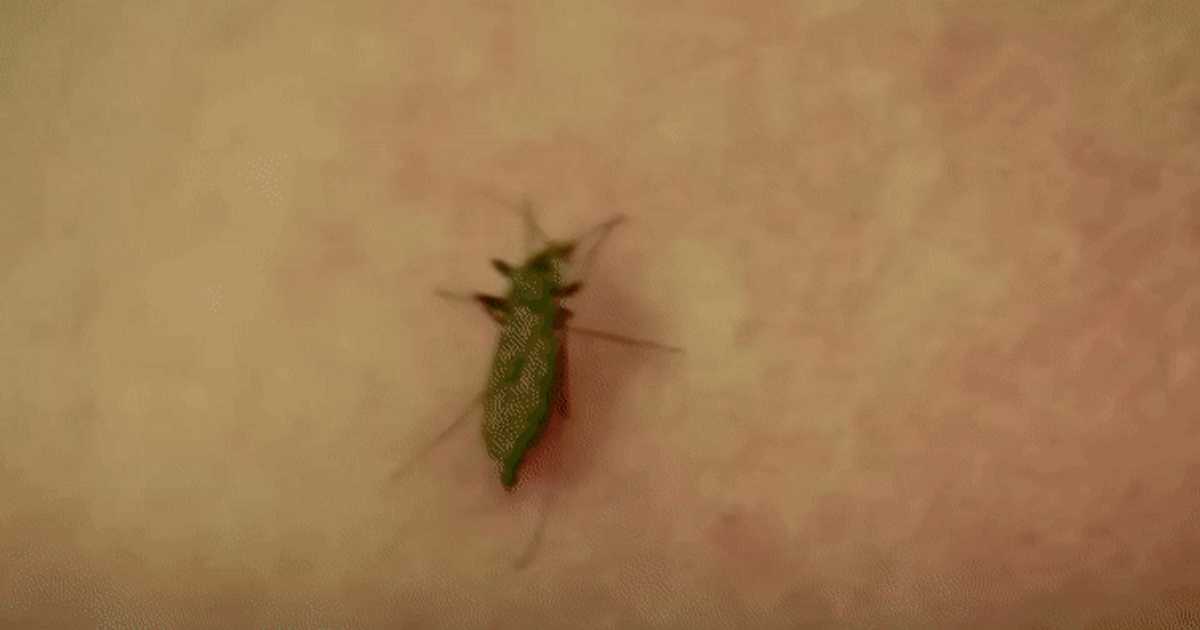
An invasive species of mosquito, known as the tiger mosquito, has already colonized 13 countries in the European Union, including our country. It is the mosquito that transmits pathogens, such as Dengue and West Nile virus.
In which counties is the tiger mosquito present – Photo Archive
The Asian tiger mosquito, said to be the world's most invasive mosquito species, has already colonized 13 EU countries, including Romania, France, Spain, Greece and Romania, according to the BBC.
It has also been reported in Belgium, Cyprus, the Czech Republic, the Netherlands and Slovakia. The migration of this species to Europe is facilitated by favorable climatic conditions and the increase in international travel.
The European Center for Disease Prevention and Control (ECDC) reported that climate change is creating favorable conditions for the spread of the tiger mosquito.
According to an ECDC map, mosquitoes are present in the counties of Constanța, Giurgiu, Bucharest and Ilfov, Prahova, Mehedinți, Sibiu and Bihor. In fact, this species is present in most of the countries preferred by Romanians for travelers, including Bulgaria, Greece and Italy.
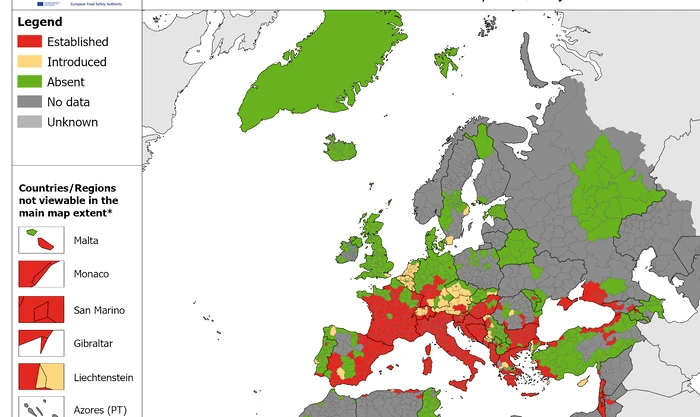
Where is the tiger mosquito present – Photo ECDC
How dangerous is the tiger mosquito
Easily recognizable by its black and white stripes, the mosquito can spread diseases such as dengue fever, chikungunya, West Nile and Zika virus that were previously only present in limited areas of Africa, Asia and South America.
In addition, the aedes aegypti mosquito, which transmits yellow fever and other diseases, has established itself in Cyprus. Experts are concerned about its potential to spread to other parts of Europe, given its tendency to bite people and transmit various ailments.
Should we worry about contracting diseases that were previously considered exotic? “It is not an immediate danger”, answered Dr. Emilian Popovici, vice-president of the Romanian Society of Epidemiology, for “the truth”.
“The main reservoir of infection for the flavivirus that causes Dengue is humans. The virus was also detected in animals in the following order: bats (10.1%), monkeys (27.3%), birds (11%), cattle (4.1%), dogs (1.6%), horses (5.1%), pigs (34.1 %), rodents (3.5%), marsupials (13%) other small animals (7.3%). As can be seen theoretically, animal transmission is also possible, but the main reservoir of infection is man! So the presence of the tiger mosquito is an alarm signal, but in the absence of man as a reservoir of infection or other sources, it is not an immediate danger for this infection! This does NOT mean that sanitation measures and all other measures to limit the spread of tiger mosquitoes or other species should not be taken, because the mosquito becomes infectious within 8-12 days after consuming infected blood and remains infectious for the rest of its life. A single mosquito bite is enough to transmit Dengue“, explained the epidemiologist.
Symptoms of Dengue fever
Dengue begins with flu-like symptoms, but it can get worse and become potentially fatal. Also called “broken bone fever,” dengue has three phases: febrile, critical, and convalescent. The febrile phase lasts up to seven days, with high fever, general discomfort, rash and headache. The critical phase, between the third and seventh day, may include vomiting, edema, intense abdominal pain, irritability and bleeding, requiring urgent medical consultation. The recovery phase begins between the seventh and tenth day, when severe symptoms subside and the patient gradually returns to normal.
ECDC director Andrea Ammon warned “Europe is already seeing how climate change is creating more favorable conditions for invasive mosquitoes to spread into previously unaffected areas and infect more people with diseases such as dengue“.
The tiger mosquito can be identified by its distinctive black and white stripes on the body and legs, as well as a white line on the back that runs from the head to the midsection. The bite of this mosquito can cause from mild irritation to intense inflammation, depending on the sensitivity of each person's skin.
Prevention and control of tiger mosquitoes
ECDC reported a case of West Nile infection in southern Spain in March, highlighting the increased risk associated with favorable weather conditions since the beginning of the year.
Andrea Ammon recommends that people take “personal protection measures“.
“Early detection of cases, timely surveillance, follow-up research and awareness-raising activities are essential in those areas of Europe most at risk“, added the ECDC director.
It is recommended to remove standing water from gardens and balconies, use repellents and install mosquito nets for windows and doors. In the absence of a vaccine or specific treatment for dengue, eliminating mosquito breeding sites is the most important preventive measure.
To prevent mosquito bites and the transmission of associated diseases, it is recommended to avoid exposure between sunset and dawn, when mosquitoes are most active. Use long-sleeved clothes, long pants and socks to cover as much skin as possible. Apply repellent sprays containing DEET (N,N-diethyl-3-methylbenzamide) to exposed body parts. Close windows and doors or install mosquito nets to prevent them from entering your home. Use permethrin-impregnated strips in areas where you cannot avoid entering the bedroom and apply insecticides inside the home. Eliminate sources of standing water around the home to reduce mosquito breeding sites, such as rainwater containers, planters and other objects that can collect water, recommends the National Institute of Public Health.
According to the World Health Organization (WHO), dengue fever is endemic in more than 100 countries, with more than six million cases and 7,000 deaths reported last year. The most affected countries include Bangladesh, Malaysia, Thailand and Vietnam. Malaria is the deadliest mosquito-borne disease globally. It is transmitted to humans by the bite of infected female mosquitoes, called anopheles, which have also been identified in Europe.
