
The Arada nutritionist Luminița Catană speaks for “Adevărul” about high blood pressure (HT), one of the most well-known cardiovascular diseases.
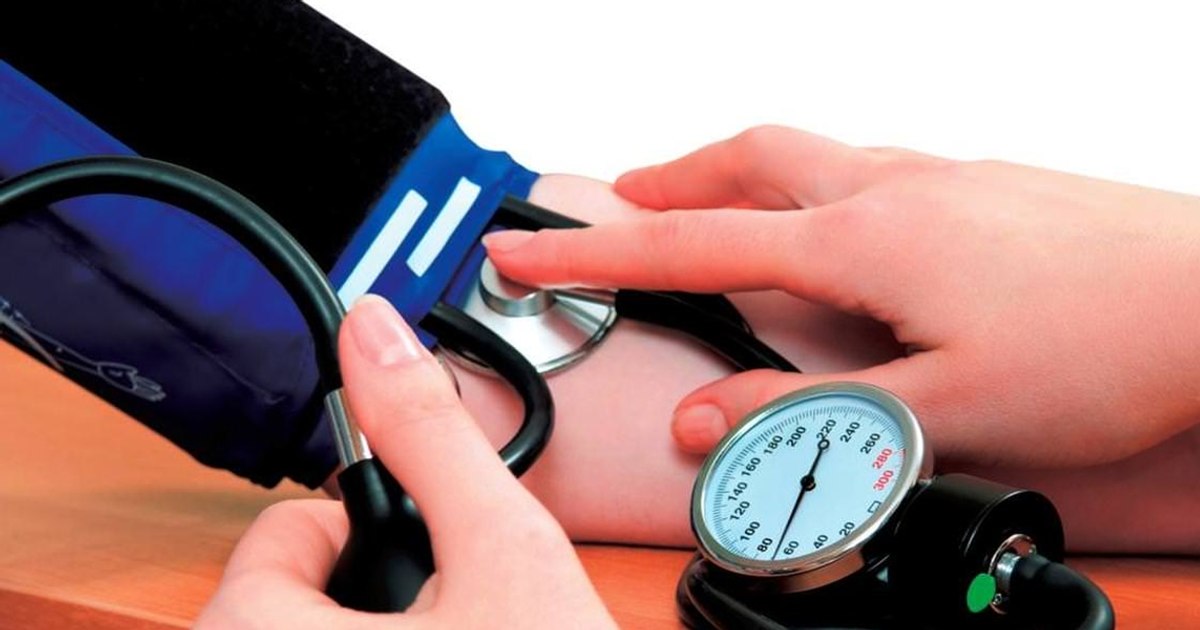
What are the normal parameters PHOTO https://raportuldegarda.ro
The condition is determined by increased arterial blood pressure over a longer period. Over time, high blood pressure affects and damages blood vessels and increases the risk of severe cardiovascular diseases, myocardial infarction, stroke.
HTN is considered starting at 140/90 mmHg, but clearly this value depends on a person's age and weight.
Luminita Catană says that the activity of the heart is permanent from the moment we are born until the final moment. It means life, and when the heart ceases to function, life also ceases.
The vascular system ensures the transport of blood from the heart throughout the body and its return to the heart. Blood circulation has a certain speed and pressure that it exerts on the blood vessels, and this is called Blood Pressure.
The walls of the blood vessels have a muscular layer that ensures the contraction and expansion of the vessel in order to maintain an adequate blood pressure. Over time, blood vessels age, lose their elasticity, become more rigid, thus the pressure in the vessels increases. Depending on other factors – the content of minerals, especially sodium, the content of albumin in the serum, the volume of blood in the vascular bed, the pressure becomes high and when it remains this way for a long time, it affects the entire cardiovascular system and thus HTN occurs.
There are several forms of HTN namely:
essential HTAE– high blood pressure, without an identified cause.
Secondary hypertension – appears as a result of affecting another organ or system – and can be due to renal, endocrine-thyroid, neurogenic, cardiovascular causes.
Refractory HTN – it is defined as persistent HTN – when it does not subside following the application of known therapeutic and prophylactic methods,
Malignant hypertension– represent pressure spikes with extremely high values - over 180 / 200 mmHg – capable of severely destabilizing the hemodynamic balance of the body.
“Of course, there are known causes and risk factors regarding high blood pressure – HTN. Among these we list: age – men 55, women 65; smoking; dyslipidemia – a cholesterol level higher than 200 mg/dl and triglycerides higher than 150; blood sugar between 105-125 – pre-diabetes and over 125 – diabetes- with alternating insulin resistance, ; obesity – especially abdominal obesity with a waistline over 102 cm in men and 88 in women; stress; sedentary lifestyle, inadequate diet and lack of proper hydration”, says Luminița Catănă.
Normal blood pressure values are:
Up to 130/80 – optimal
Slightly raised 130-140/ 80-90
HTA grade 1 – 140-150/ 90-100
HTA grade 2 – 160/ 100-110
HTA grade 3 – values above 180/110 mmHg.
Hypertension in pregnancy
Nutritionist Luminița Catană tells us that this type of hypertension appears especially after 20 weeks and is called gestational hypertension: eclampsia. HTA in children is over 130/80.
Symptoms of high blood pressure are: occipital headache; dyspnea- breathing difficulties; retrosternal chest pain; adynamia; vertigo; numbness; nausea, vision changes; epistaxis. All these manifestations are non-specific and you must go to the doctor for a correct diagnosis.
Among the remedies, the nutritionist mentions:
– walking – physical activity helps the heart to use oxygen more efficiently, and the pumping function is much easier. Light, cardio exercises are also recommended,
– deep breathing – contributes to the decrease of stress hormones,
– food rich in potassium – tomatoes, bananas, oranges, potatoes, beans, peas, prunes, raisins,
– reducing salt consumption,
– dark chocolate- contains flavonols- chemical compounds that contribute to the elasticity of blood vessels- about 15 grams per day is recommended,
– Coenzyme Q 10 – heart vitamin,
– drinking tea – especially hibiscus, hawthorn, blackcurrant, lavender tea, teas that generally calm,
– relaxation and of course restful and sufficient sleep.
