
Patients with chronic diseases were no longer exempted from non-payment of the first day of sick leave, as they had expected after the discussion with the Minister of Health. Alexandru Rogobete says that such a measure is being worked on, by changing the disease codes. Until then, regardless of the condition, all those who take medical care will suffer financially. “We have reached the situation where we want to eliminate fictitious leaves, but in fact we are affecting those who do not take fictitious leaves”says Radu Gănescu, president of the Coalition of Patient Organizations with Chronic Diseases (COPAC). The patient associations also launched a petition and, together with the Cartel Alfa trade union, also addressed the Ombudsman.
Patients feel wronged
“We expected that from February 1st there would be some changes to this ordinance, namely that certain categories who go to the doctor because they have to show up for treatment, monitoring or investigations would somehow be exempted, because they are not people who take fictitious medical leaves, they are sick people who really need support and help. It didn’t happen. It’s disappointing that this change has come in and it’s taxing more people who are employed, pay their taxes and when they need support they can’t seem to get it.”says Radu Gănescu, president of COPAC.
“In the end, patients go to the hospital monthly or once every two, three months because that’s the protocol, they have to come, be followed up, be given the treatment, it’s not a pleasure, it’s not a desire of the medical patient to take medical leave, it’s a need. We have to somehow find solutions in the next period”he continues.
The patient representative also lists two big disappointments that appeared with the ordinance that stipulates that the first day of sick leave will no longer be paid:
“It is disappointing that this situation arose during New Year’s Eve, when the ordinance was issued. There was no discussion beforehand, so that we could clear things up beforehand. And the second thing – which is just as disappointing – is that we’ve got to the point where we want to eliminate dummy leave, but we’re actually affecting those who don’t take dummy leave. The patient goes to the hospital during the week because that’s when the doctor is at the health unit”.
The Minister of Health says that the disease codes will be changed
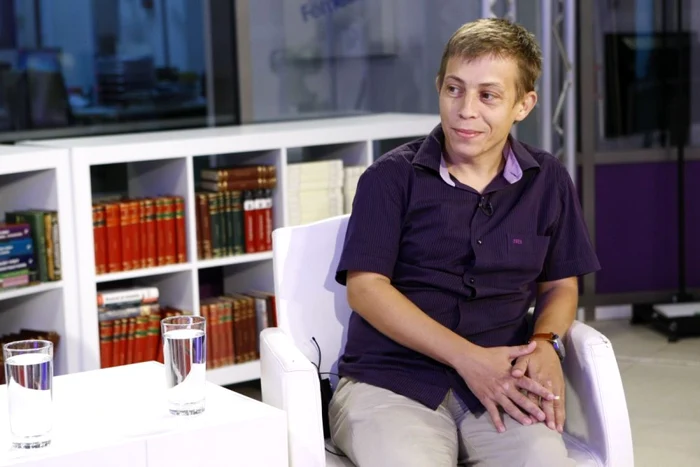
Alexandru Rogobete, the Minister of Health, said that work is underway to rethink the disease codes, so that chronic patients can be exempted from the new measure.
“For example, code 01 means common disease, but imagine that in this common disease code 01, rare diseases also appear, which in fact are not common diseases. And then we agreed together with the team from the Ministry of Health, but also with the suggestions from the patient associations, to rethink and reclassify the disease codes. It’s not going to be a very long job because we’re talking about 14 or 16 disease codes here. With the rethinking and restoration of the disease codes, for the new disease codes and the classification of pathologies, exceptions will certainly be made. And an idea that I came up with and the patient associations agreed to, would be that for repetitive medical leaves, for the same disease code, I’ll give you an example, for an oncology patient who needs radiotherapy, it’s obvious that every few days or weeks he still needs that medical leave, for radiotherapy, there’s no doubt about that. It’s just an example, sure it can be applied to several other pathologies and, on this principle, the application rules will be built. They are to some extent already built, we will put them in decision-making transparency this week, in order to reduce as much as possible of inequities”, said Alexandru Rogobete.
Patient associations are now hoping the change will be made more quickly.
“I understood that it would be ready in 30 days, that is, in February they would be worked on, they would be made transparent and they would probably come into force from March 1. Our hope is that it will be as soon as possible! But it depends on how the authorities work”says Radu Gănescu.
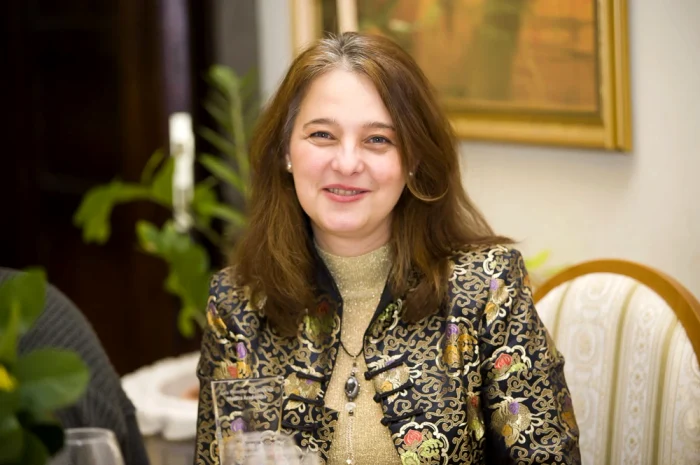
Rozalina Lăpădatu, president of the Association of Patients with Autoimmune Diseases (APAA) adds:
“We are waiting to see the material that will be posted in decisional transparency to ensure that ALL chronic patients are protected”.
Asked if things could be done the same way, the representative of the patient association says:
“Yes, this measure should not be adopted. For abuses, the authorities should develop applications, AI that will identify them and not punish all the honest people who get sick and need support. Now if you get the flu, the first day of sick leave is unpaid, and for the next 7 days you receive 55% of your salary and 10% of your health contribution is deducted. This is not what support for people in need looks like”.
Moreover, adds Rozalina Lăpădatu, APAA sent a memo since July last year drawing attention to the need to change the codes, both to the CNAS and to the Ministry of Health.
Online petition: “Chronic patients should not be punished for choosing to work”
Patient associations are determined not to give up until those diagnosed with chronic diseases are exempted from non-payment of the first day of leave:
“We organized ourselves, we launched a public petitionI went public with statements, an open letter was sent to the People’s Advocate. We will continue the pressure on the Ministry of Health and the Government until a decision is made that will benefit the chronically ill”. underlines Rozalina Lăpădatu.
“Even if an appeal will be made to the Constitutional Court by the People’s Advocate, it will still take time. And it will mean affected people until solutions are found to solve the problem”Radu Gănescu also says.
According to the petition launched by the associations, for chronic patients who undergo recurrent treatments in the hospital (day hospitalization, biological therapies, chemotherapy, mandatory monitoring), non-payment of the first day of medical leave means between 15 and 60 unpaid days annually — the equivalent of up to two lost wages per year.
The ordinance that started it all
The emergency ordinance establishing the new method of paying medical leaves, as well as control mechanisms for fictitious certificates, was adopted by the Government on December 30.
The measure of non-payment of the first day of sick leave is temporary and lasts for almost two years: between February 1, 2026 and December 31, 2027.
Regarding the fictitious certificates, the ordinance provides for a control mechanism exercised by the Health Insurance Companies. The checks can be initiated ex officio or at the request of the employer and aim at the analysis of the medical documents that were the basis for issuing the medical leave certificates.
