
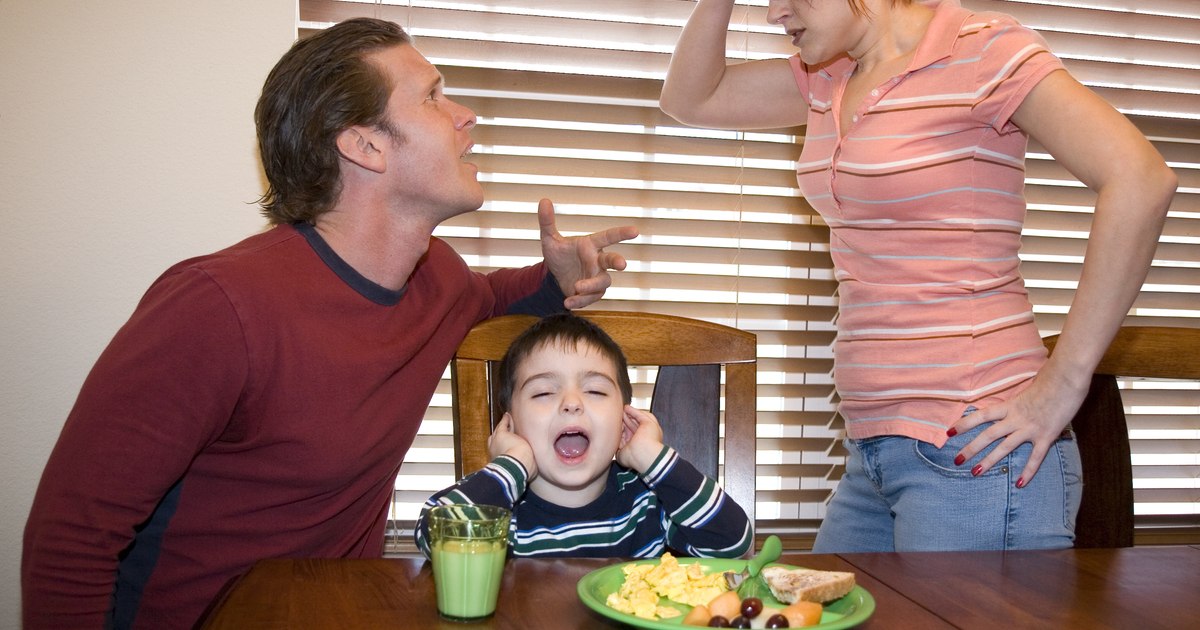
We grow convinced that we will do things differently. That we won’t yell, we won’t repeat the same lines, and we won’t carry on the habits we didn’t like or hurt us in childhood. And yet, in times of stress or fatigue, we catch ourselves saying the exact same words or reacting almost identically to our parents. At the same time, we sometimes notice that it is easier to give up small habits—those related to routine or organization—than deep patterns. We tried to find out why these things happen, how we can get rid of the habits we don’t like and at the same time make peace with the past.
The habits that disappear most easily
That we learn by modeling and the examples of those around us is a foundation of psychology. And childhood automatisms often become “shortcuts” of the brain, especially in stressful situations.
When it comes to letting go of habits, it seems that it is easier when it comes to superficial ones, such as household chores or the attitude we have towards things.
It is also shown by a discussion on the Reddit platform, where the question “What habits did you not take from your parents?” most mentioned ironing clothes or other household examples:
“I don’t sort the clothes when they need to be washed (most of them are black or dark in color). Saturday is no longer cleaning day. I’m not going to waste an entire day cleaning. I don’t wash the dishes because I have a washing machine (my folks have one too, but they refuse to use it). During the Holidays, I don’t splurge on the moon and light in the house, nor do I cook 10 dishes”;
“Not to keep dozens of useless objects in drawers/cupboards. Now I’m used to it: if I don’t open a drawer with things for months, at the first general cleaning everything goes to the trash”;
“The first thing that comes to my mind: the indispensable white sheet. Whether it’s the shelves in the kitchen where the dishes are kept or the closets with clothes, shoes, both from my mother’s side and from my father’s side they have this “custom” of putting white sheets, which of course I didn’t take over”.
Others have brought up oversaving:
“I don’t discount the quality of the food to save money and I take time off to relax. My folks used to choose bad food (margarine, parisier, etc.) to save money. Why were they putting them aside? To be. I never did anything with them. My people didn’t really take vacation days because, at the end of the year, the employer paid them the unused vacation days and it came out to them as a thirteenth salary”;
“I heat the whole house. My parents only heated certain rooms in the house”.
Many also mentioned another well-known custom to Romanians: “holding good things”.
,,I got a fancy cream and it smells nice? Well, I date her every day, to enjoy her, I don’t keep her in the closet until she expires.” wrote a woman.
,,To buy beautiful furniture and cover it with tarpaulin, sheet, blanket, and hell knows what else <
However, not everyone manages to get rid of these habits, even if they don’t like them. Someone wrote how “good luck” is such a well-formed habit that he repeats it:
“Well put. So good that you can’t find that item forever. So does my mother. That’s what grandma used to do. I’ve been looking for three days where I put the good jar opener. You say he made legs”.
How we detach more easily. Psychologist’s advice
“Detachment begins with observation without criticism,” explains psychologist Dorina Stamate. Which also offers some ideas for practical exercises:
“Imagine that your mind is like a house that you moved into at birth, and your parents chose the furniture, the curtains and the rules of the house. As an adult, you have the right to take inventory.
How teenagers find self-confidence. Practical guide with Daniel Ifrim, psychologist
For example, inheriting the belief to keep some objects “good”. These often come from a lack mentality specific to past generations. You can start with a small experiment: <
Why do we end up copying harmful behaviors?
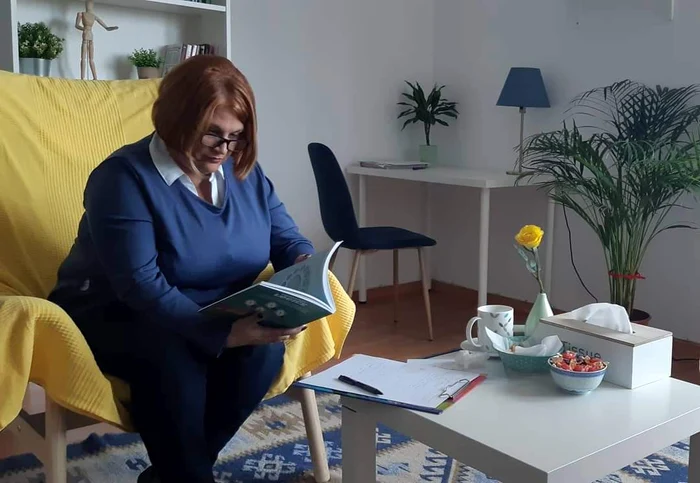
In the Reddit discussion, there were fewer responses to other kinds of habits: judgments about others, tone of voice, or how we react in the event of an argument. Such attitudes belong to much deeper layers of the psyche, are formed early in the relationship with parents and become almost automatic. Even if on a conscious level we reject certain behaviors (sound familiar “I will never do this?”), in stressful situations we end up reproducing them.
“It’s frustrating to hear yourself speaking in your father’s voice or reacting exactly like your mother, even though you promised yourself the opposite“, says psychologist Dorina Stamate, who also explains the three main reasons behind these reactions:
“It is the mother tongue of emotions, our brain learning by imitation. In times of stress, fatigue or anger, the brain goes on ‘automatic pilot’. Autopilot uses the oldest and most well-worn neural pathways—the ones from childhood.
Unconsciously, we believe that if we are different from them, we betray them or no longer belong to the family, and this means an invisible loyalty. Repeating their mistakes is, paradoxically, a way of staying connected to them.
Psychologists back EU cyberbullying reporting app: a must in a dangerous digital world for children
We know very well what we do not want to do, but we have not yet learned how to do otherwise. It’s like you know you don’t want to go North, but you don’t have a map for the South.”
The specialist also offers an example in this sense:
“If your parents yelled when they were angry, and you find yourself yelling, it’s not because you’re a bad person, it’s because that’s the only anger management ‘tool’ you’ve seen work for 20 years.”
“Making peace does not mean approving what they did wrong, but accepting that you cannot change the past”
Making peace with the past requires a change of perspective, explains Dorina Stamate:
“Try to look at your parents not only as Mom and Dad (figures who were supposed to be perfect), but as wounded children who grew up and did what they could with the (few) resources they had. A man who has not received affection has little to give.”
At the same time, the psychologist emphasizes, peace also comes when “we stop expecting from our parents now what they couldn’t give us back then”. As adults, we are the ones who have the power to change the narrative:
“Your parents may be responsible for your wounds, but you alone are responsible for their healing. Peace comes when you say: <
>.
