
Banning mobile phones in schools is frowned upon by experts from the Organization for Economic Co-operation and Development (OECD). The reason? According to the results of a new analysis based on PISA 2022 results, when students use their mobile phone or other digital devices at school, for up to an hour for relaxation purposes or even up to three hours for learning purposes, their performance in Mathematics shows an increase . If this range is exceeded, performance decreases. The bottom line? We need to keep a balance in terms of children's access to these devices. On the principle, what is too much, it spoils.
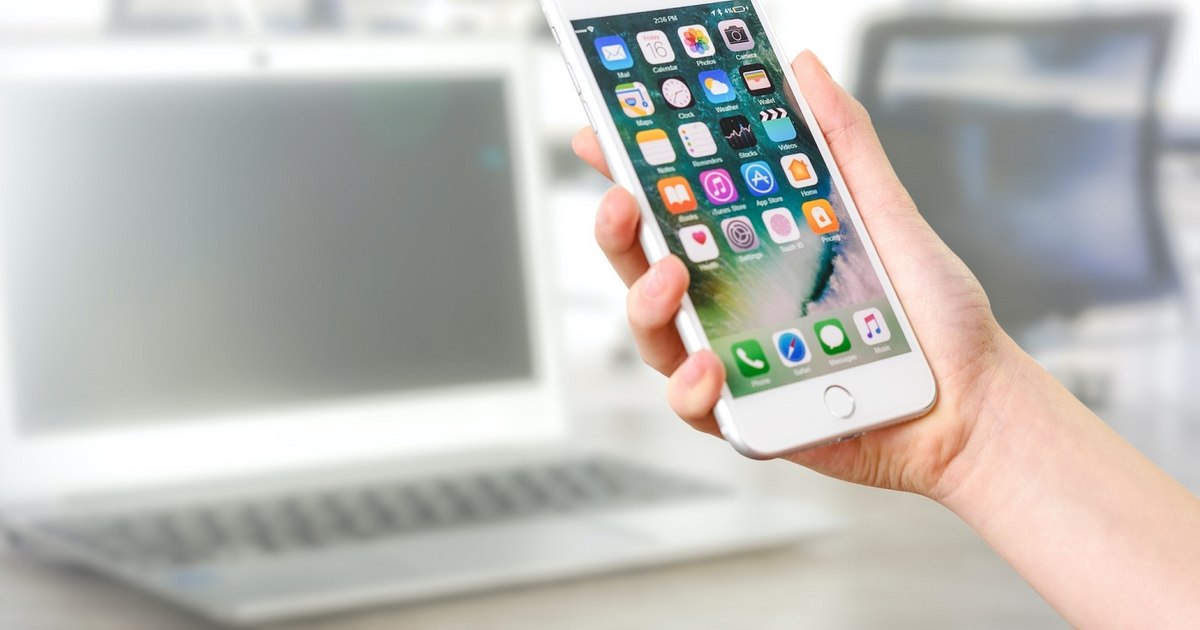
Mobile phones should not be banned from schools, says OECD. Photo source: archive
OECD representatives are against removing mobile phones from schools and are calling for other solutions for authorities to prevent children from being distracted in the classroom. The recommendation comes in the context where in Romania, for example, according to the latest PISA data, 35% of students said that they are distracted in class by using digital devices, and 31% said that they are distracted by other students who use their phones excessively. But even so, it seems that eliminating the smartphone is not a solution to achieve school performance.
New analysis based on PISA 2022 results shows there is a need for “effective ways to limit sources of distraction” with digital devices, in and out of school, but bans on mobile phone use in school are not among the agreed solutions, it says edupedu.ro.. The solutions, the authors show, must be sought in strengthening digital skills both among students and among teachers.
The banned phone at school will be even more tempting at home
The OECD report notes that banning phones in schools could reduce distractions in the classroom, but bans could do more harm than good. Specifically, the measure could cause students to use these devices for more time at home. Experts believe that school policies that strengthen students' digital skills and behaviors can support them to cope with sources of distraction. PISA 2022 analyzes show that digitally literate students are less likely to either end up being distracted by these devices. Basically, the more technical and technological information you have, the better you can control the effect these devices have on you.
Students seem to be less distracted by digital devices and when they close notifications from social networks and mobile applications during class. “When they don't have their digital devices open during class to take notes or look up information, or when they don't feel pressured to be online and respond to messages”also explain the specialists who drew up the report.
Strengthening partnerships between school and family, clear communication and nuanced recommendations to parents on the challenges and opportunities of digital environments for their children, strengthening the digital skills of adults can also support a more effective involvement of parents in the interaction of children with digital environments, more say OECD experts. The PISA 2022 results also show that students who report stronger family support are less likely to be distracted overall.
Crucially, strengthening students' digital literacy and their ability to navigate digital environments requires well-trained teachers. The initial training and professional development of teachers outlines their ability to limit sources of distraction in the classroom through the use of digital devices. In OECD countries where data are available, PISA 2022 results show that mathematics teachers involved in professional development activities related to ICT skills for teaching in the year prior to the assessment reported lower levels of student distraction when their peers I use digital devices in the classroom.
Phone addiction leads to health and behavioral problems
The dependence of students on phones and screens in general did not happen overnight, psychologists say. We are talking about a long process, because today's students are the former small children whose parents allowed them access to screens from a very young age.
Psychologist Radu Leca is of the opinion that a prolonged exposure at school and at home, without the establishment of clear rules, is more than harmful from the point of view of children's health. We're not just talking about school performance. “Prolonged exposure to screens leads to the appearance of psycho-emotional diseases, affective and behavioral disorders among children aged between 1 and 10 years. Then, let's not forget that the number of cases of children with special educational needs has exploded in the last five years“, explains psychologist Radu Leca. More precisely, it tripled, reaching over 70,000. Specifically, according to the data provided by the Ministry of Education, the number of students with CES in mainstream education is 51,784, and those in special education is 19,450. Thus, officially, Romania has over 71,234 schoolchildren with special educational requirements.
“Like diseases caused by prolonged exposure to screens, we have light autism in the first place. In second place we have anxiety and depression. In third place we have obsessive-compulsive disorder. Then we have anxiety about sleeping at night or eating, which can put the child's life at risk. Children addicted to computer games, especially network games with a high degree of violence, can also become angry and aggressive. And the parents end up in a situation where they simply can't communicate with the teenager at all.” psychologist Radu Leca explains what addiction means and entails.
OECD experts recommend balance and learning how to use these devices correctly and safely. Used for educational purposes, the mobile phone seems to be a necessity. Used chaotically leads to regression in all aspects, including educational.
