
A revolutionary blood test created by Oxford University researchers could represent an important step in the fight against cancer. Called TriOx, the test uses machine learning technology to analyze DNA in the blood and detect subtle signs of cancer, including in the early stages.
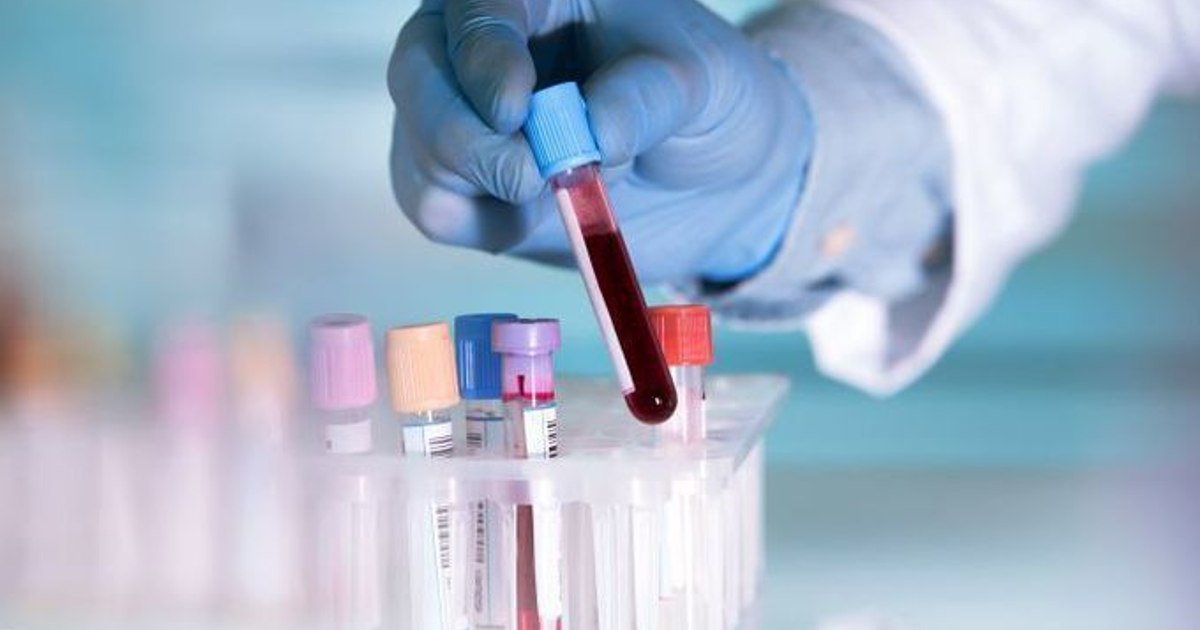
Blood tubes. PHOTO: archive
The study, published in Nature Communications, showed that TriOx accurately detected cancer (including early stages) of six types and differentiated people who had cancer cells from those who did not.
Cancers can be more easily cured if they are detected early, and early treatment is also much cheaper in health systems. While the test is still in development, it demonstrates the promise of blood-based early cancer detection, a technology that could revolutionize screening and diagnostic practices.
A team of researchers from the University of Oxford has developed a new liquid biopsy test capable of detecting six types of cancer at an early stage. The types of cancer evaluated in this study were colorectal, esophageal, pancreatic, renal, ovarian, and breast.
“Liquid biopsies” have become an important research focus in recent years as a less invasive alternative to existing diagnostic tests. Liquid biopsies show promise for detecting cancers. However, most liquid biopsy tests currently look at only one or two features of cancer DNA, which limits how well they can detect cancer.
“Our new test brings together the best of cutting-edge science and machine learning”explained Professor Anna Schuh, Professor of Molecular Diagnostics at the University of Oxford’s Department of Oncology and principal investigator of the study. “It allows us to look at the entire cancer genome, improving reliability. Although this test is still in development, with further work, we believe it has the potential to improve survival rates for millions of people around the world by enabling the implementation of tests routine blood tests to detect cancer earlier, when it is easier to treat.” says Anna Schuh.
