
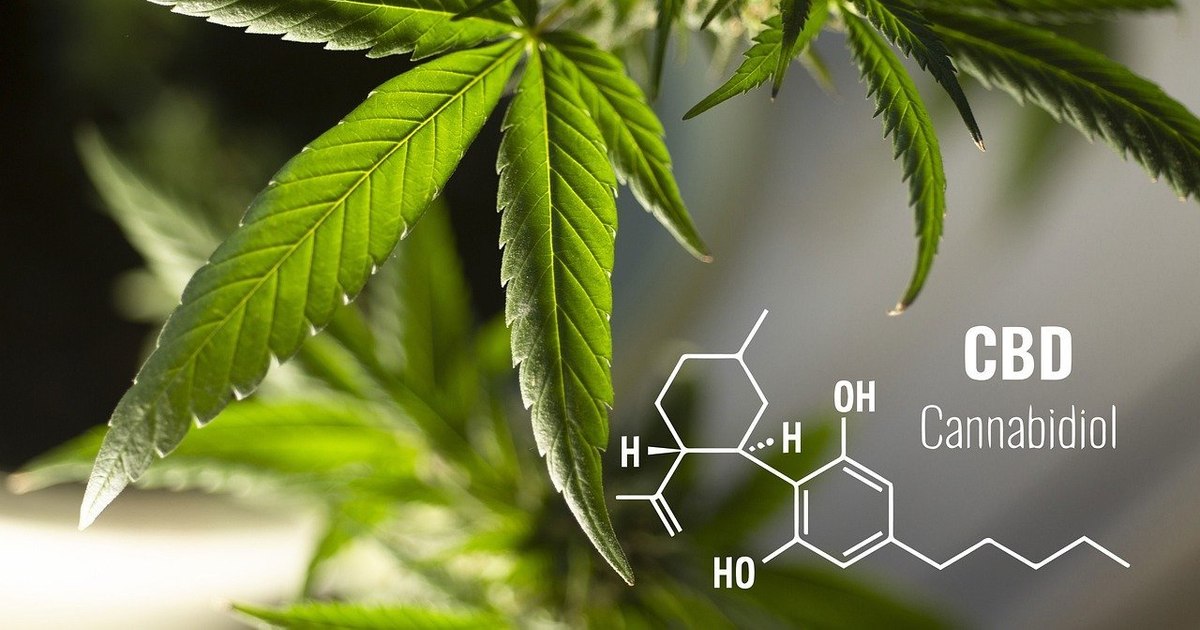
The European Food Safety Authority (EFSA) has for the first time established a daily dose considered “safe” for CBD, a non-psychoactive compound extracted from cannabis, a plant classified as a drug in many jurisdictions.
The European Food Safety Authority (EFSA) has announced the establishment, for the first time, of a level of consumption considered safe for cannabidiol (CBD), a non-psychoactive substance extracted from the cannabis plant.
The decision marks an important moment for the regulation of products containing CBD in the European space and introduces a more conservative threshold than the limits applied in other states, such as the United Kingdom or Switzerland.
CBD is increasingly used in various food and beverage products, from sweets and honey to biscuits, cakes, teas and coffee. Unlike marijuana, cannabidiol does not produce intoxicating effects. It is frequently touted for possible therapeutic benefits, including reducing anxiety, soothing pain, and reducing inflammation, although many of these effects are still being scientifically analyzed.
At the level of the European Union, the European Commission considers that CBD falls under the category of “novel foods”, which means that it can be marketed, but only if it complies with the strict requirements provided by the European legislation specific to this category. Products must be evaluated and authorized before reaching the market.
The provisional safety level established by EFSA applies exclusively to dietary supplements containing CBD with a purity of at least 98%, free of nanoparticles and obtained by manufacturing processes considered safe. In addition, the evaluation included only formulas for which the risk of genotoxicity was excluded.
“safe” limit
According to the official communication of the European agency based in Parma, EFSA experts calculated a provisional safe daily dose of 0.0275 milligrams of CBD per kilogram of body weight. In practice, this means about 2 milligrams per day for a 70-kilogram adult.
Comparatively, the recommended limit at European level is much lower than the thresholds adopted in other jurisdictions.
In the United Kingdom, the guideline level is 10 mg per day, in Switzerland 12 mg per day, and in Canada the authorities indicate a range between 20 and 200 mg per day, for up to 30 days, with the recommendation that users consult their pharmacist about other drugs or substances taken at the same time.
EFSA explains the difference in approach by applying an additional safety margin, motivated by the lack of complete data on the effects of CBD consumption.
In its analysis, the institution excluded several categories of the population considered vulnerable: people under 25, pregnant or breastfeeding women, as well as people under medical treatment.
Agency representatives point out that there are still questions about how CBD is processed in the body and its long-term impact. “Some uncertainty remains regarding the kinetic behavior and long-term effects of CBD consumption on the liver, neurological functions, and the reproductive and immune systems“, the EFSA specialists sent.
The institution emphasizes that this threshold is provisional and could be changed in the future as new studies and scientific data become available regarding the safety of cannabidiol in food consumption.
