
The Arada nutritionist Luminita Catană speaks for “Adevărul” about cholesterol. It is one of the most heard words when it comes to cardiovascular diseases in particular.
Some of the cholesterol is found around the liver PHOTO archive The truth
Nutrition specialist Luminita Catană says that everyone struggles to have cholesterol within physiological limits.
“As a nutritionist, I think it is important to know the details and then we will be more careful. In fact, these tips are meant to raise awareness of how important health is, to reduce the suffering and costs of certain diseases through information, knowledge, education and prevention. Cholesterol is a water-insoluble lipid based on a sterol, found in the blood and identified in the cell membrane of the body. It is part of the membrane found around the liver, spinal cord, brain and other tissues. That's why our body can't function without cholesterol.”
says Luminita.
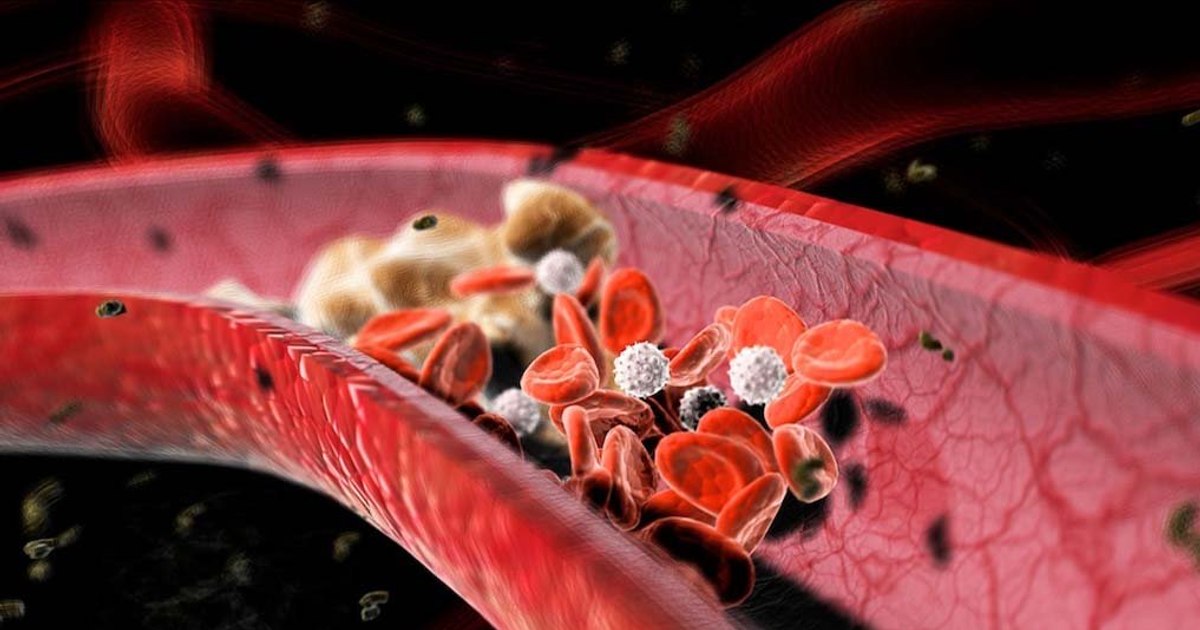
Part of this cholesterol is synthesized in the liver, and what remains in excess is deposited on the blood vessels. In too large a quantity, it brings various ailments, the most well-known being arteriosclerosis – which significantly increases the risk of myocardial infarction and cerebrovascular, eye accidents.
Scientific data
Many biochemical processes in the body have cholesterol as a precursor and it is vital. It was first identified in 1784 in cholesterol stones (popularly known as “gallstones”).
Thus, 80% of the cells are based on blood cholesterol, which in turn consists of two types of lipids: LDL (low density lipoprotein), those lipoproteins with low density, also called “bad cholesterol”, and HDL (eng – high density lipoprotein), those lipoproteins with high density, the so-called “good cholesterol”.
Both cholesterol fractions owe their names to the type of protein that carries the cholesterol molecules.
“Cholesterol has many important roles in the body: it is indispensable in the cellular structure, with an essential role in the growth, development, repair and scarring of tissues; leads to the synthesis of steroid hormones – cortisol, aldosterone and sex hormones; participates in the synthesis of vitamin D, involved in calcium metabolism; comes from foods of animal origin (meat and meat preparations, fish, seafood, dairy, eggs and the rest is synthesized at the level of the liver), says Luminița Catănă.
The most common situations that lead to an increase in blood cholesterol are: sedentary lifestyle; food rich in animal and “trans” fats – margarines, frozen doughs, pastries, commercial cakes; smoking in particular, heredity (dyslipidemias in the family). Age – men over 45, women over 55.
Natural remedies
Luminita Catană says that of course a healthy lifestyle directly influences cholesterol levels. It involves physical movement, rest, recovery, proper hydration and healthy eating.
“Here we are talking about regular meals, rich in vegetables and fiber, without fast food. Adequate supplements – Omega 3 in particular, but also always check the level of vitamin D. Magnesium is also important and B vitamins. Avoiding smoking or at least reducing the number of cigarettes and balance in everyday life”adds the nutritionist.
