
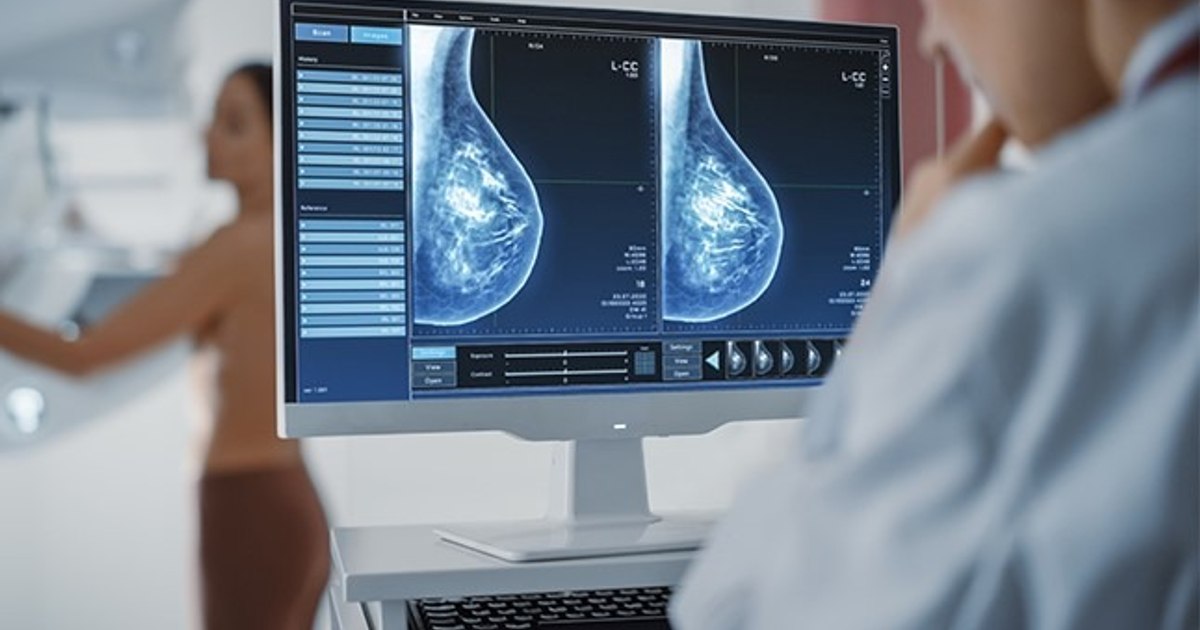
Soon, all citizens of EU member states who want to be treated in hospitals and clinics abroad will be able to do so much faster, but also much more efficiently. The European Parliament and the Council of the European Union have decided to establish a common medical database that will allow doctors to access patient information from all member countries.
Diagnosis and treatment abroad will be much more effective. Photo source: archive
The advantages of such a system are extremely numerous. Because the diagnosis and treatment will be done much faster, the chances of healing and even life of patients, especially those in serious condition, will increase considerably. Currently, for example, a person who arrives at a clinic abroad may need, in addition, a number of acts and documents that he does not have on him and that he must ask the doctor in the country. But until they are received, precious time may pass.
In addition to the possibility of offering a faster and better documented diagnosis, the adopted measure will also facilitate the cross-border mobility of Europeans, precisely through the lens of increasing their safety in the event of an emergency medical intervention or even establishing a medical treatment, which is synchronized with the information medical included in their file.
What information will the electronic health record contain?
The electronic health record, because that's what it's about, is an electronic database that contains relevant medical information: information about the patient's previous conditions, surgeries, treatments and allergies, data on blood tests, urine, medical imaging, list of medications prescribed and administered, as well as records of visits to doctors, diagnosis, treatment and the evolution of the state of health, etc.
Medical information will also be able to be used for research purposes, which could contribute to the development of new treatments and the creation of personalized medicines.
As the use of electronic health data involves the processing of sensitive personal data, some elements of the proposed regulation fall within the scope of EU data protection law and the provisions of the proposal are in line with the Union data protection law (GDPR) After formal adoption by the European legislators, the measure will be applied in stages in all member countries.
