
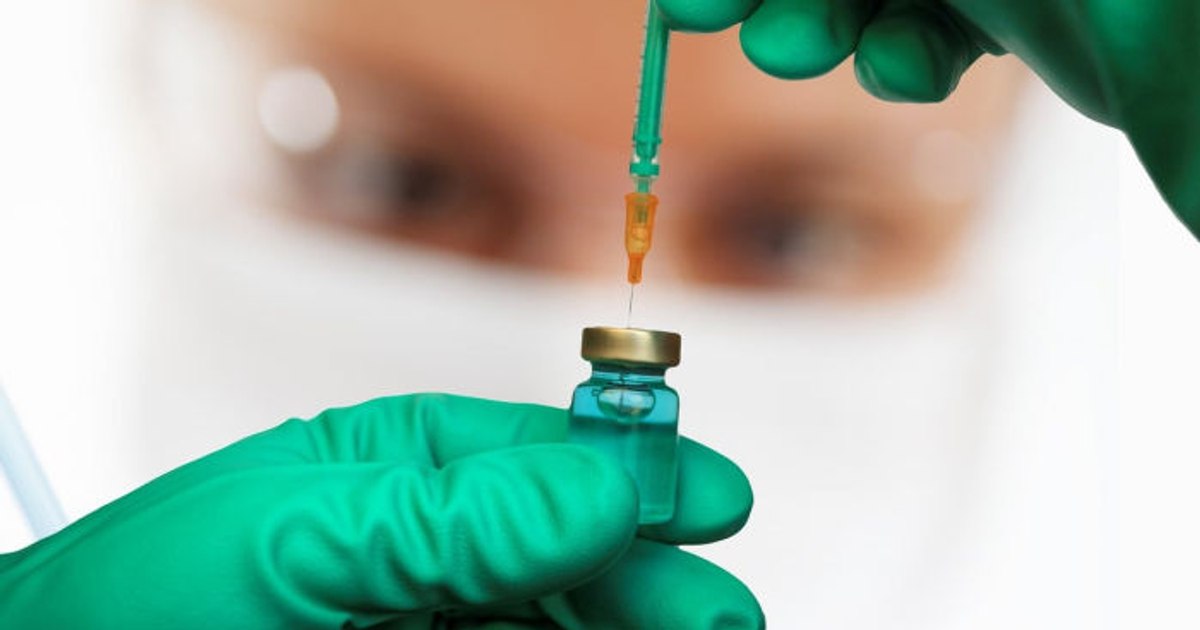
Doctors are sounding the alarm and implying that because of reluctance to vaccinate we risk undoing nearly a century of medical research. Diseases that were kept under control, some almost eradicated, return menacingly, causing victims, precisely because they find favorable terrain.
Vaccines save lives, say doctors PHOTO The truth
According to official data, in just four months, Romania has reached first place in Europe in the number of measles cases. More precisely, 11,000, with 12 deaths recorded in the said interval. At the same time, our country ranks first on the continent regarding the rate of Koch bacillus infection, with a quarter of the tuberculosis cases in the entire European Union. Added to all this are the increasing number of cases of whooping cough, with two deaths.
All these diseases that throw us into the negative charts of the European Union and with devastating effects especially on the vulnerable categories of the population, are perfectly preventable. A simple vaccine would drastically reduce, almost eradicate, all these diseases.
The reluctance of a large contingent of the population to vaccinate means that the medical advances of the last hundred years are almost in vain, and doctors watch almost helplessly as almost extinct diseases are reactivated.
Potentially devastating diseases just a stone's throw away
In Romania there is a mandatory population vaccination scheme, especially for children. In short, the Romanian state has bought vaccines and offers them free of charge to the population, which are intended for the prevention of the following diseases or infections: tuberculosis, diphtheria, tetanus, whooping cough, poliomyelitis, hepatitis B, measles, rubella, mumps, haemophilus influenzae and pneumococcus. That is, with a few stings, at certain time intervals, from birth until the age of 14, any Romanian can be protected from all these diseases, with potentially devastating effects on the human body.
Only if we were to think about poliomyelitis, tuberculosis or hepatitis B. Specialists say that even measles has effects that are difficult to imagine, especially if it gains ground in a weakened body.
“Measles, rubella and mumps are diseases that can have long-term sequelae and can have consequences even in adult life. We have had cases of measles even in people in their 50s. Either they got a mild form of the disease in childhood and didn't develop immunity, or they didn't get the disease at all in childhood. Baseline health makes the difference between a severe course requiring medical attention or an episode of illness that can be managed at home.”states epidemiologist Irina Alecu, from DSP Botoșani.
And the disease can only be prevented by a vaccine. “The anti-measles vaccine is included in the national program together with other vaccine preparations that provide this type of protection against diseases that over time have caused loss of human life, short-term or long-term disabilities”says Irina Alecu.
According to statistics, before the advent of the measles vaccine, more than half a century ago, more than 2.6 million people worldwide lost their lives due to this disease. Another serious disease for children is whooping cough. Whooping cough is caused by the “per cough” bacillus and gives very severe complications, with dyspnoea, convulsions and finally risk of cerebral sequelae.
“It's traumatic for a parent to see their child turning blue, gasping for air, convulsing. Unfortunately, all these diseases with a component of convulsive cough, fever, hypoxia, leave cerebral sequelae”, states Irina Alecu.
“They were diseases kept under control but coming back”
The culmination, after a century of medical research, with very effective vaccines, doctors say, against these serious diseases, which risk leaving serious sequelae or can even kill, in some cases we risk going back to where we left off. And precisely because more and more people refuse to vaccinate their children.
There are those who refuse including those vital vaccines against extremely serious, debilitating or deadly diseases such as poliomyelitis, tuberculosis or hepatitis B, included in the vaccination schedule right from birth. “There are people who refuse any kind of vaccine or screening method”says neonatologist Carmane Zaboloteanu.
Dozens of parents refuse to vaccinate their newborn every year, even screenings that could detect rare diseases that can be controlled if they are identified in time. “In the case of tuberculosis, at any time, from the first moment when the baby leaves the motherhood, it can contact the Koch bacillus and then the evolution of the disease can be serious and with permanent consequences for the child”adds Irina Alecu.
Along with the conspiracy theories, with the anti-vaccine trend strongly amplified by the COVID-19 pandemic, more and more diseases previously kept under control are coming back with force, in some cases leaving sequelae or even causing the death of patients.
“They were diseases that were kept under control, but that are coming back precisely because we have this global tendency to be vaccine averse. It is actually the price of success for vaccines. They were effective, they caused these serious diseases for which they were thought to be so present in the population, and then the new generations who are currently reluctant, some even refuse vaccination outright, do it because they have never seen how dramatic the disease can be. If we don't keep up the pace of vaccine coverage, we're going to go back and we're going to see children with seizures again and brain sequelae from whooping cough, we're going to see lifelong sequelae from measles, sterility from mumps again. Unfortunately, we have two deaths from whooping cough in the country since the beginning of the year. And we are talking about a vaccine included in the national vaccination scheme, free of charge”states the epidemiologist from Botošan.
Vaccination fears
Anti-vaccination theories are global and based on a range of popular fears, from vaccination causing autism to extreme conspiracy theories about a “world occult” wanting to introduce chips or serums mass population control.
An investigation carried out by specialists from 24 countries, gathered and coordinated by representatives of the University of Queensland, specified in the specialized magazine “Health Psychology” that anti-vaccine attitudes are linked to several factors, including the view of life and social hierarchies, mistrust in certain systems medical, conspiratorial thinking, fear of needles and blood, etc.
In Romania, for example, according to some studies last year, the perceived importance of vaccines for children decreased by 10%. The situation is increasingly worrying, experts say, especially since prevention must be the basis, not treatment.
This in the conditions where it is more beneficial and cheaper to prevent than to treat. “In the developed countries that had access to advanced diagnostic and treatment technologies before us, everything that means prevention comes back to us, and there prevention remains the basis. We have many countries that have effective health systems. Yes, but there if we talk about vaccination we are talking about 90-95% coverage rate. Treatment is expensive, prevention is effective and cheap, but it must be used. Vaccines were developed precisely to reduce mortality from preventable diseases and to reduce the impact of financial and human costs. We have a vaccine for various diseases, we administer it and then it increases the life expectancy, increases the degree of health of the patient who will not get the disease”concludes Irina Alecu.
