
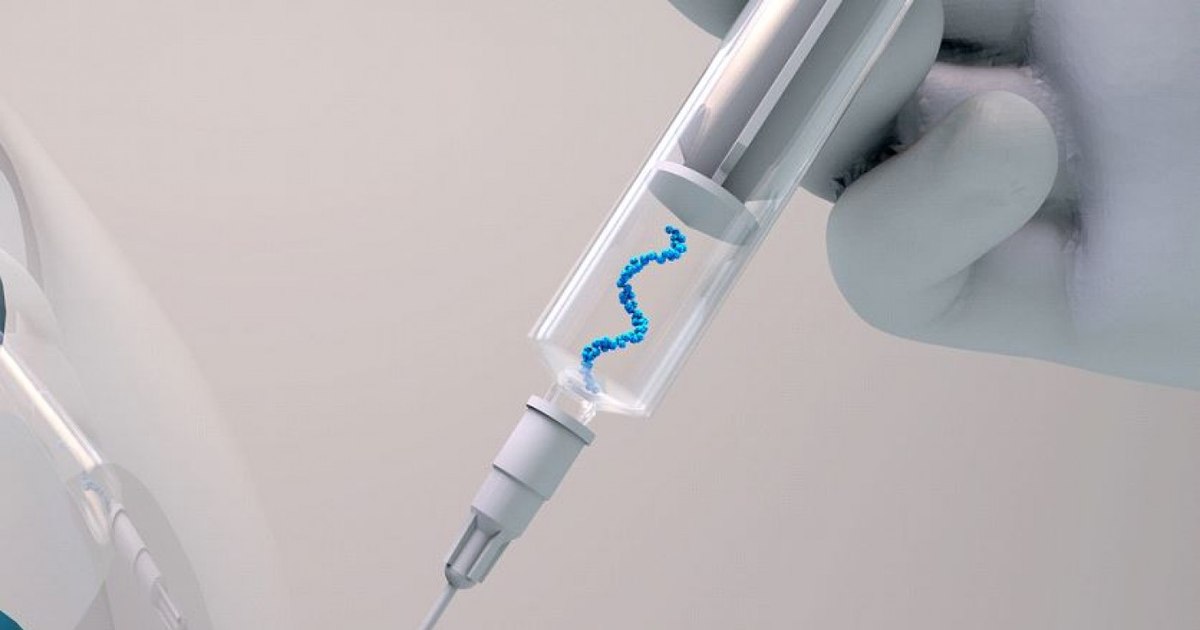
The inventors of the messenger RNA technology, which was the basis of the anti-Covid-19 vaccine, were rewarded with the World Health Organization (WHO) Prize for Global Health.
Messenger RNA technology. PHOTO Archive
The Director General of the WHO, Tedros Adhanom Ghebreyesus, presented this award to professors Katalin Kariko and Drew Weissman from the University of Pennsylvania in the United States during the annual opening ceremony of the World Health Assembly, according to DPA, cited by Agerpres.
Barbados Prime Minister Mia Mottley was also honored for her leadership in climate action and health and her work as chair of the Global Leaders Group on Antimicrobial Resistance.
“Professors Kariko and Weissman played a key role in mitigating the burden of COVID-19 and saving lives during the pandemic. Their leadership in this field has the potential to play an essential role in improving health worldwide“said Tedros Adhanom Ghebreyesus.
The two researchers became famous especially after they discovered a new platform of messenger RNA modified with nucleotides to bypass the adverse immunological response.
Both scientists were awarded the 2023 Nobel Prize in Physiology or Medicine.
Their discovery”has fundamentally changed our understanding of how messenger RNA interacts with our immune system“, the Nobel committee said at the time.
NYP: Scientists' Lies About the COVID-19 Pandemic. The virus that killed millions, possibly man-made
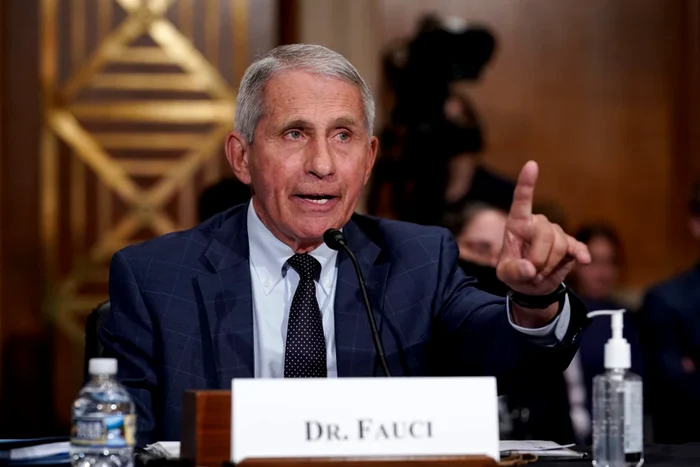
Dr. Fauci. PHOTO Archive
Four years after the outbreak of the Covid pandemic, accusations of falsification of the truth by scientists are being brought in the US, and Dr. Fauci is being fingered for siding with “big pharma”.
A recent New York Post op-ed claims there is new evidence that could shed light on the origins of the COVID-19 pandemic, suggesting that scientists have been hiding the truth about the virus. According to the article, current investigations indicate that the SARS-CoV-2 virus may have escaped from a laboratory in Wuhan, China, despite previous statements supporting a natural origin.
The article questions the credibility of renowned researchers and accuses certain scientific institutions of manipulating information to avoid responsibility and protect certain interests.
Critics of this view argue that such claims could undermine public confidence in the scientific community and global efforts to combat the pandemic. However, proponents of the laboratory theory call for full transparency and thorough investigation of all possibilities regarding the origin of the virus.
This controversy reignites the debate on the importance of transparency and integrity in scientific research, underscoring the need for strict ethical standards to prevent manipulation of information and to ensure the accuracy of data communicated to the public.
