
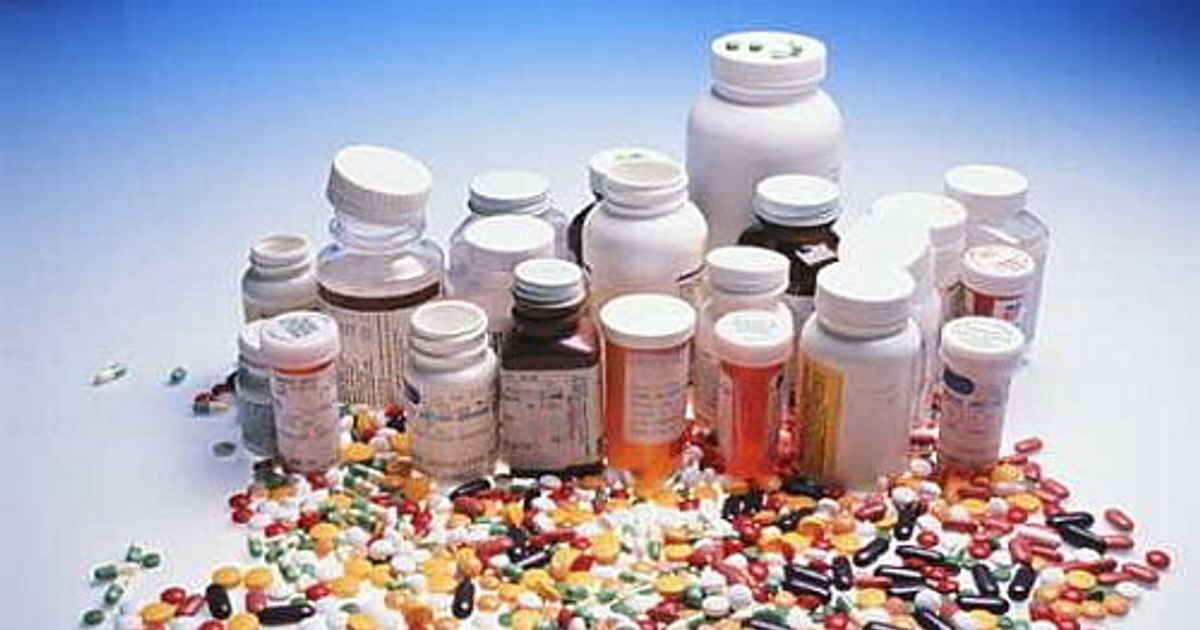
Two or more drugs taken at the same time, “after the ear” could have serious side effects, draw the attention of specialists. And to prevent such incidents, a pharmacist explained what are five of the most dangerous combinations.
Combinations of certain drugs can be fatal. Photo source: archive
Pharmacist Abbas Kanani, from Chemist Click, has outlined five drug combinations that should be avoided.
“Combining medications can put your health at risk and increase side effects or cause more serious health problems. Sometimes new symptoms can appear as a result of drug interactions, and these could be mistaken for a new condition.” he explained. “The opposite can also happen, when efficacy is reduced, which can put you at risk of not having the correct dose for your condition,” the specialist also specified.
Combinations of drugs can have serious consequences, such as dysregulation of blood pressure or heart rhythm. “Organ damage, particularly if the drugs are metabolized by the same organs, such as liver or kidney damage, can also occur when there is chronic use of interacting drugs. You can also increase the risk of an allergic reaction, which can be anything from a mild rash to severe anaphylaxis, a life-threatening condition.” he says, according to Express.
The family doctor Mihai Mara specified for “The Truth” that “the liver has the role of processing all these drugs, and a larger amount than is needed or their administration in non-recommended combinations can trigger various liver diseases. Stomach diseases are not excluded either. Anti-inflammatories, for example, irritate the stomach lining and we can wake up with gastritis or even ulcers that could send you straight to the hospital bed.
Drug combinations to avoid
Over-the-counter anti-inflammatory drugs such as ibuprofen and naproxen with anticoagulants such as warfarin should be avoided, says the English pharmacist.
“Nonsteroidal anti-inflammatory drugs may increase the risk of bleeding when taken with anticoagulants. Both drugs affect blood clotting, and gastrointestinal bleeding can occur when taking NSAIDs,” he explained.
Certain antibiotics, such as erythromycin and clarithromycin, should not be combined with statins. He informed that they have an increased risk of muscle damage, known as rhabdomyolysis. “Antibiotics can increase the concentration of statins in the blood“, he added.
Migraine medications should not be taken with antidepressants. “Triptans used to treat acute migraines and selective serotonin reuptake inhibitors used to treat depression increase serotonin levels,” says the pharmacist. Too much serotonin can be known as serotonin syndrome and causes symptoms that can range from mild (chills and diarrhea) to severe (muscle stiffness, fever and seizures).
“Some antibiotics can reduce the effectiveness of birth control pills“, he warned. Antacids and some antibiotics, such as tetracycline and ciprofloxacin, should not be taken together. “Antacids can prevent the absorption of antibiotics because they bind to them. Take antibiotics two hours before or four hours after acid reflux medication,” says this one.
“You should always talk to your GP or pharmacist if you want to take two different medicines at the same time. Regular check-ups and blood tests will help monitor the effects of drug combinations and, if necessary, dose adjustments can be made.” he explained.
How much harm can a common cold pill do to us
Easy to say, hard to put into practice, especially in our country where self-medication and self-diagnosis seem to be a national sport. Because Romanians, instead of going to the doctor, prefer to treat themselves at home with medicines that they sometimes take with their fists. These include antibiotics. However, non-prescription drugs remain in great demand. However, doctors are sounding the alarm. Administered in large amounts they do more harm than good. Medicines for colds, for example, taken very often, including for prevention, act directly on the bacteria in the gut which, over time, they destroy. Consequence? The self-medicating person might get rid of a cold, but they could end up with another condition: leaky gut syndrome.
“The point is that we should only take these drugs when we really need them. Not anytime, not anyway and in no case preemptively. Then, we should turn our attention to those drugs prescribed by the doctor in the past and which were well tolerated by the body. Which we know have done us no harm. Obviously, we must respect the dose prescribed on another occasion by the doctor or the one recommended by pharmacist. Because if you need a paracetamol a day, but you take five pills, it’s not right”, doctor Mihai Mara also said.
