
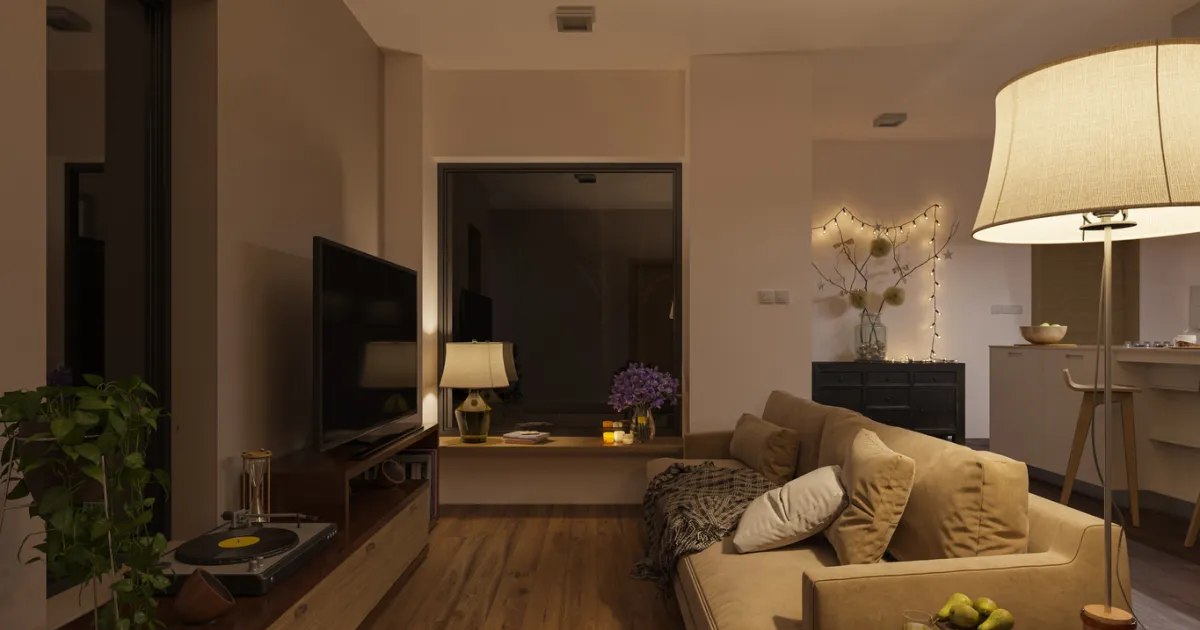
The rise in myopia in children and young people is often blamed on screen time. However, a recent study shows that the common factor in cases of myopia may be reduced exposure of the retina to light, whether from screens or other close-up activities. How is that possible? “When we read, use the phone or work on the computer in low light conditions, the pupil contracts to clarify the image, further reducing the amount of light reaching the retina. Over time, this mechanism could influence the biological processes that control eyeball growth.”explains ophthalmologist Dan Stănilă.
The study that changes perspective
Researchers at the SUNY College of Optometry in New York analyzed pupil behavior in 34 volunteers – 21 with myopia and 13 with normal vision. Participants were asked to focus, using one eye at a time, on square targets of varying brightness and contrast.
“Ocular behavior that has been recorded in myopes suggests that activities and tasks that require near vision may contribute to myopia because of the way the pupil contracts to limit the amount of light entering the eye. The team also noticed that in myopes, their pupils shrink more than in those with normal vision. These observations were enough to substantiate a new hypothesis: that in myopia, focus is prioritized over brightness, creating a kind of feedback loop that overcompensates and then worsens the condition.”explains Dr. Dan Stănilă, primary ophthalmologist.
The narrowing of the pupil can cause less light to reach the retina, which could affect the stimuli needed to develop and maintain a healthy visual system.
The research now isn’t the only one pointing to the role of low light in myopia.
,,These findings suggest that, in addition to exposure to bright light, visual cells stimulated by exposure to dim light could be involved in the development of human myopia.(…) Dim light environments, especially those combined with intense close work, contribute significantly to the development and progression of myopiaskin”, says the ophthalmologist.
However, the current study also has certain limitations: It did not follow the development of myopia over time according to ambient lighting, it directly compared groups of people exposed to bright light vs. dim light for long periods and has not proven that dim light causes myopia, only that it can influence how the eyes react to focus and light.
What “low light” means to the eye
The optimal light for the eyes is much stronger than that used in a classroom or a room lit by a lamp. That’s why, the researchers point out, a long time spent indoors seems to increase the risk of myopia, while bright light outside seems to protect.
How to save your child from myopia: food, vitamins and habits. Cheese and fatty fish, surprising allies
“At least 10,000 lux of light – much stronger than a typical indoor classroom of 800 lux – is probably needed to effectively slow the progression of myopia”says Dr. Dan Stănilă.
Greater risks when we read or expose ourselves to screens in low light
Reading or using the phone in low light can increase intraocular pressure and eye fatigue.
“When you focus on screens, your blink rate decreases, leading to dry eyes,” warns the doctor.
He recommends the 20-20-20 rule: Every 20 minutes, take a 20-second break and look at an object six meters (20 feet) away.
The technique relaxes the eye muscles, allows the retina and pupil to adapt and receive light more evenly, and can prevent or reduce symptoms of visual fatigue, headaches and dry eyes.
Factors that increase risk
I asked the doctor if constant exposure to dim light is enough to get myopia.
“Increasing time spent indoors, using digital devices and reducing outdoor activities contribute to the progression of myopia”he says.
Genetic predisposition can make the effect of low light more severe.
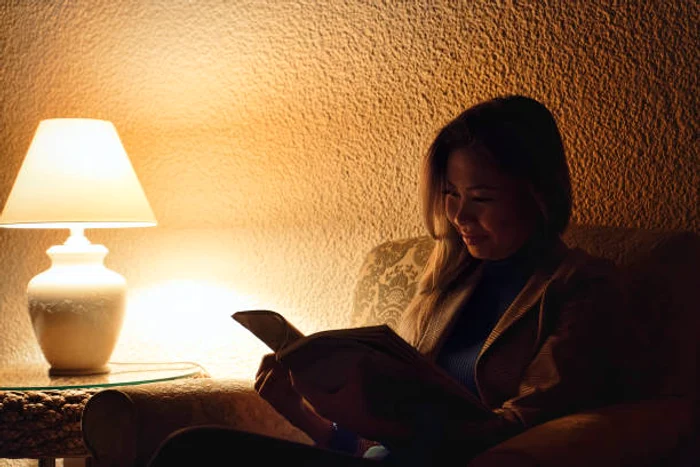
Recommendations for prevention and eye protection
But what happens if we already have myopia and do not want the diopters to increase? Time spent outdoors remains the most effective protective factor:
“Exposure to natural light stimulates the release of dopamine at the retinal level, a mechanism considered protective against the excessive elongation of the eyeball. That’s why specialists recommend that children spend at least 90-120 minutes a day in nature,” emphasizes the doctor.
It also recommends:
- Adequate lighting of study spaces;
- Regular breaks every 20 minutes;
- Limiting close visual activities.
“These simple measures can reduce the risk of myopia progression and protect long-term vision, even in the digital age”concludes the doctor.
