
If you get a call from an unknown or suspicious number and you’re worried it might be a scam, pay attention to the first three digits of the number. Cybersecurity experts say scammers prefer to use some area codes in four US states to trick victims.
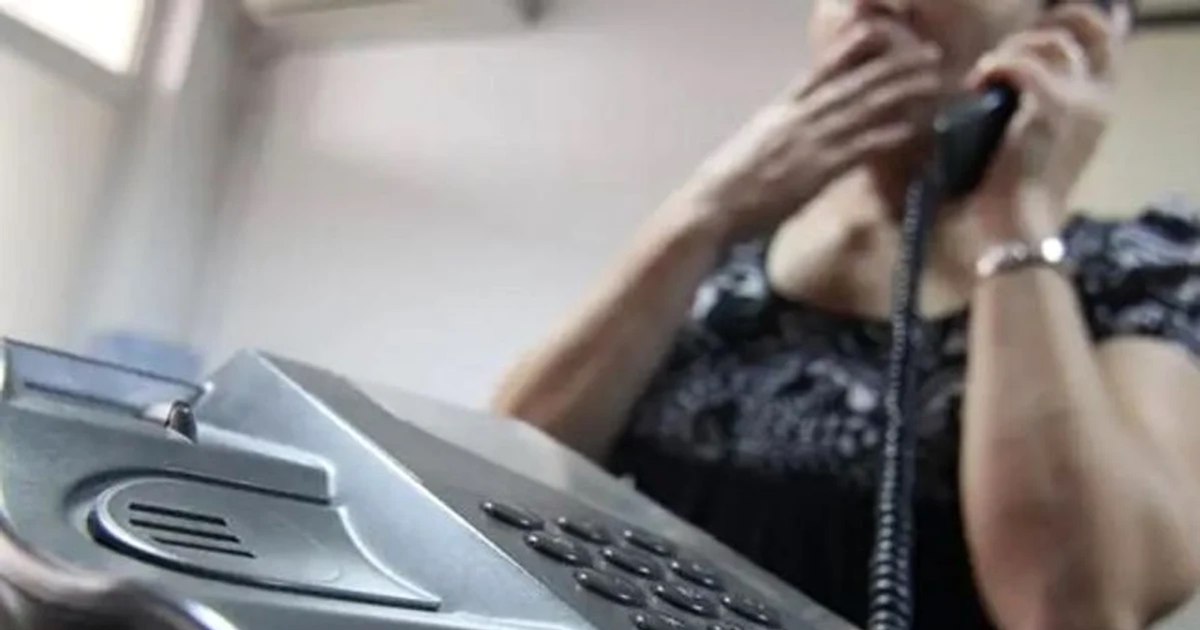
Phone scams can be avoided with simple tricks Photo Shutterstock
The most commonly used area codes by scammers in 2024 are: 720 (Colorado), 272 (Pennsylvania), 959 (Connecticut) and 346 (Texas). These area codes are often used to trick victims into answering, creating the impression that the call is coming from a trusted area. Be cautious and always check the source of unknown calls before answering or giving out personal information.
According to a report made by the company ReversePhonequoted by Daily Mailscammers use a technique of “number spoofing” to change caller ID information to display a number with an intriguing or trusted prefix. This trick tricks recipients into thinking the call is from a legitimate source. As a result, several US states are being hit by a wave of fraudulent communications.
Holiday Scams: Miraculous Prize Traps
ReversePhone.com is a newly founded (2024) New York City-based company that specializes in providing services that help users identify unknown callers and protect themselves against spam calls or scam attempts. The company also works with cyber security firms, providing data on phone fraud trends.
“Many scammers prefer to use telephone area codes from densely populated states to create an impression of authenticity and trust”ReversePhone representatives explained.
The company identified three of the most frequently used numbers in the scams: (763) 274-3899, (217) 402-1312 and (202) 456-1111.
“Numbers used in scams are often associated with a high volume of calls, especially during busy periods such as holidays. At these times, scammers frequently launch schemes, promising various things “prizes” or by sending “urgent bank notifications”the people from ReversePhone also explained.
Phone scams with fake numbers or IDs
Security experts recommend ignoring calls from unknown numbers, blocking suspicious contacts, and reporting any calls labeled as “possible fraudulent call” (“possible spam”).
The report analyzed data from customer call complaint logs stored in reverse number lookup tools and identified numbers commonly used by scammers using the technique “number falsification” or “caller ID spoofing”.
“This technique increases the chances that victims will answer the call. Therefore, it is recommended not to answer calls from unknown numbers”ReversePhone representatives also mentioned.
Given that such scams can appear anywhere, including in Romania, cyber security specialists recommend being very careful when receiving unknown calls or requests for personal information. It can also happen that a call is spoofed and you don’t realize it right away, so it’s important to be extremely cautious before giving out sensitive data.
“They took control of my phone and transferred $20,000 from my account”
The most common complaint reported was related to bank scams, with more than 1,370 cases recorded in the most used area codes, which involved giving access to victims’ bank accounts or transferring money to another account.
One user reported receiving a call from someone posing as a representative of a prestigious US bank (Capital One) asking them to verify their business credit card information. “After I gave them all the details, they took control of my phone to get the verification codes from the banks. Then, using these codes, they logged in to bank mine and made a bank transfer of $20,000 from one of the accounts”the victim said.
The victims were asked to enter various codes on the phones
Some potential victims reported being asked to enter codes such as *72 or **21 into their phones, which would have given thieves instant access to their information.
One victim said a scammer posed as a representative of her credit card company and told her there was an attempted card fraud. The caller asked him to provide the expiry date of the cards – the only problem was that the victim did not have any of the said cards. “She said she would put me through to her manager and then hung up. They were obviously trying to get my card information”the victim told ReversePhone.
These types of scams are increasingly common in Romania as well, so it is essential to be alert to suspicious calls and not provide sensitive information.
The US, the target of mass scams. What were the criminals after?
Debt collection and credit card scams were also among the most commonly reported problems in the US. According to a recent report, there were 1,148 cases of illegal debt collection and 942 cases of credit card fraud this year alone. Certain areas of the United States, including Colorado (720), Pennsylvania (272), Connecticut (959) and Texas (346), saw a high number of fraudulent calls and texts. According to a recent report, each of these regions received more than 200 suspicious calls or messages in 2024.
Scammers have particularly targeted phone numbers associated with prepaid plans or providers that offer quick activations, as they require less personal information to be provided. In addition, they exploited advanced features of some telephone service providers, such as call forwarding or “caller ID spoofing”, to make the call appear to be from a known or trusted number, even if the source was fraudulent. This trick makes victims more likely to answer the call or provide personal information, thinking they are talking to a legitimate person or organization.
How to escape the trap of phone scams: tips for your protection
Some of the major US telecommunications companies have been targeted frequently this year, demonstrating that scammers are targeting networks with large numbers of users in order to maximize their impact and reach as many as possible of victims. This underscores the importance of tighter security measures and protection against telecom fraud, given that attacks can affect millions of users.
Security experts recommend that if you answer such a call, you should not give out personal information such as account numbers, social security numbers, mother’s maiden name, passwords or other identifying information. They also advise caution in situations where pressure is placed to provide this information immediately.
