
A new discovery by scientists could solve one of the most pressing challenges facing humanity. It is a type of porous material that can store carbon dioxide, reports Sky News.
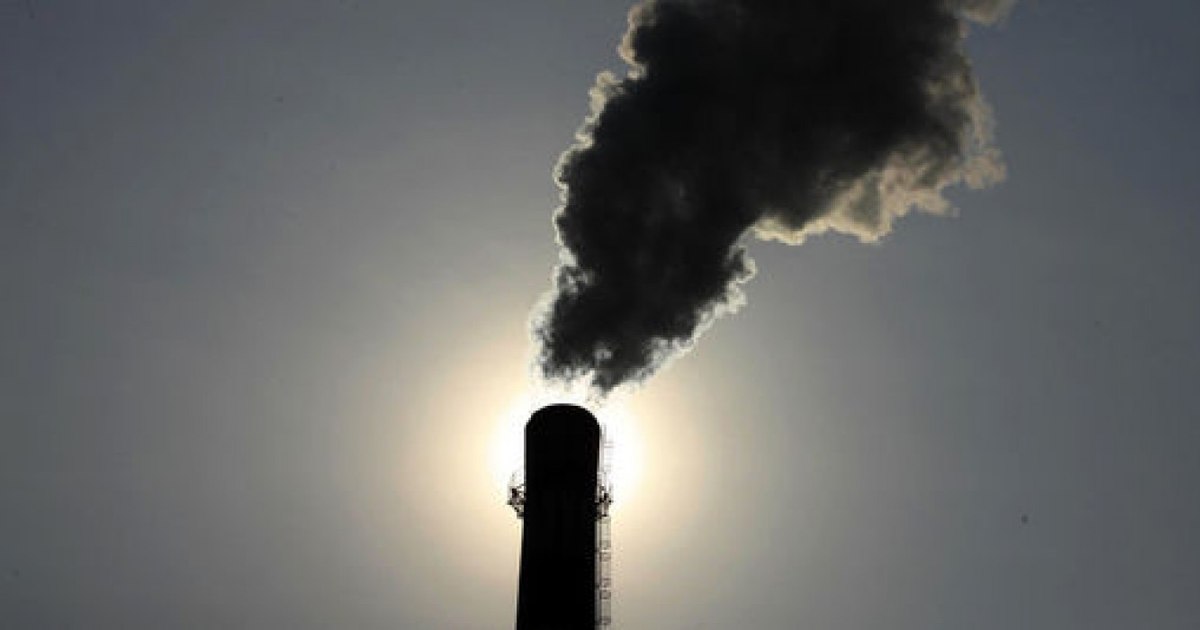
The new discovery made by scientists could save the planet. Photo AFP (Archive)
The material is made up of hollow molecules that can store greenhouse gases such as carbon dioxide and sulfur hexafluoride – a more powerful gas that can remain in the atmosphere for thousands of years.
Dr Mark Little, who led the research at Heriot-Watt University in Edinburgh, said the discovery may contribute to “solving society's biggest challenges”.
“Direct capture of carbon dioxide in the air is increasingly important because even when we stop emitting carbon dioxide, there will be a huge need to capture previous emissions that are already in the environment.
Planting trees is a very efficient way to absorb carbon, but it is very slow. So we need human intervention – such as man-made molecules – to capture greenhouse gases from the environment more quickly and efficiently“, Little said.
“An important step”
Greenhouse gases are among the main factors responsible for global warming and climate change.
They are similar to the walls of a greenhouse, retaining heat from the Earth's atmosphere. While carbon dioxide is released naturally, sulfur hexafluoride is a man-made gas that traps heat very efficiently.
The scientists used computer simulations to predict exactly how the molecules would come together in the new material, which Dr Little said could be improved in the future with the help of artificial intelligence.
According to Little, with the help of artificial intelligence, a “unprecedented supply of new materials” that can contribute to the solution of the most pressing challenges, without the need for them to be manufactured in the laboratory.
Dr. Little called this study “an important step” with a view to developing other materials and stated that molecules with complex structures could also be used to remove toxic compounds – so-called volatile organic compounds – from the air and could be of particular importance in medical science.
In addition to the Heriot-Watt researchers, scientists from the University of Liverpool, Imperial College London, the University of Southampton and East China University of Science and Technology were involved.
