
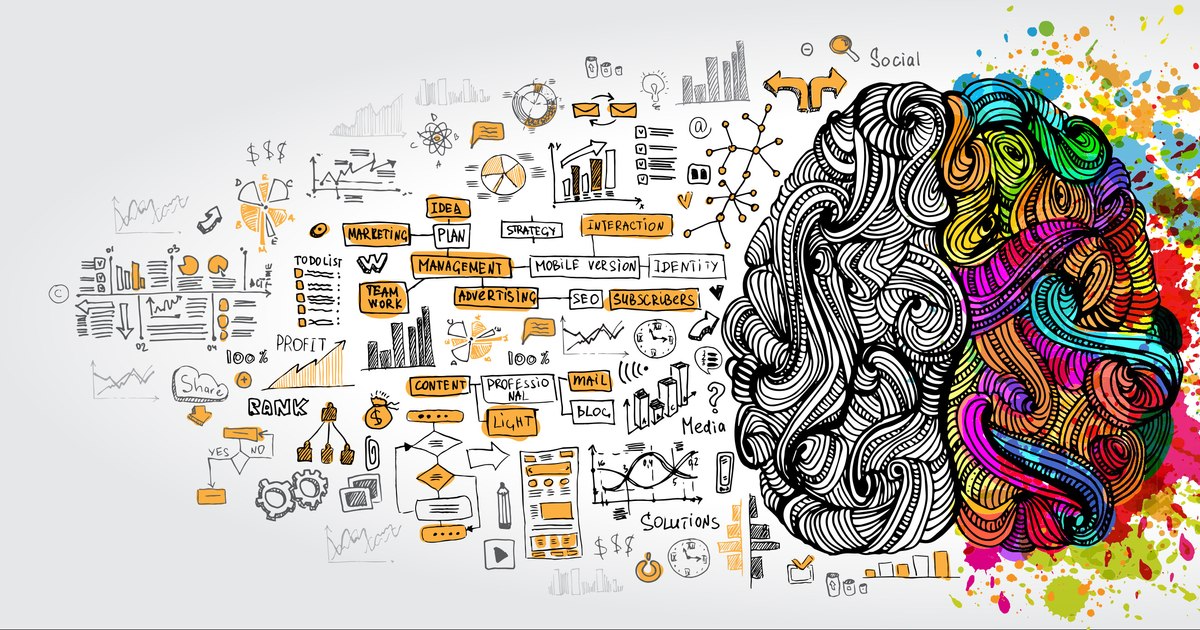
How the brain divides its daily experiences into “chapters” distinct, to be able to understand and remember them more easily, was the subject of a new research study.
The Fascination of the Human Brain Photo Shutterstock
The brain divides the day into distinct events based on the environment and a person’s current priorities or interests. This process influences how we perceive and remember our experiences.
For example, when we enter a restaurant, for example, the brain begins to register a new time of day, which leads to a significant change in the activity of this central organ of the nervous system. These changes occur constantly throughout the day as we encounter new situations, whether we’re going out to lunch, attending a soccer game, or relaxing at home.
Revelations about memory
But what causes the brain to divide the day into events that we can more easily understand and remember? This is the question that a study published in the journal Current Biology wanted to answer. The research team, led by Professor Christopher Baldassano and his colleague Alexandra De Soares, discovered fascinating things.
What causes the brain to create “chapters” in our experiences
Neuroscientists wanted to know what causes a brain to create “chapters” for the events we experience. One possibility is that these episodes occur following changes in the environment, such as entering a restaurant. Another idea is that the brain uses experiences to decide when to chart a new chapter, even when the changes around us are not relevant to us.
Sharing Stories: How We Choose What to Remember
To test these hypotheses, the researchers created 16 audio stories, each set in a different location, such as a restaurant or an airport, and dealing with situations such as a marriage proposal or a breakup. They found that the way the brain divides a story into chapters depends on what the subject cares about. For example, if someone is listening to a story about a marriage proposal, the brain will focus on those important moments.
Our Expectations: The Key to Understanding How We Remember
Researchers have shown that it’s not just the brain reacting to the environment, but that it actively organizes its life experiences in ways that are meaningful to us. They also plan to research how our expectations influence how we remember things.
Christopher Baldassano believes that the use of stories and mathematical analysis in research is essential to understanding human cognition and is an innovative method that brings him great satisfaction.
