
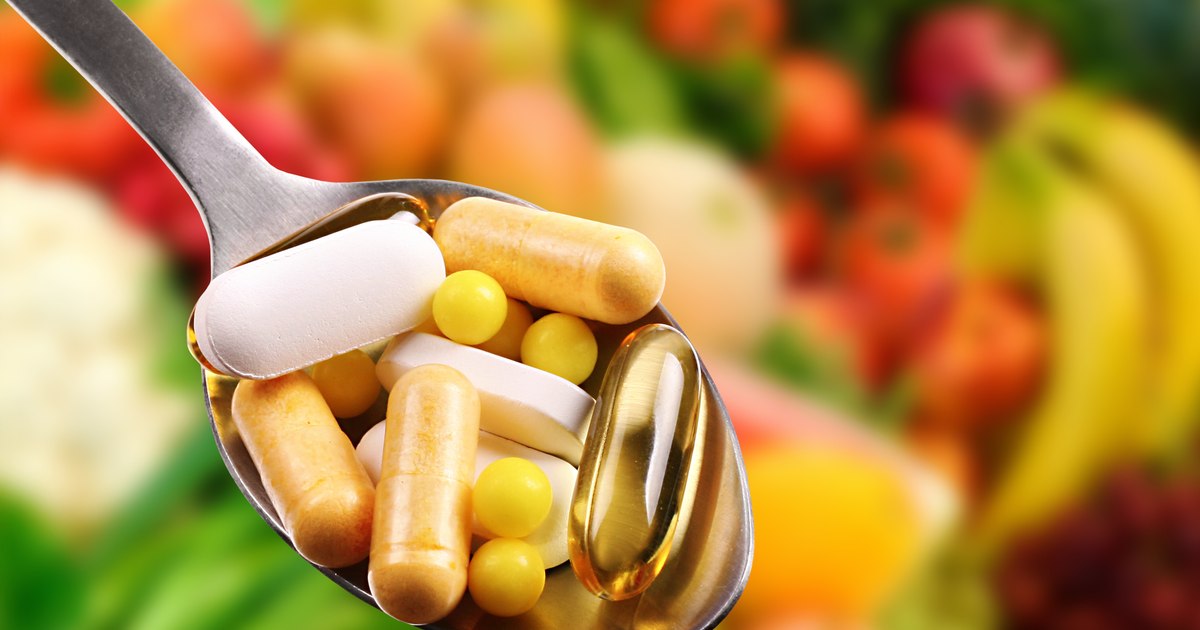
Taking multivitamins or other supplements is seen by many as an easy way to improve health. But are they really useful? Moreover, are they also associated with risks? Yahoo Life has published a list of questions you should consider if you are thinking about taking such products.
Most people do not typically need to take dietary supplements. PHOTO Shutterstock
Food supplements are concentrated sources of nutrients or other substances with a nutritional or physiological effect that can be administered to correct deficiencies or to support certain specific physiological functions.
They are released without a medical prescription, but the question that arises is whether they can be introduced routinely and without a doctor’s recommendation, just to have a “iron health”.
According to Yahoo Life, some recent research questions the benefits of these products. A new study of more than 390,000 American adults with no history of major chronic diseases could find no evidence that healthy adults who regularly take multivitamins live longer.
According to a 2022 review of more than 80 studies, taking multivitamins provides “little or no benefit” in preventing cancer, heart disease or death.
That doesn’t mean you have to give up on taking supplements for good. There are situations where multivitamins or other supplements can help improve your health.
Here are five helpful questions that can be addressed in a discussion with your health care provider to understand whether or not you should be taking dietary supplements:
Do you have a balanced diet?
Most people don’t normally need to take multivitamins if they eat a diet rich in vegetables, fruits, lean proteins, healthy fats and whole grains, Dr. Natasha Bhuyan, a family physician at One Medical – USA, tells Yahoo Life.
“It’s better to get nutrients from the food you eat than from a vitamin”she says.
The doctor mentions that if you’re trying to make up for not eating enough fish by taking fish oil supplements to get your omega-3s, you should think again. If your heart is healthy, fish oil supplements may be harmful.
According to one study, participants without heart problems who took fish oil had a 13 percent higher risk of developing atrial fibrillation, an irregular heartbeat that is linked to heart complications. Healthy subjects who took fish oil also had a 5% higher risk of having a stroke.
But the same study showed that people who already had heart disease and took fish oil had a 15% lower risk of atrial fibrillation.
So discuss with your doctor the possibility of taking such supplements!
Do you follow a vegan diet?
It’s good to know that some people on a vegan diet may need to take B vitamins.
Omega-3s are another concern for vegans and vegetarians, Dr. Patrick Fratellone, a cardiologist and integrative medicine physician in New York, tells Yahoo Life.
Are you immunocompromised or have certain health problems?
People who have a weakened immune system and are unable to eat a balanced diet should take multivitamins (A, B6, B12, folate, C and D3), suggests Fratellone, who recommends the liquid form.
People who have had certain stomach or intestinal surgeries, including gastric bypass surgery, should ask their doctor for a recommendation on supplements that may help, such as vitamin B12, vitamin D, and iron.
Are you trying to get pregnant?
Women trying to conceive should take folic acid daily. Folic acid is found in prenatal vitamins, most multivitamins, and stand-alone supplements.
The March of Dimes recommends that once pregnant, women increase this amount to 600 micrograms of folic acid per day to help the fetus grow and develop.
Timely, Fratellone suggests that when you’re trying to get pregnant, you talk to your doctor to see if you have normal thyroid levels, as well as enough iodine, B12, and vitamin D.
Are you going through menopause?
During menopause, women experience bone loss, which increases the risk of developing osteoporosis. Up to 20% of bone loss can occur during menopause. Women at this stage of life and those who are postmenopausal may benefit from taking vitamin D, which can reduce the risk of bone fracture.
Fratellone also suggests considering trace elements boron and calcium, also to support bones.
Regarding the recommended amount of calcium for menopausal women, this has been reduced, “because studies have found that the higher doses of calcium used in the past put women at risk of heart disease (as) the extra calcium was deposited in the arteries of the heart”says the doctor, according to Yahoo Life
Conclusion
Although it may seem beneficial to add multivitamins and other dietary supplements to your diet, consult a doctor first!
