
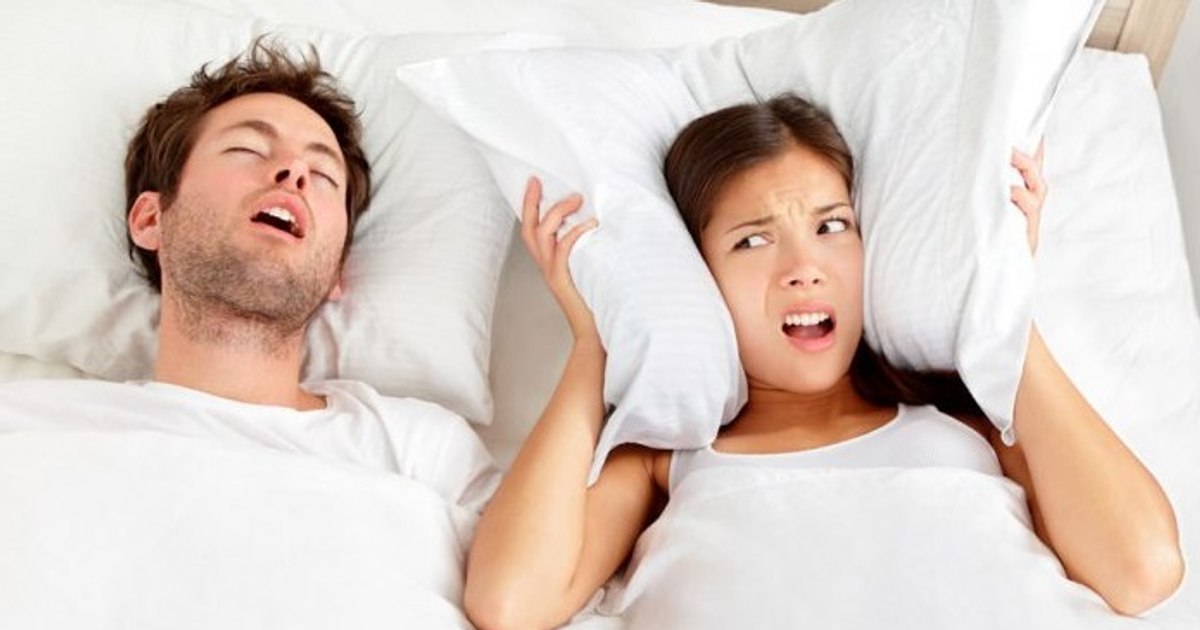
Sleep apnea is a dangerous condition that manifests itself by stopping breathing for at least ten seconds. Many people have this sleep disorder without knowing it, but there are some signs that should give us something to think about.
Five signs that identify sleep apnea – Photo Archive
Snoring is most often associated with this condition. For a diagnosis of sleep apnea syndrome, 15 cessations of breathing should be identified during one hour of sleep. But there are other signs, not so obvious, but they can indicate the presence of this dangerous condition.
Sleep apnea has been associated with smaller brain volume, damage to white matter communication pathways in the brain, and even a three-fold higher risk of dying from any cause, CNN writes.
When left untreated, obstructive sleep apnea puts sufferers at greater risk of high blood pressure, heart disease, type 2 diabetes, depression and even premature death, according to the American Academy of Sleep Medicine.
Many people are unaware of snoring, which can go undiagnosed for years. It is essential to inform partners or people we live with about this problem to encourage them to seek specialist help.
Most often, sleep apnea syndrome occurs in middle-aged and elderly people. According to an article by the Queen Maria Private Health Network, most patients are men, smokers and suffer from high blood pressure.
“More than 30 million people have sleep apnea in the United States, but it’s often underdiagnosed or misdiagnosed“, emphasized sleep specialist and pulmonologist Dr. Raj Dasgupta, associate professor of clinical medicine at the University of Southern California Keck School of Medicine, quoted by CNN.
According to pulmonologist Dr. Raj Dasgupta, this condition is “misdiagnosed in women versus men because women do not exhibit the classic, heroic snoring that men often exhibit“.
The sleep specialist tells us what are the five strange signs of obstructive sleep apnea that you should be aware of.
Night sweats
Although there are many reasons why people may sweat at night, such as if the room is too hot or due to other diseases and treatments, research shows that about 30 percent of people with obstructive sleep apnea report night sweats, according to Dr. Dasgupta.
“Because your body isn’t getting enough oxygen, you fall into this “fight or flight” mode, which triggers night sweats. The research showed that people with apnea who had night sweats were also more likely to have very low oxygen levels in addition to having obstructive sleep apnea“, explained the sleep specialist.
Frequent awakenings
Another sign that could suggest this condition is waking up at least twice a night to go to the bathroom, according to the expert.
Many people wake up at night to urinate, and this can be caused by excess alcohol, diabetes, edema, high blood pressure, certain medications, pregnancy, prostate problems, and even drinking too much fluid before bed, according to the Cleveland Clinic .
But waking up at least twice a night to urinate, which is called nocturia, is more of a sign of sleep apnea.
“One study found that about 50% of sleep apnea patients had nocturia and noted that treatment for the sleep disorder reduced the number of awakeningssaid pulmonologist Dr. Raj Dasgupta.
The doctor points out that in sleep apnea screening questionnaires, this sign is often not taken into account.
Teeth grinding
Bruxism, characterized by teeth grinding, rubbing or clenching, can be another sign of obstructive sleep apnea.
“Anxiety and other factors can certainly cause bruxism, but a common cause is obstructive sleep apnea. There is a theory as to why: the airway becomes blocked, so the muscles in the mouth and jaw move to try to clear the blocked airway. This has not been proven, but it is an interesting hypothesis.“, stated the pulmonologist from the University of Southern California.
People who suffer from bruxism use devices recommended by dentists for protection, but they do not protect the jaw as well, which can cause pain in the temporomandibular joint and subsequently headaches, warns Dr. Dasgupta.
Morning headaches
Research shows a link between having obstructive sleep apnea and waking up with headaches.
“They usually occur daily or most days of the week and may last several hours after waking up in the morning. The cause of headaches is not well established and may be multifactorial“, explains the pulmonologist.
Although headaches caused by obstructive sleep apnea do not seem to lead to nausea or increased sensitivity to light and sound, they are characterized by a feeling of pressure on both sides of the forehead that lasts about 30 minutes, according to a study in June 2015.
Depression, fatigue and insomnia
Mental health problems, brain fog, or other sleep problems can also be signs of obstructive sleep apnea.
“Sleep affects our ability to think, react, remember and solve problems. Women in particular tend to underreport atypical symptoms such as insomnia, fatigue, and depression.“, states the sleep specialist, Dr. Dasgupta.
Frequent awakenings and difficulty falling asleep may suggest that we suffer from insomnia, but they could also be caused by sleep apnea.
Tiredness during the day, lack of motivation to carry out daily tasks, lack of productivity at work, memory problems and a low interest in socializing, can all be signs of this condition, the pulmonologist warns us, although they are also , signs of depression.
The expert says that if these sleep problems are not brought up at a medical visit, the underlying cause may be missed.
To establish the diagnosis, the following investigations can be done: Flexible endoscopywhich highlights nasal, pharyngeal and laryngeal pathology or Polysomnographywhich evaluates various parameters during sleep, according to a private medical clinic in our country. Patients with sleep apnea typically see a doctor when they experience symptoms such as daytime sleepiness, sleep apnea, morning headaches, mouth breathing, weight gain, irritability, depression, insomnia, or sexual dysfunction, according to the source cited earlier. .
