
The media from Romania, Bulgaria, Greece and Italy contribute to the discrimination of Roma and nomadic communities, incite hatred, portray them negatively through stereotypes and prejudices. Televisions, through the materials they broadcast, managed to spread the idea that Roma are violent, uneducated, poor, backward and criminals. These are the worrying conclusions of a study carried out by the Council of Europe, which also includes a series of recommendations in this regard.
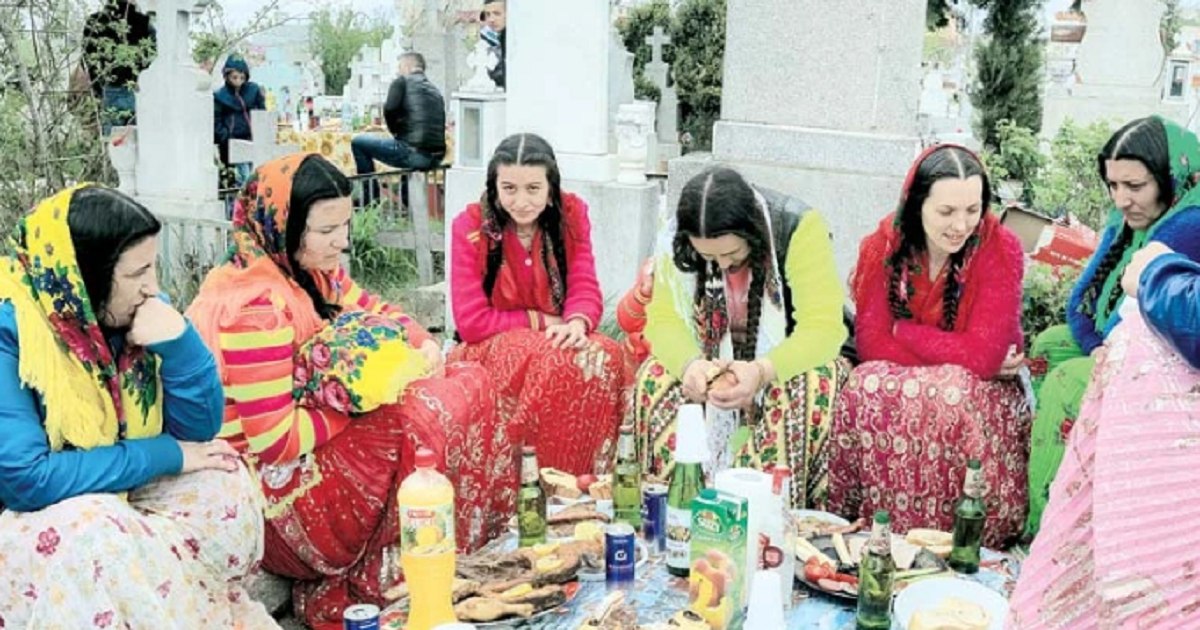
The Romanian press contributes to ethnic discrimination. Susa photo: archive
As part of the analysis, at least 20 materials with and about Roma broadcast between January 2022 and April 2023 on different television stations were tracked. The bottom line? The mass media managed to implement prejudices and erroneous ideas in the collective mind, taking the inequality of opportunities and discrimination to new heights, further widening the gap between the majority population and the ethnic Roma.
Bulgaria, Greece, Italy and Romania prohibit hate speech and discrimination against the Roma, but the media in these countries continue to portray them negatively through stereotypes and prejudices, the Council of Europe claims. He believes that the media presents the Roma as violent, uneducated and backward and, in addition, tends to focus on crimes or their precarious material situation.
Journalists, trained to recognize and avoid discrimination
The study aims to answer essential questions about how the Roma are represented and described in television programs and if there are initiatives, practices or ways to combat hatred towards them promoted through television.
“The subject is a very complex one, and the problem of discrimination lies in the hands of the authorities, non-governmental organizations, all the communities involved and the whole society. The solution requires concentrated efforts from everyone”, psychologist Elena Dobre, who is of Roma ethnicity, declared for “Adevărul”. “We forget that we also have Tatars, we also have Hungarians. And they are not talked about with so much pathos, really”, admits the specialist who comes in turn with a series of tips and recommendations for media institutions. “From my point of view, it would be desirable for the information to be presented by journalists in a manner that does not discriminate. I believe that journalists would need to be well trained in this regard through a series of trainings, courses, workshops organized and presented by specialized, trained ethnic people. These values should also be implemented at the curriculum level. I mean the students who could learn from the school benches how to present an information in such a way that it does not discriminate. Journalists should have access to training programs that help them understand the culture, history and issues faced by Roma people, both within Roma communities and at the macro level.”
But, the psychologist continues, this vision should be imposed at the level of the press organization. “Media institutions should adopt codes of conduct, certain professional standards, even clear rules against discrimination and the use of negative stereotypes.” But, points out Elena Dobrin, these rules should not just be put on paper. Compliance with them should be carefully monitored and violations penalized. “I mean here including the gestures, facial expressions, tone of voice of those who appear on television and talk about the Roma. I mean those who present the Roma community in a negative way. We want real stories, indeed, but also positive materials, with an emphasis on this area of belonging”.
Another recommendation of the psychologist concerns the promotion of diversity by the mass media. “As the Day of Hungarians exists, why not promote it in the press and Roma Day, which is celebrated on April 8? Then let’s not forget the fact that people of Roma ethnicity hardly find a place among the journalists of a newsroom. More ethnicities should be employed in the media. And one more aspect, by the way: in Romania there are many students with exceptional results who, once they have left the faculty, cannot find a job. And not because they are poorly prepared, but only because they are Roma. We should be helping these children, not rejecting them.” Elena Dobre believes that final year students should benefit from mentoring internships. “It would be an impetus for them to follow their dream career, in journalism for example”.
Recommendations of the European Commission
Although there have been some efforts to increase the positive representation of Roma in the mass media, these are rare, notes the European Commission in the study. Therefore, the recommendations of European officials aim to combat the negative representation of Roma in the media. These recommendations include strengthening the capacities of regulatory bodies to fight against hate speech, sensitizing media workers, avoiding unfavorable generalizations, giving Roma the possibility to be represented in the mass media, highlighting some positive examples of Roma contributions for society, including more Roma voices in the press and in news reporting, as well as avoiding dehumanizing language and the presentation of Roma as a homogenous group.
Psychologist Elena Dobre believes that there would be a need to organize extensive anti-discrimination campaigns. “The media can, if it wants to, educate the general public, explain the negative impact of discrimination, promote tolerance and respect, promote the Roma community fair, fair, just”, the specialist also declared.
Combating anti-Semitism and xenophobia: Romania’s strategy for 2024-2027
The Romanian government recently launched the National Strategy for the prevention and combating of anti-Semitism, xenophobia, radicalization and hate speech for the period 2024-2027, promoting dialogue and solidarity in Romanian society.
“Romania, as a democratic state, is characterized by balance, responsibility, dialogue, solidarity, respect for human dignity and essential values. Anti-Semitism, xenophobia, radicalization and hate speech are threats that can structurally affect society by eroding respect for fundamental rights and freedoms. Developing societal resilience to these dangers requires a complex approach and a solid partnership between the state, civil society and academia. The Government of Romania firmly maintains its commitment to oppose anti-Semitic, xenophobic, extremist and hate-inciting actions and manifestations and any attempt to divide Romanian society”Deputy Prime Minister Marian Neacșu declared on this occasion.
Under the Strategy for the period 2024-2027, the general objectives include preventing and combating anti-Semitism, xenophobia, radicalization and hate speech, promoting inclusive education, supporting knowledge of Jewish culture and supporting these efforts at the international level. The launch event was marked by the participation of government officials, representatives of the Jewish community and international partners, emphasizing the importance of cooperation between various sectors for the effective implementation of the strategy.
