
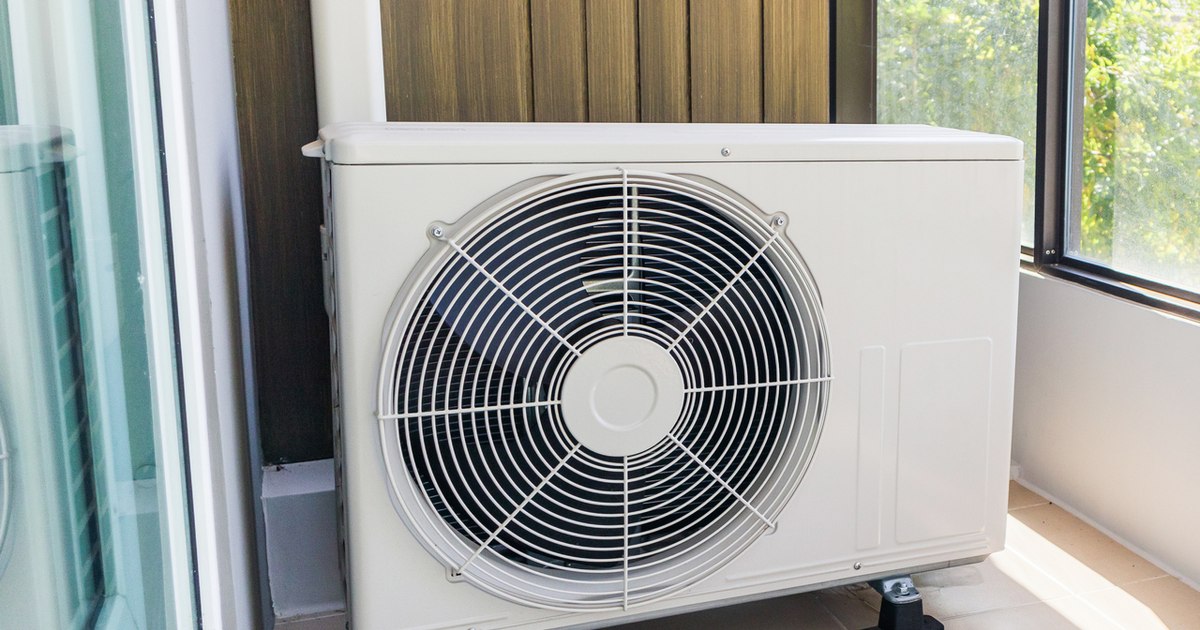
In order to optimize heating and electricity bills and achieve greater energy independence, comprehensive solutions combining photovoltaics with central heating of the home based on heat pumps are increasingly common. How does this combination work in practice and is it beneficial?
The principle of operation of a heat pump
Heat pumps have become increasingly popular among heating solutions in recent years. Although they are most often used in the construction of new homes, they are also installed during the thermal modernization of existing buildings. This type of devices use the principle of the thermodynamic cycle for heating, where heat is transferred from one place to another. It works on a similar principle to that of refrigerators, but in the opposite direction.
Therefore, heat pumps are very energy efficientbecause it transfers heat rather than generating it by burning any fuel (eg gas, coal, wood, oil or pellets), becoming a popular solution in heating and cooling systems due to its efficiency, environmental friendliness and versatility.
Heat pumps – types
The basic types of heat pumps are air, ground and water heat pumps. This division is related to the type of heat source. Choosing a certain one type of heat pump it depends on local conditions and investor preferences. For example, ground pumps require more excavation and are usually more expensive to install than air pumps, but can provide greater efficiency.
Heat pumps also differ by technical parameterssuch as heating power, COP coefficient (the ratio between the amount of thermal energy supplied by the pump and the electrical energy consumed by it), which indicates the efficiency of the pump, as well as the working temperature range and noise level, dimensions and finally energy consumption.
Heat pump and photovoltaics in practice
Combining a heat pump with photovoltaics allows you to use solar energy to power the heat pump. to connecting photovoltaics to a heat pump, you can use a direct connection of the DC circuits from the panels to the pump, or you can use an inverter that will allow you to distribute the energy from the photovoltaic installation for the needs of the entire home. Choosing the right configuration depends on the individual requirements and the power of the plant. The key element here is the correct design of the entire installationwhich will meet the energy needs of the building and ensure full compatibility of both systems.
Heat pumps combined with photovoltaics – why is it worth it?
Combining a heat pump with a photovoltaic installation brings many benefits. First and foremost is the significant reduction in heating and electricity costs, offering savings of 30-60% compared to traditional heating systems. In addition, the design allows for greater energy independence.
It is also worth noting that a photovoltaic heat pump is a double ecological solution, because the electricity to power the device also comes from renewable energy sources, such as photovoltaic panels. In addition, the surplus energy produced by the panels can be resold to the grid, which brings additional financial benefits.
