
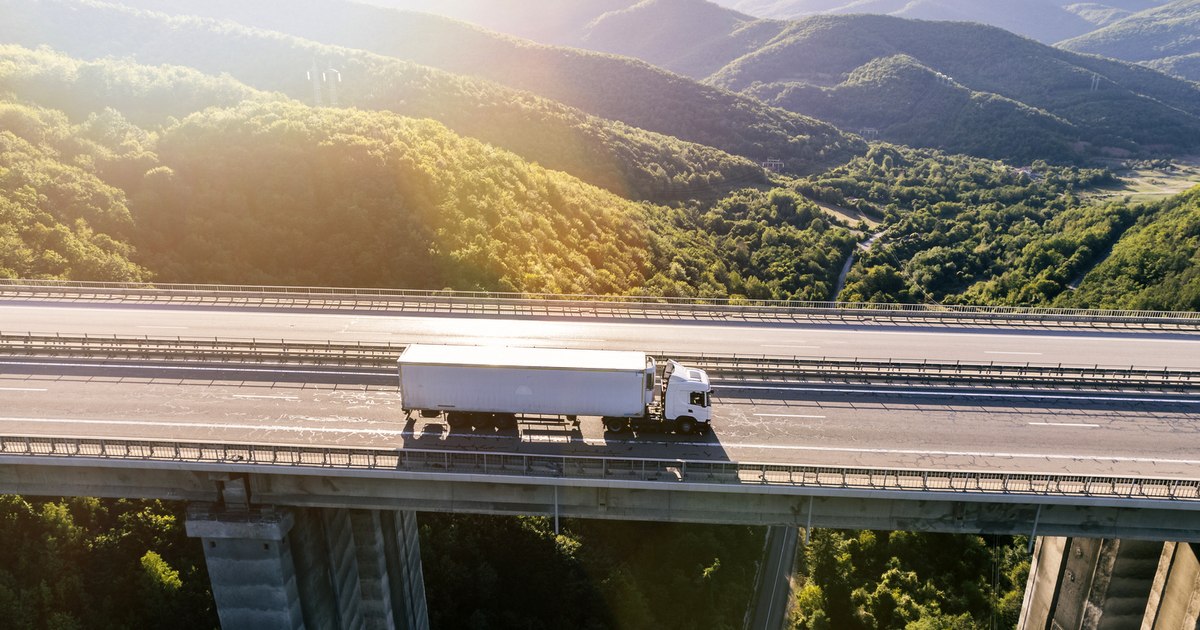
The European Union is facing a shortage of professional drivers, but the job remains less attractive to young people. Although the salaries are satisfactory, working hours are often an impediment in choosing such a job.
The latest report published by the International Road Transport Union (IRU) shows that in recent years the European Union has faced a pressing challenge in the road transport sector: a severe and growing shortage of professional truck and bus drivers.
“This shortage is not limited to certain Member States, but affects the entire Union. The EU already has a shortfall of over half a million drivers, and this could exceed one million in the next three to five years if no action is taken. Currently, the average age of truck and bus drivers is around 50. Over a third are 55 or over, and less than 5% are under 25. The profession is facing a high number of retirements, which exceeds the entry of young people into the field”, shows the study developed by the IRU on behalf of the European Commission.
The analysis shows that while attracting young people and women remains a priority, their cumulative participation still represents less than 10% of the total workforce, increasing pressure on supply chains, reducing transport capacity and jeopardizing essential public transport services.
“Solving the driver crisis requires a broad and long-term approach. The IRU is working to attract more women and young people into the profession, while supporting the safe and well-regulated mobility of drivers from outside the EU. Recruitment from third countries can complement domestic solutions, provided they are based on clear procedures, fair conditions and common standards at EU level. There is no one-size-fits-all solution, but through the right mix of measures, the EU can build a workforce resilient and sustainable in the field of road transport”said the IRU director for the EU, Raluca Marian, according to the press release sent on February 18.
More than half of European haulage companies are unable to expand their businesses because they cannot find skilled workers due to a shortage of truck drivers, transport representatives say.
Young people less attracted to working hours
Romania needed almost 23,000 jobs in transport in 2023, IRU also informed. However, as in other European countries, many young people in Romania are less attracted to the job of professional driver. The IRU report shows that 5.5 percent of professional drivers in Romania are under 25 years old.
Some young job seekers say they avoid hiring drivers because of the program.
“I didn’t accept a driver’s job for 5,000-6,500 lei net, from seven in the morning to six in the afternoon, five days a week, a week with Saturday and Sunday off, a week with Monday and Tuesday off. It would have meant starting at 6 in the morning and finishing at 6:30-7:00 p.m., strictly work and roads, five days a week, 5,000-6,500 lei net, with no other bonuses and no real possibility of advancement. I’m still not starving and have a place to stay, and the program doesn’t give you much after you finish the job.” claims a young man on the Reddit platform.
Other Romanians say that they adapted to such a program, but when it was extended, they could no longer resist.
“I worked as a driver from 6 in the morning until 4 in the afternoon and it was pretty good. But if I had a schedule until 7 in the evening, I don’t think I would have lasted more than two months. And so I would come home extremely tired after a day’s driving”says a netizen.
However, some Romanians claim that they are satisfied with the salary they receive and overcome fatigue.
“Nowadays, driving is a great way to raise money fast,” states one of them.
In the West, the salaries expected by Romanians are much more attractive, someone else adds. However, there are also reasons for dissatisfaction.
“In Ireland I get €1,000 a week. But the more I earn, the more I spend to make my dreams come true.” he states.
Risks and rewards in driving
But the West also brings additional risks for carriers.
“I had a transport that I was waiting for at work; the driver was gassed in the parking lot in Germany and robbed of all the cargo. It was on the bridge, for sure. There are always risks like that, no matter what country you are in. But if you don’t take the breaks yourself, in the field, the chance of it happening is very small.”someone else adds.
Another Romanian says that, being a truck driver, he went through numerous incidents caused by thieves. He states that he is only afraid of violent aggressors, but is prepared to react if he is put in danger.
“As a general rule, if they steal from the trailer or gas from the tank, I leave them alone and assess the damage after they leave. If they touch the cab, I start the engine and drive away, even if they are hanging on to the mirrors”claims a driver.
A professional driver says he works in the Netherlands and managed to collect 20,000 euros in one year. Romania is less competitive than the West in terms of salaries for drivers.
“I am a truck driver in Norway. I also had monthly earnings of almost 7,000 euros. In the last 11 months I saved 30,000 euros,” claims another driver.
Another IRU report, published in 2025, shows that the majority of truck drivers in Europe are satisfied with their jobs. However, as drivers get older, the level of satisfaction decreases.
