
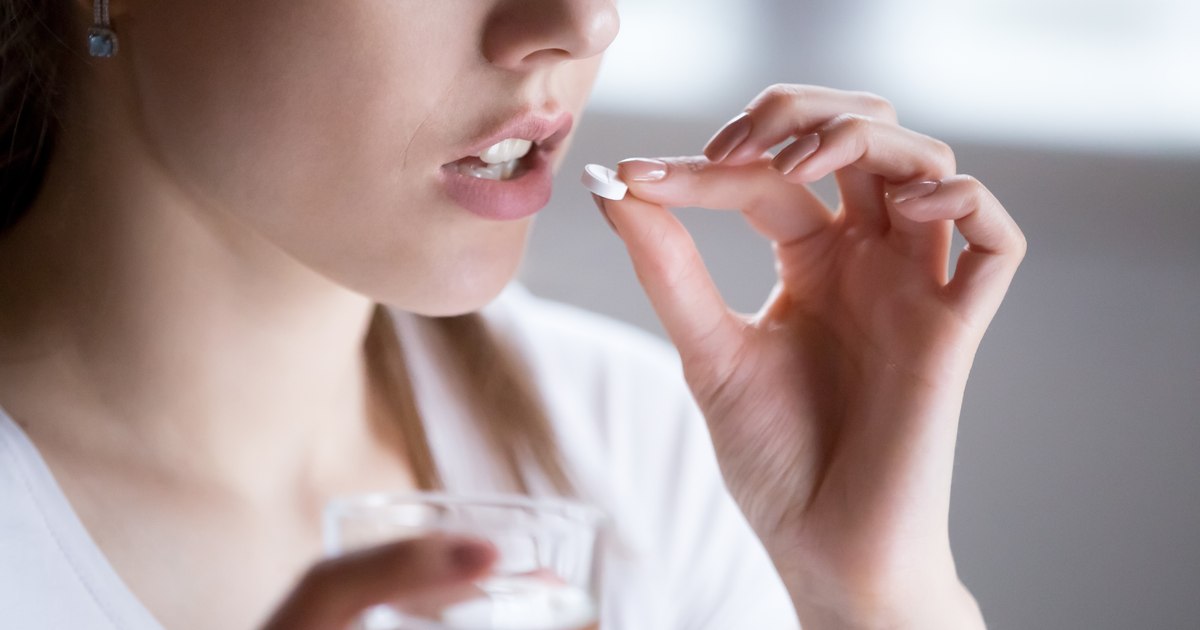
Cough, headache, fever, general malaise… these are just some of the symptoms that, most of the time, send us to the medicine drawer. Each of us has various stocks at home for emergencies. But, draw the attention of specialists, self-medication is not indicated. On the contrary! A simple aspirin, a paracetamol or an ibuprofen taken behind the ear, very often or in too large quantities, could do us more harm than good.
Let's not fool ourselves! Common drugs also carry great risks. Photo source: archive
Those who have the curiosity to carefully read the leaflet of medicines that are dispensed without medical prescription will have a big surprise. Many of these, although they are considered trivial, have, in addition to contraindications, adverse effects that can endanger our health and even our lives. Therefore, not only antibiotics should be administered sparingly, but also a common paracetamol.
Medicines for colds, for example, taken very often, including for prevention, act directly on the bacteria in the gut which, over time, they destroy. Consequence? The self-medicating person might get rid of a cold, but they could end up with another condition, a serious one this time: leaky gut syndrome. And from here to the appearance of serious diseases is only one step. We are talking about a general intoxication of the body caused by the permeability of the intestinal mucosa that allows unwanted substances to penetrate through the intestinal wall into the blood and lymph. “These foreign particles trigger a sustained immune response, and the chain reactions that follow trigger both localized intestinal inflammation and a general inflammatory response. If the disorder persists, the inflammation becomes chronic, and from this to degenerative diseases is only a step”explains family doctor Mariana Olingheru.
High doses of paracetamol, nurofen or aspirin can affect the stomach, liver, but also the kidneys, continues the idea and family doctor Mihai Mara. “The liver has the role of processing these drugs, and a larger amount than needed can trigger various liver diseases. Stomach diseases are not excluded either. Anti-inflammatories irritate the stomach lining and we can wake up with gastritis or even ulcers that could send you straight to the hospital bed”.
Doctor Vasi Rădulescu also sounds the alarm. It warns parents about the danger of aspirin which, administered to children, can trigger the so-called Reye's syndrome, an extremely serious condition that puts the little ones' lives at risk. “Do not give aspirin to children under 18! With salicylates, children can develop Reye's phenomenon, with serious damage to the liver, kidneys, brain and high risk of death. Beware of any other preparation that contains salicylates, including canned goods that may have such. The fever is reduced with paracetamol or ibuprofen, with auxiliary measures (colder packs), with effective control of the underlying condition. Not with aspirin in children! Try not to give paracetamol and ibuprofen at the same time, as they can add to the side effects. Go with what works, just one anti-thermic agent, not both”.
If we keep taking pills, at least we do it head on
Romanians are champions of self-medication and take pills with their fists. They prefer to treat themselves as they know, not as the doctor says. Until recently, antibiotics were taken as if they were simple candy. Now, after these have been restricted and are no longer available except with a medical prescription, Romanians have turned to the usual medication, available to anyone. And this, says doctor Mihai Mara, would not be a problem as long as we treat ourselves correctly. “The point is that we should only take these drugs when we really need them. Not anytime, not anyway and in no case preemptively. Then, we should turn our attention to those drugs prescribed by the doctor in the past and which were well tolerated by the body. Which we know have done us no harm. Obviously, we must respect the dose prescribed on another occasion by the doctor or the one recommended by the pharmacist. Because if you need a paracetamol a day, but you take five pills, it's not right”.
The doctor recommends that we keep a balance in terms of self-medication. “Now that doesn't mean you can't take an aspirin. That's not the problem, that you take this pill. The problem comes when you take too much, too often, at every opportunity, at every little pain. There are people who take preventive medicine, just because they felt that the electricity went out on the bus or they were a little cold when they went outside”.
Doctor Mihai Mara recommends not to go to extremes. “If you know your symptoms, you know you have a cold, you know what was prescribed to you last time you had a cold, it is normal to take the same treatment. However, if after a week you notice that it is not working, you must see a doctor”.
The bottom line? Even seemingly harmless drugs have side effects, and these, once installed, come with a lot of new conditions or complications. “A medicine that is indicated for one person could be harmful for another. Therefore, if someone tells you to take a certain treatment, it does not mean that it will work. On the contrary!”explains Dr. Mihai Mara.
What would be done? First of all, let's be responsible, let's think twice about the risks we expose ourselves to, let's not go with the idea that nothing can ever happen to us. Second, if we decide to treat ourselves, we should do so only after we are 100% sure of the condition we are suffering from. Let's not forget that many diseases, from the mildest to the most serious, sometimes present the same symptoms. A headache can be caused by dehydration, but also by a tumor. Therefore, it is easy to make confusions. Thirdly, experts say, we should pay more attention to natural medicines that do not have adverse effects. “If we have a cough, for example, bee honey could help us, up to a certain point, as well as a syrup from the pharmacy”, is Dr. Mara's opinion. It's about being able to treat our colds without destroying the medicine cabinet. “Honey, a warm tea, maybe some vitamin C could help us a lot in mild cases – we're not talking about serious conditions here.”
