
Nearly 900 million phishing attempts through which cyber criminals steal the data or money of the Internet users were discovered by specialists in 2024.
Nearly 900 million phishing attempts were discovered last year
Over 893 million phishing attempts in 2024 were discovered by specialists, an increase of 26% compared to 2023, when the total was almost 710 million. The growth of attempts during the May – July is traditionally related to the holiday season, when fraudsters frequently try to attract trips with scams that involve fake reservations for airlines and hotels, misleading tourist packages and too good offers to be true.
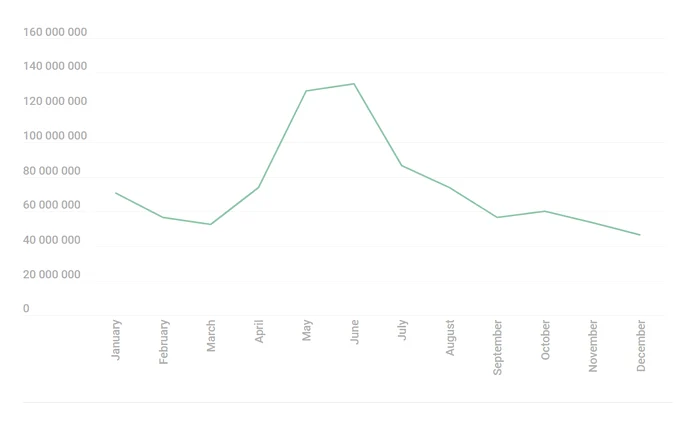
Click attempts on phishing links, discovered by Kaspersky Security Solutions, 2024
The scammers have also used the news in trends
Experts have noticed a number of phishing and scam schemes targeting data or money and installing malicious software. In 2024, cyber criminals often imitated the websites of well-known brands such as Booking, Airbnb, Tiktok, Telegram and others. An ongoing campaign, for example, targeted Tiktok Shop users. Cyber criminals have created fake connection pages designed to steal sellers’ credentials. In addition, the scammers used the news in trends, orchestrating fraud schemes that involve Hype topics, for example the Kombat Hamster Cryptomonede Game and Ton wallets.
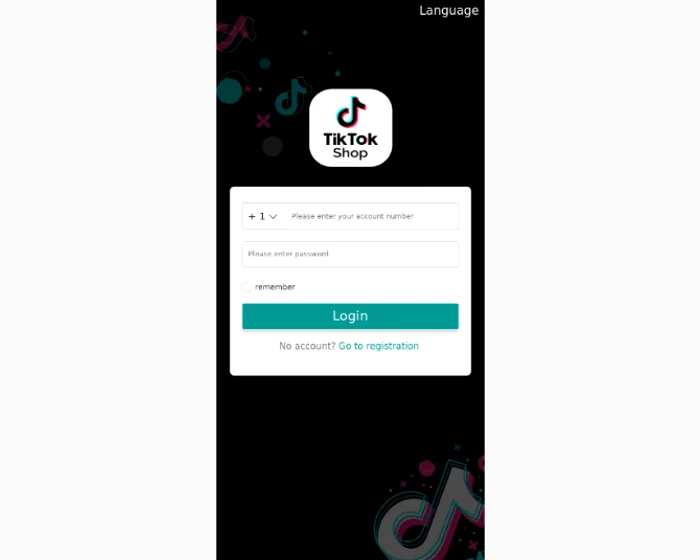
Example of phishing in Tiktok Shop
The fraudulent schemes have also tried to capitalize on false images of celebrities, falsely promoting Giveaway with valuable prizes for fans, which have never been delivered. The trend persists in 2025.


Examples of false posts of celebrities on social networks
According to Kaspersky data, in 2024, both individuals and corporate users received over 125 million times evil documents and links.
Cyber criminals have used various tactics in the e-mail campaigns that target companies, as experts have observed. They included sending emails with password protected archives that hide malicious content and SVG images disguised in harmless graphs, as well as many other schemes. The attackers attracted the victims to click on the malicious content by false courts, false offers, counterfeit official notifications and many more.
Almost every second e-mail sent to corporate messengers-47% of global traffic, marking an increase of 1.27 percentage points compared to the previous year-was Spam. While spam includes different e-mail threats, including those mentioned above, it is not always malicious and consists of mostly unsolicited advertisements. Experts notice that the tendencies of the corporate spam of the last year present prominent advertisements for AI solutions, related web seminars, online promotion services, schemes for the number of followers and many more.
