
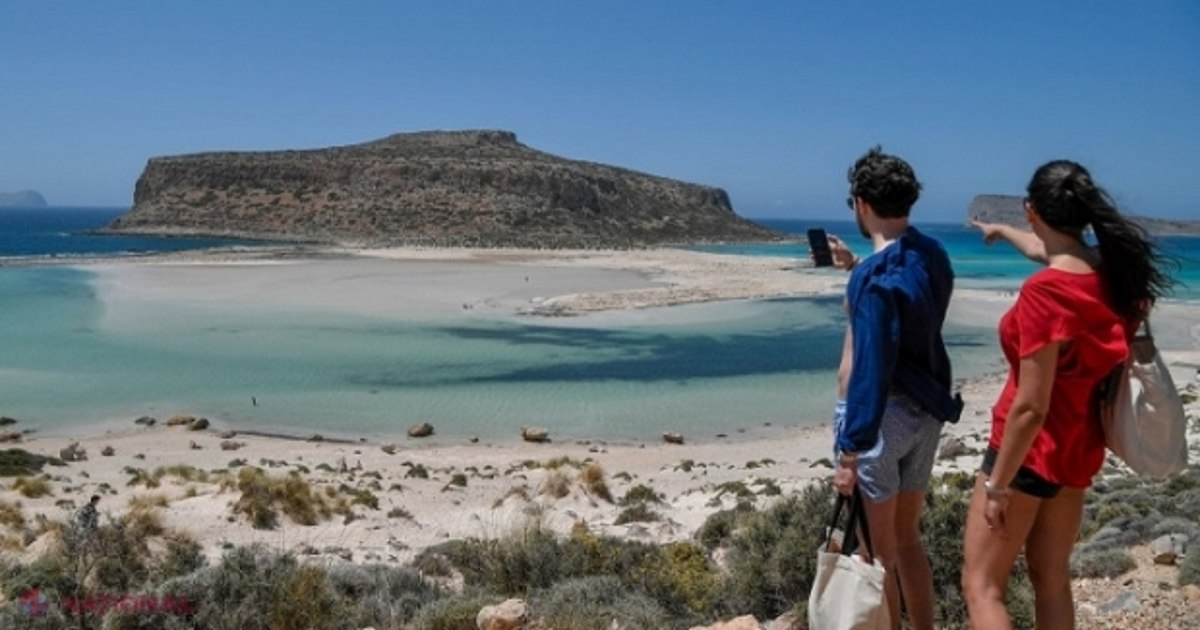
For regular outdoor enthusiasts and hikers in Greece who understand the demands of hiking, the recent disappearances of tourists on the Greek islands and the deaths of five visitors since the beginning of June is not an unusual phenomenon that characterizes this summer.
Despite the – indeed, unprecedented – number of deaths in a short period of time, tourists lose their lives every year doing seemingly simple outdoor activities.
“We do not know the particular circumstances of each of the incidents to draw a general conclusion”, editor of the hiking magazine Anevenontas (Climbing) and experienced hiker and climber Miltos Zervas told Kathimerini. However, he notes that all the deaths have occurred on islands, where in recent years there has been an emphasis on hiking activities, but as a result, there is not enough information about the possible risks.
“Recently, on many islands such as Sifnos, Kythera, Karpathos and Crete, trail networks have been developed, not because there are necessarily hikers there, but to extend the tourist season. However, we are probably inviting people to walk the trails without informing them in advance of the difficulties they will encounter or warning them to avoid them in the summer months“, he says.
“Last year and the year before, tourists died on the E4 hiking trail in southern Crete, which I have also hiked, I am trained and know the terrain. And as I went in early May with a friend of mine, we found ourselves wondering, “How are we going to get through this heat wave?” The heat exhausts you without realizing it. And at some point you reach a dead end, in terms of physical condition,” Miltos Zervas also explained.
It is no coincidence that these incidents concern exclusively foreign visitors. “The locals don’t go out anywhere in the middle of the day. Between 2 and 5 pm there is not a soul outside”, says Zervas. “Humans have developed a code of behavior in relation to their natural environment that a visitor can defy if their attention is not drawn. Anyone can stumble very easily.”
“Hiking in the summer on an island, where you are exposed to the sun, has certain requirements”says for Kathimerini Lefteris Trikiriotis, mountain guide and member of the North Aegean Region trails committee.
“Proper footwear, proper nutrition, continuous hydration, carry electrolytes especially if you are of a certain age, inform the hotel, have your GPS on. Since we cannot expect our visitors to be conscious hikers, we must acquire a communication strategy. Let’s have, for example, information points on all the islands, for any activity”, says the climber.
The responsibility lies with both the visitor and the destination, says Trikiriotis. “In Greece we still sell ‘sea, sex and sun’, but walking on the beach is one thing and outdoor activity is another. Greece is basically a mountainous country with a large proportion of mountainous terrain. But we don’t tell foreigners this and they think islands are playgrounds“, he explains. “Islands, however, are mountains. They may not have altitude, but we have difficult terrain and in the summer we have weather conditions that cause excessive fatigue. Whoever starts an activity with incomplete information has committed the first big mistake”.
Among the best practices that should precede any hike is a briefing from the local climbing/hiking club or other relevant professional – certainly not “from the lady who rents him a room on her roof“.
“Accommodation owners should not provide such information. Everyone gives information about everything without realizing the responsibility they have. In a country where many of us work in tourism, our tourism education is zero”, says Trikiriotis.
