
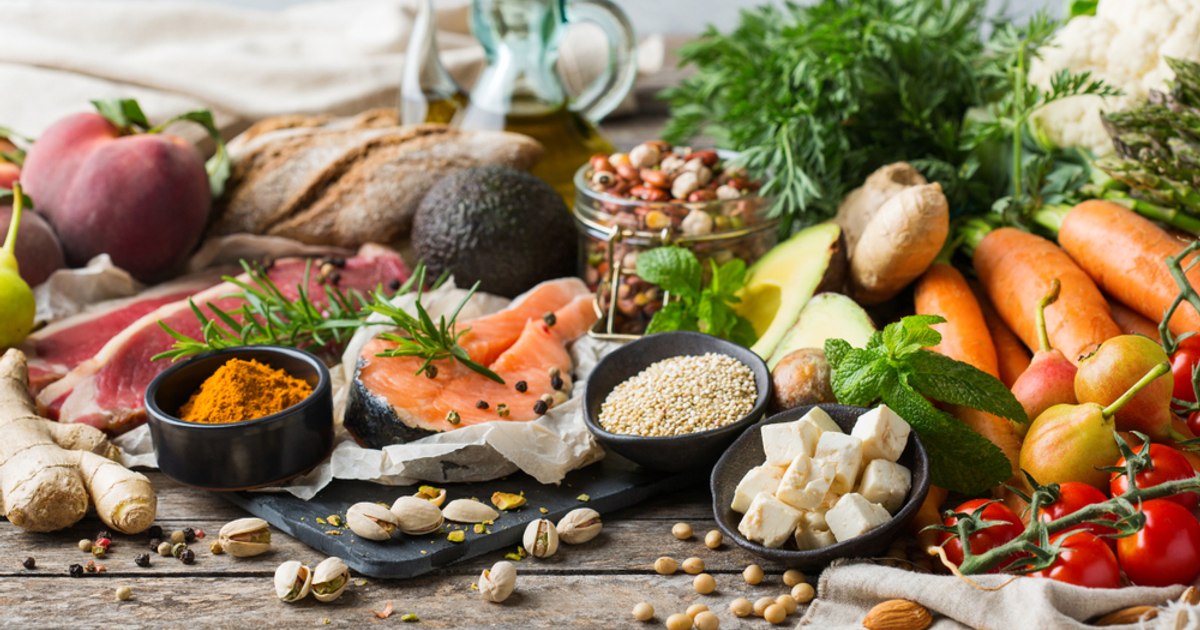
Balance, diversity and moderation are the elements of a healthy lifestyle. “Simply eliminating animal products from our diet is far from the miracle solution for our health“, claims nutritionist Mihaela Bilic.
The Mediterranean diet is recommended by specialists PHOTO: SHUTERSTOCK
“In the past, being a vegetarian was viewed with suspicion, and people who didn't eat meat were considered strange, meat being considered a privilege of the wealthy. Nowadays it has become fashionable to be a vegetarian – from Hollywood actors to religious sects, everyone wants to stand out by eliminating animal products from their diet. Is it healthier to be a vegetarian? All studies have shown a decrease in the incidence of chronic diseases with this type of diet. What these studies have failed to demonstrate is that the benefits occur solely due to the elimination of animal products from the diet. The same positive effect is obtained by simply reducing the consumption of meat and significantly increasing the consumption of vegetables, fruits and cereals“, writes Dr. Mihaela Bilic, on her Facebook page.
According to the nutritionist, the decision to be a vegetarian is based on various reasons: protecting the environment, avoiding the slaughter of animals, reducing the intake of saturated fats in the diet, fear of serious diseases, etc.
What are the benefits of a vegetarian diet?
Decrease in the incidence of cardiovascular diseases – a diet based on plant products is lower in saturated fat and cholesterol, has a reduced salt content and is richer in fiber and phytonutrients with an antioxidant effect.
Protection against cancer. “On a genetic background with a predisposition to colon cancer, increased consumption of red meat, cured meats and refined products may represent an additional risk factor. The vegan diet and a healthy lifestyle (eliminating sedentary lifestyle, alcohol consumption, smoking) have a beneficial effect”, explains Dr. Bilic.
Vegan diet risks and nutrient deficiency
Unlike vegetarians, the nutritionist claims, those who consume eggs and dairy, vegans have an increased risk of vitamin B12 deficiency, which is exclusively present in animal products.
“And the risk of anemia increases in vegans because heme iron, with increased bio-efficiency (25-30% absorption) exists only in animal products, while plant (non-heme) iron is difficult to absorb (3-10 %)”, says Dr. Bilic.
Proteins of vegetable origin are incomplete, they do not contain all the essential amino acids, therefore in the vegan diet, in order to avoid a protein deficiency, cereals must be combined with legumes (e.g. rice with peas, beans with corn, pasta with peas, etc.) .) “Vegetarians are safe from this risk, the simple presence of egg or milk in the diet covers the essential amino acid requirement”, says the nutritionist.
The intake of essential fatty acids can also be affected in a vegan diet, the only form of Omega 3 that the body can metabolize is that of animal origin. In vain we eat nuts and flax seeds, we need fatty fish and egg yolk.
Nutritionist: Nature wanted us omnivores!
An adult's body contains over 1 kg of calcium, which is continuously renewed. This mineral is used as a neutralizing agent for acid products resulting from metabolism. 1 g of calcium is consumed daily, a loss that must be covered by food, claims the nutritionist.
“Calcium from milk represents the reference standard for solubility: 40% of calcium is absorbed from milk, and only 4-5% from vegetables. The ratio of calcium to phosphorus ensures efficient absorption, and the vitamin D naturally present in milk fat fixes calcium in the bones.” writes Mihaela Bilic.
A healthy diet must first of all be diversified, only in this way are the complex needs of the body and especially of the brain/nervous system covered.
“Nature wanted us omnivores (to eat everything) and that's why she didn't put in one food all the nutrients the body needs.” says doctor Mihaela Bilic.
The vegan diet is absolutely contraindicated for pregnant and lactating women, for children and adolescents, as well as for the elderly or those suffering from various chronic conditions, claims Dr. Bilic.
Consequently, the nutritionist says that “products of animal origin are indisputably superior, both in terms of nutrient intake and in terms of bioefficiency”.
“Without them we cannot benefit from optimal development and functioning of the nervous, bone and endocrine system, and the deficiencies that appear are definitive. Balance, diversity and moderation are the elements of a healthy lifestyle, the simple elimination of animal products from the diet is far from being the miracle solution for our health”concludes the nutritionist.
