
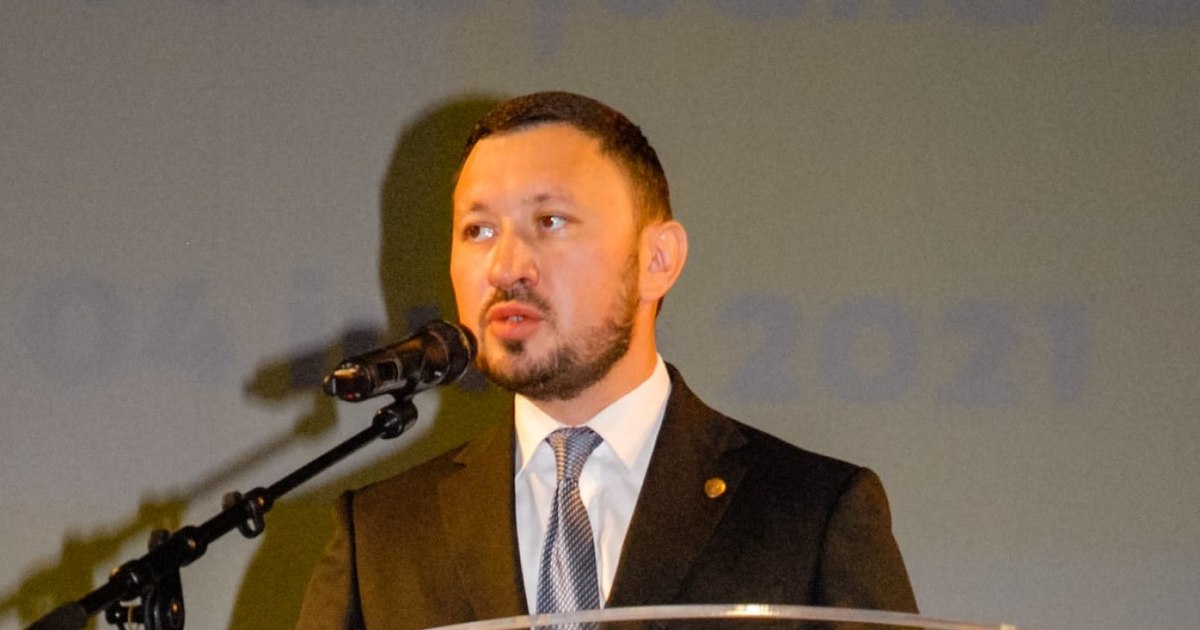
The Minister of the Environment, Mircea Fechet, explained how the textiles will be collected, which Romania is obliged to collect from January 1.
The minister explained that there will be collection points PHOTO Facebook
“Undoubtedly, the law applies throughout the country, both in urban and rural areas. Further, the extent to which this collection of the textile fraction will be done from door to door, or at voluntary collection points, remains at the discretion of the mayor. The obligation is to modify the delegation contracts for the sanitation service, so that, starting this year, we also have the separate collection of textiles”, Mircea Fechet explained to Digi24.
According to the minister, neither in Romania, nor in the rest of the European Union, there are currently sufficient capacities for recycling textile waste, “because this process is extremely complicated”, but recycling is one of the methods, clothes can also be used for energy.
Moreover, they can be redirected to second-hand shops, in which case Romania will have to pay more attention to external transport once it enters Schengen.
The clothes will be taken to collection points
Mircea Fechet also explained that the obligation of each UAT (city hall – editor’s note) is to provide collection points. “Collection points for textiles will not look very different from any other type of collection point for recyclable packaging”the minister also said, explaining that as long as the collection points are near the supermarkets, the clothes will no longer end up in the landfill.
“The sanitation worker, the same or a new sanitation worker, must ensure the collection which, unlike what has happened so far, should no longer end up in the landfill, but should end up in treatment or recycling facilities“, Fechet also pointed out.
The EU Waste Framework Directive (WFD) obliges Member States to have separate collection systems for used textiles from 1 January 2025.
According to the Romanian Textile Reuse and Recycling Association (ARETEX), the legislation centered on Extended Producer Responsibility (REP), still under development at the European Union level, is a necessary measure for the management of post-consumer textiles in Romania.
