
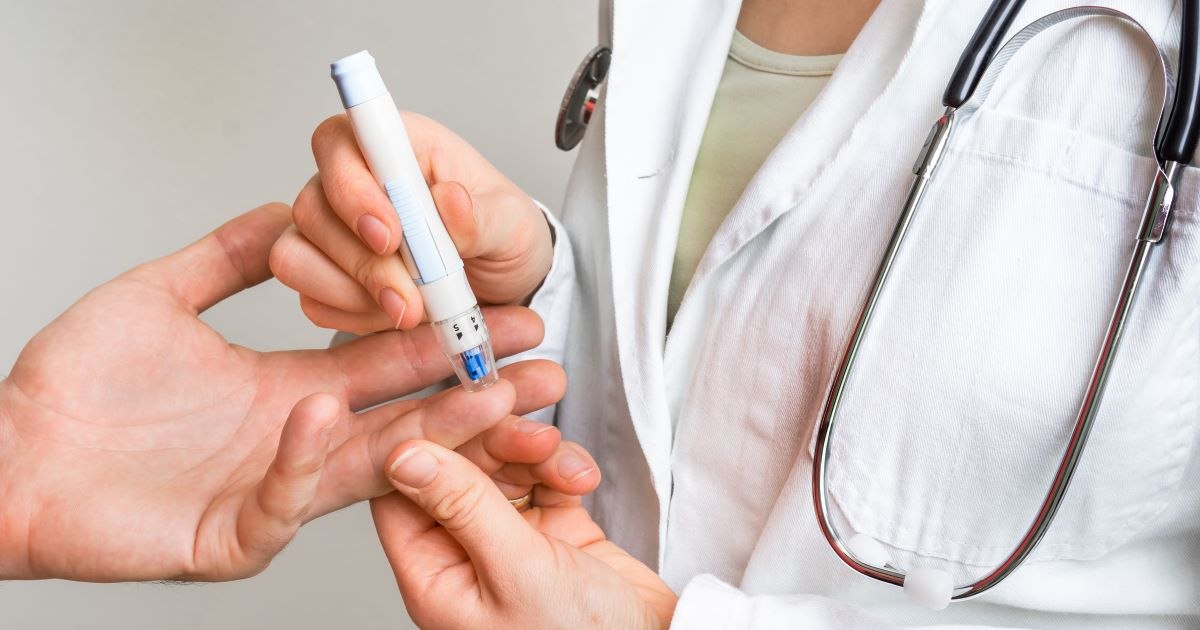
Tens of thousands of people in the UK will have their lives easier with the help of new technology that the authorities will make available for free.
The artificial pancreas will change the lives of patients with type 1 diabetes – Photo Archive
Specifically, “the artificial pancreas” will use a glucose sensor, under the patient's skin, to automatically calculate the amount of insulin to be administered through a pump, reports the BBC. The British health system, the NHS, estimates that it will take around five years until all patients have such a device.
There are 300,000 people with type 1 diabetes in the UK alone, of which around 29,000 are children. Globally, we are talking about 9 million people who suffer from this. In our country, 1.5 million Romanians have diabetes, being the most widespread chronic condition. Of these, around 200,000 have insulin-dependent diabetes.
Prof Partha Kar, NHS National Diabetes Adviser, said the move was “great news for all those with type 1 diabetes”.
“This futuristic technology not only improves medical care but also the quality of life of those affected“, she added.
Those with type 1 diabetes fail to produce insulin, the hormone that turns food into energy. Therefore, he must constantly control his blood sugar and administer insulin daily. “Artificial Pancreas” it does this automatically, mimicking the function of the pancreas. For accuracy, patients should enter details of what they ate.
Doctors believe that the device will revolutionize the lives of patients, it will also reduce the risk of complications – such as heart disease, vision problems and kidney disease.
“Type 1 diabetes is an easy diagnosis to miss, so if you are worried about increased urination, thirst, feeling tired and losing weight, please come forward for supportDr Clare Hambling, NHS England's clinical director for diabetes, said.
Use of the device is recommended for those with type 1 in certain categories, including children and people under 18, pregnant women and those with an HbA1c reading – a way of recording long-term blood sugar levels – of 58 mmol/mol or 7.5%, or higher.
