
Each of us carries in the body a microscopic, but extremely complex structure, which defines our biological identity: DNA. Beyond the obvious similarities we share with the family or even with unknown people, each person has their own genetic code. In this article, we clearly explain what the human DNA is, how this molecule works in our body and why the differences, no matter how small, individualize us. I have prepared explanations easy to follow, concrete examples and details relevant to everyday life.
What is human DNA? Definition and context
DNA (deoxyribonucleic acid) represents the support of genetic information in all cells of our body. In it are the instructions for the development, functioning and reproduction of each individual. In simple terms, you can look at DNA as a library that contains all the recipes needed to function properly.
During the conception, you acquire genetic information from both parents: half of DNA comes from the mother, the other half from the father. This is how the inherited features are combined, but no man has exactly the same DNA with another, except for identical twins. Genetic analyzes use these differences to check relatives, medical predispositions or geographical origins.
Without the genetic code, the body would not know how to build organs, maintain vital functions or adapt to changes. Each function, from how the hair increases to the enzymatic reactions in the liver, depends on the information stored in the human DNA.
DNA structure: What does the genetic code of man look like
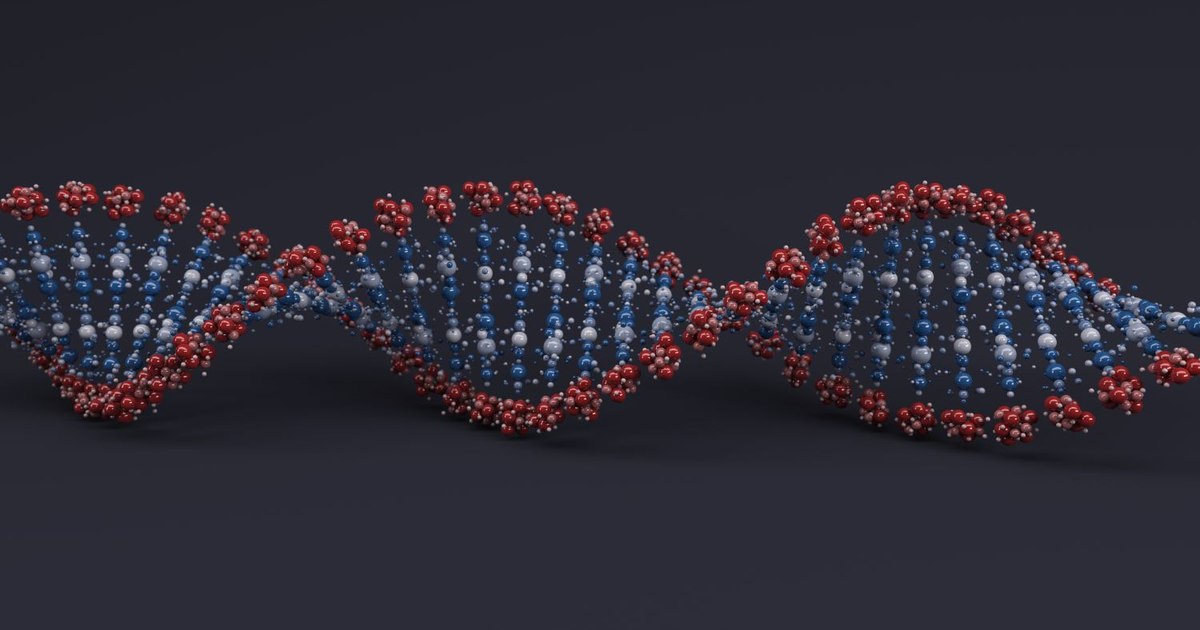
Maybe you saw the typical DNA drawing: a double spiral. This has not only an aesthetic purpose, but reflects the molecular reality. DNA consists of two long chains, twisted around an axis: this is the model called double helix.
Each chain includes basic units: nucleotides. A nucleotide consists of three items:
- a sugar called deoxyibosis,
- a phosphate group,
- One of the four nitrogenous bases: adenine (a), thymine
The bases are binding to each other as follows:
- Adenina with thymine,
- Cytosine with guanine.
The order of the bases gives rise to the genetic code. Exactly this sequence differentiates each species, but also on each person. For example, a tiny change in the order of DNA letters can determine the color of the eyes or the risk of developing a certain food intolerance. For a visual perspective, I invite you to see an animation of the human DNA that highlights the way this structure is organized.
Location of DNA in cells: organization and genes
All cells of our body except for some (such as mature red blood cells), contain DNA. It is found main in the nucleus, in the form of chromosomes. Each man has 23 pairs of chromosomes (ie 46), received from both parents.
Within a chromosome, we identify segments called genes, responsible for the synthesis of certain proteins. Proteins perform various functions, from the construction of tissues to regulating chemical processes.
To fit in the nucleus, DNA molecules are associated with proteins called histone, together forming chromatin. It is compacted and becomes visible as a long microscope thread, especially during cell division.
There are two places where we find DNA:
- Nuclear DNA – present in the nucleus of all cells.
- Mitochondrial DNA – located in the mitochondria, known as the “energy power plant”. This type of DNA comes only from the mother and provides information about the family’s maternal roots.
For example, specialists use mitochondrial DNA to establish the origin of populations or analyze the transmission of certain diseases.
How does DNA work? Replication, genetic interpretation and protein synthesis
DNA does not remain static. It interacts permanently with the internal environment of the cell and with various external factors. There are three main processes related to DNA operation:
DNA replication
When the cell is preparing to divide, it copy its entire DNA. In this way, each newly formed cell receives the same instructions. The replication must take place correctly, but sometimes small mistakes – mutations – lead to genetic variations can occur.
The expression of genes
Not all genes are used in each type of cell or at any time. For example, the gene that influences the development of melanin (skin pigment) will only be expressed in skin cells. The way of “start” or “stop” of a gene is called the gene adjustment.
The process includes the transfer of DNA information to a messenger – messenger ribonucleic acid (MRNA). The mRNA transports the instruction from the nucleus to the cell cytoplasm, where the protein synthesis takes place.
Protein synthesis
The body uses genetic information to produce protein. They intervene in the construction of muscles, support immunity or regulate internal chemical balance. For example, hemoglobin – which transports oxygen into the blood – is made according to such a genetic plane.
What does unique do us? Genetic variations and individualization
Even if people divide a very large proportion from DNA (over 99.9%), the tiny differences between individuals have visible and invisible effects. These variations are called polymorphisms.
The effects of genetic variations:
- modifies the physical features – for example, the differences in height, color of the eyes or a group of blood;
- influences how we react to certain drugs – some people metabolize a substance faster or slower, depending on the genetic profile;
- may increase or decrease the risk of diseases;
- determines how the body manages stress or reacts to environmental factors.
A concrete case is lactose intolerance: certain variants of a gene can lead to inability to digest lactose in adulthood.
Mitochondrial DNA versus nucleus DNA: Differences and inheritance
Nuclear DNA comes in equal proportion from both parents. It suffers mixed in each generation, which makes, for example, the brothers sow, but not identical.
The mitochondrial DNA comes only from the mother and remains constant in the maternal family. Genetic tests focused on this type of DNA can help to draw in detail the maternal family tree or to detect rare diseases that are transmitted exclusively in this way.
In research, mitochondrial DNA is used for:
- The study of population migration,
- identifying maternal source in forensic cases,
- investigations on the transmission of metabolic diseases.
Genetic tests: utility, limits and importance of specialized counseling
Genetic tests are becoming more and more common: you find them in hospitals for diagnosing diseases, risk assessment for certain conditions or in paternity tests.
The main steps of a genetic test:
- A sample (saliva, blood or other tissue) is collected.
- The genetic material is isolated.
- Specialists analyze relevant DNA sequences.
- The results are interpreted with the doctor/geneticist.
Pharmacogenomic – that is, adapting medication according to the genetic profile – helps to select the most appropriate treatments, reducing the risk of adverse reactions. For example, some heart drugs require dosage adjustments depending on certain genetic variants.
The genealogy or identification tests of the relatives work on the same principle, but the correct results are obtained only with specialized interpretation. Without a specialized consultation, you can reach incorrect conclusions about the risk for a certain disease or about the origin of the ancestors.
Remember:
- The result of a genetic test suggests predispositions, does not confirm a disease;
- Consulting a specialist remains necessary to understand the significance of the result and to take the right measures.
What are genetic mutations and how does health influence?
Genetic mutations are spontaneous changes or under the effect of external factors such as radiation or toxic substances. They can change a letter, remove or add a sequence of the genetic code.
When the mutations appear:
- in the process of replicating the DNA;
- in response to radiation exposure or certain chemicals;
- accidentally, without an obvious external factor.
Not all mutations lead to problems. Some do not affect the body or can even help adapt to environmental changes. Others may cause genetic diseases (for example, some forms of hemophilia or muscle dystrophies).
The risks are about:
- locating the mutation in relation to an active or inactive gene;
- the way the mutation affects the functioning of a protein;
- environmental factors and lifestyle of the person.
For prevention and early identification of problems, perform medical checks periodically and talk to your doctor if you have a family history of genetic diseases or other questions about your health.
This article is strictly informative and does not take place of individual medical consultation. For any medical or genetic aspect, consult authorized specialists.
