
“Weekend Adevărul” talked with the historian Lavinia Betea about how going to the camp was perceived during the communist period, what kind of activities were done and under what conditions, but also about the famous camps for students from the sea, where there was fun even before your eyes the informants. The historian also explains what a profile camp meant, where schoolchildren felt that they “belonged to an elite”.
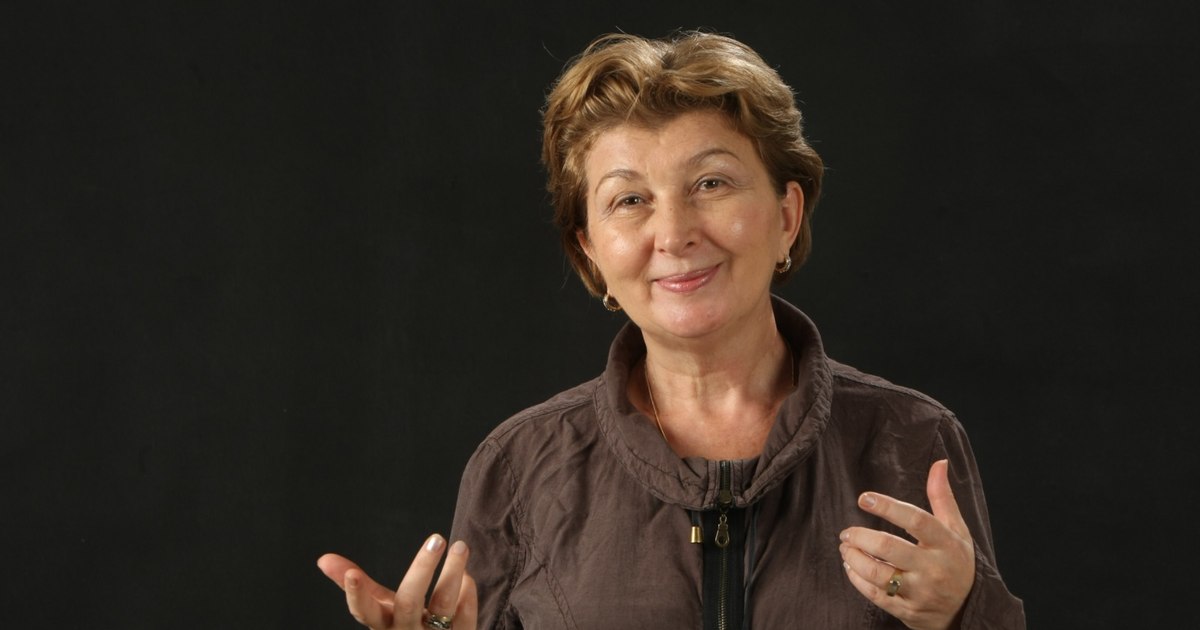
Lavinia Betea remembers what it meant to go to the camp during the communist period. Photo: The truth
“Weekend Truth”: What did it mean during the communist regime to go to the camp? How was this activity viewed?
Lavinia Betea: School camps were seen as a way to stimulate very good children in learning, who went for free as leaders. They represented a reward for good results at school or in various competitions, such as tourist orienteering ones. Many camps were held to improve various skills. It was a formidable thing to go to a camp or resort, especially since the generations before you had not experienced it. They usually stayed in camp for a fortnight, and there were some pioneering ceremonies, but they were looked upon with some indifference. It was not this filter that was introduced later in the years after the fall of the communist regime. At that time, there were very few entertainments and being invited to such a camp was an event looked upon with some admiration, even envy by the other students. In fact, you traveled for free, and in the profile camps you learned something extra and you felt that you belonged to an elite, that you were among young people from all over the country who have similar skills to yours. During the camp, you made various friends from all over the country, and afterwards you corresponded with them by letters. We were actually encouraged to do that.
Adventure and thrills
What kind of activities were done in such camps? We know that there were also profile camps…
There were also recreational school camps, in which there still had to be a program. You can’t keep a certain number of children sitting around for two weeks, you have to have some activities for them. The most coveted places were those by the sea: Năvodari for pioneers, Costinești for UTC-ists and, above all, for students. There were also profile camps. For example, I was the editor-in-chief of the school magazine at the Pedagogical High School in Arad and I went to three camps for the editor-in-chief of school magazines. There were training camps, introduction to the profession. There were very attractive camps: you met journalists who told you how to make a magazine “Lumea”, “Scânteia Tineretului” or “Cutezătorii”, what it means to write an article… So I was learning some useful things. We were organized in detachments, which included two counties each. There weren’t that many school magazines in the 80s when there was a shortage of paper. During those weeks, you had to write some kind of newspaper. Of course, I did everything by hand: articles, poems, drawings, techno-editing were published. Then there was a kind of competition and prizes were given. It was a competition that meant excitement, effort to be among the first, and when you returned home you were congratulated for your contribution. Shows and other competitions were also organized. But they had a framework schedule: waking up was at a certain time, we had breakfast, the morning square was done – some kind of report was given. For example, in the recreation camp in Costinești, the beach was also organized, on schedule. Then there was lunch and various activities. There was a discipline. The chaperones did not take with them children who would have caused discipline problems.
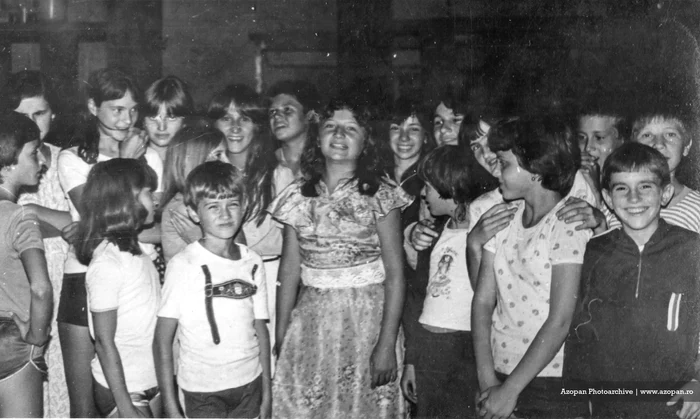
The camps were real reasons for joy for the children. Photo: Azopan
What were the conditions like in such camps?
In some there were dormitories with 10 beds, even 20, and the detachment commanders (teacher or accompanying teacher) slept together with the students, and for them it was considered activity, not recreation. The food was canteen, cooked every day, and I didn’t hear of any food poisoning, but there were no culinary refinements either.
Apart from these free camps for high performing students, were there also camps paid for by parents?
Yes, the recreational ones, but the prices were much lower relative to people’s incomes than they are today. But what is required now, in terms of conditions, did not exist then.
Discotheques and nudist beach
If you were not part of the regime specific associations or organizations, could you go to these free school camps?
I don’t know any student or pupil who has not been part of these organizations. In the 1950s and early 1960s, if you didn’t have a good social background, you weren’t welcome to the pioneers or the UTC. But after Gheorghe Gheorghiu-Dej released all the political prisoners, and in ’64 the category of political prisoner was abolished, it was no longer taken into account even when entering the faculty (there was no longer a numerus clausus). So I don’t know how a child could have said “I don’t want to be a pioneer or UTC-ist”. It was in complete symmetry with your condition as a pupil or student. You didn’t pay attention to it either, it was as if some discipline had now been introduced into your schedule. The generations from ’65 onwards were like that. Anyone could go to the camps.
It appears that the Security has kept a close eye on the student camps throughout time, perhaps more so at certain times than at others. But what was the atmosphere in these camps?
I don’t know if the reality corresponds to what is said now about those times. Indeed, in each year of the study there were some informants, but I do not know what they could have informed. I haven’t seen anyone get hurt for saying banks. There was more freedom in the student camps than in those of the pioneers or UTC-ists. When I was a student, my husband and I went to a beach camp, we just got some free tickets to the beach and we weren’t included in any program. We were assigned a room in the basement of a building in Eforie Sud, the toilet and showers were shared, but we were satisfied and happy to go to the beach for free. There were those camps in Costinești, where a newspaper was published, there was Radio Vacanța, discos were held, students from all over the country met. The amusements were quite different. For me, it is still an enigma that in Costinești there was a nudist beach near that famous shipwreck, where especially students went. Surely management knew. I later learned from a book that nudism was quite common in the German Democratic Republic. I could not say that these amusements resembled those of today. Back then, no one had much money, there were no champagne carts, exclusive discos, but there were things for everyone. You were simply happy with the benefits of nature: the sun, the sea, the beach, the trip itself… Going to camp was something very special for that time, an experience you assimilated as a great adventure.
