
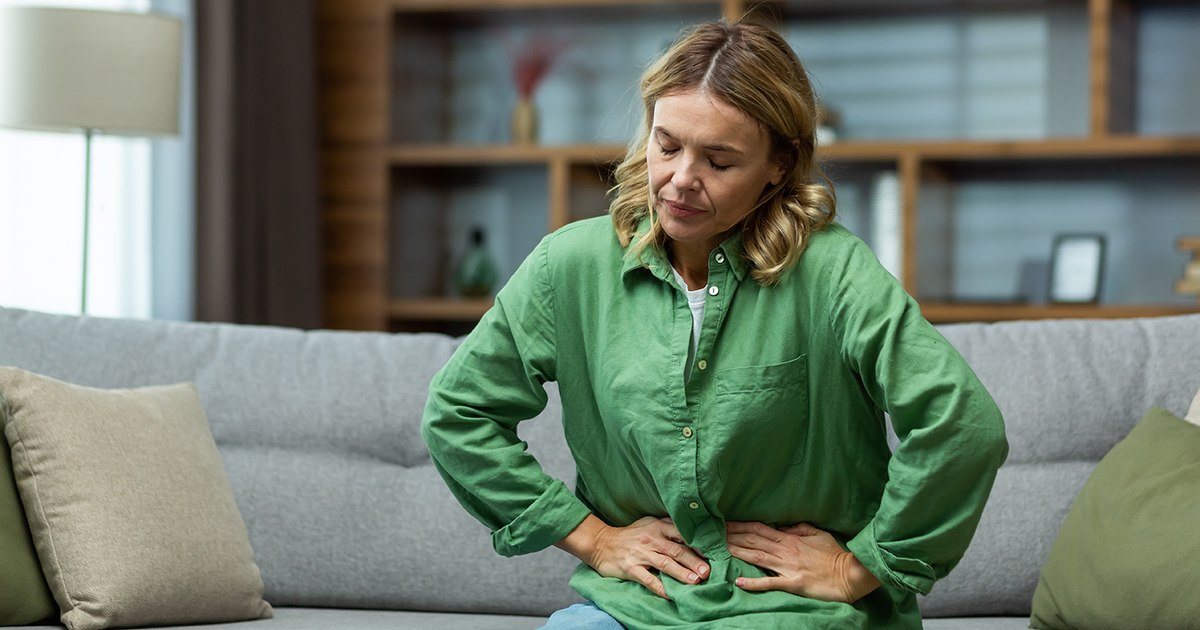
69% of women have physiological changes and symptoms of menopause by age 47, while only 5% after age 50. This is what the largest study on menopause ever done in Romania shows. Symptoms affect both social and professional life. In this context, 82% of perimenopausal and menopausal women want support policies at work, but also more effective public information.
What the “I’m in menopause” study shows
One of the important conclusions, which also works as a wake-up call, is that menopause remains invisible at work, although it affects professional performance.
Concretely, the data of the national study carried out by the Association “I am in menopause” and CURS show that seven out of ten Romanian women in pre-menopause and menopause work. Although with symptoms, 80% of them never missed work because of it. At the same time, 67% of women in this period did not speak at work about the conditions they face, and 62% of those who did did not get any support from their employer.
The same study shows that about 30% of women do not use any treatment, and those who do mainly turn to dietary supplements, natural remedies or topical treatments. At the same time, 42% of premenopausal and menopausal Romanian women have not consulted any doctor. High costs (26%) and lack of specialist doctors (18%) are the biggest barriers.
There are also deficiencies in the information section. More than 40 percent of the women surveyed in the study said they were not sufficiently informed about treatment options, and most had never received information through formal channels such as the health system, school or work.
The study also reveals the need for supportive policies. 82% of women said they want supportive policies in the workplace. And 87% that they would access counseling services, specialized centers or workplace programs, if they existed.
“The whole body is affected by menopause.” Doctor’s recommendations
Dr. Anca Sultan, specialist in obstetrics and gynecology, provided detailed answers to The Truth about Menopause questions and shared practical recommendations and useful tips for women who have entered this stage or are preparing for it.
The truth: What are the main changes affecting a woman at menopause and how can they be managed?
Dr. Anca Sultan: Although menopause is a normal physiological stage, it brings with it a series of hormonal, mental, metabolic, genitourinary, bone and even physical changes. Unfortunately, all of these reduce our quality of life after a certain age and can affect us mentally and emotionally. Their management primarily requires a healthy lifestyle, correct and balanced diet, regular physical activity and giving up vices (smoking, alcohol, etc.). Relaxation techniques such as yoga, acupuncture or breathing exercises also bring benefits. Supplements and antioxidants recommended by your doctor are essential. Hormonal treatment, as long as it is not contraindicated and does not pose risks, is the gold standard for this period of our lives. It can help us manage all the unpleasant symptoms of this period and prevent serious chronic diseases that derive from hormonal deficiency. Psychological support has multiple benefits for sleep and emotional balance. Cognitive-behavioral therapy helps us manage stress and cope better with the wave of emotions and moods during this period.
What complications can occur?
First, the decrease in the quality of life. In postmenopause, cardiovascular risk increases, hypertension, myocardial infarction, stroke. The risk of osteoporosis and implicitly the risk of bone fractures is much higher. Metabolic disorders are also important, we gain weight and have a higher risk of diabetes. The risk of neurological diseases is higher, unfortunately menopause brings with it a higher risk of dementia, Alzheimer’s, Parkinson’s disease. And last but not least, the risk of mental disorders is higher, depression, anxiety.
What tests and medical investigations are recommended at menopause?
First of all, the gynecological consultation with pelvic ultrasound, Babes-Papanicolau test, breast ultrasound and bilateral mammography. The endocrinological consultation is also mandatory, especially since some thyroid conditions can mimic menopause and perimenopause very well. Routine blood tests, hormone measurements, and tests that assess diabetes risk are also needed. Osteodensitometry brings us information about the state of the bone system and can diagnose osteopenia or osteoporosis. Depending on the associated conditions, women may also need other specialists such as a cardiologist, psychologist or psychiatrist, diabetologist or nutritionist. The approach will be holistic and interdisciplinary.
What do Romanian women not know (or know too little) about menopause?
That menopause is not just a stage with hot flashes and that there are, unfortunately, many symptoms of menopause. The whole body is affected, including the heart, bones, libido, mood and cognitive state. Many women do not know that their symptoms begin as early as perimenopause, even 7-10 years before menopause begins. For example, bone degradation starts as early as perimenopause, 2-3 years before it sets in. Many women do not know that lifestyle is very important and that a healthy diet and regular exercise reduce postmenopausal symptoms and complications.
What vitamins become essential for women entering this period of life?
First of all, women should know that supplements should only be taken on the doctor’s recommendation based on needs and diet. Calcium and vitamin D are essential for bone health and the prevention of osteoporosis. Vitamin K2 helps fix calcium in the bones. Bs support the nervous system, reduce fatigue and improve memory. Vitamin E can reduce hot flashes and skin dryness. Vitamin C supports immunity.
The conference presenting the study is called “Beyond the Silence: The Urgency of National Action on Menopausal Women.” What does this national action entail?
Through this action, we primarily aim to draw attention to the fact that menopause is not only a health problem, but also a social one, and the need for support is very high. Menopause can affect our professional performance and unfortunately, access to specialist doctors and treatments is limited. We want to bring more information to women about this period, support women disadvantaged by this period in their lives and help promote their rights.
