
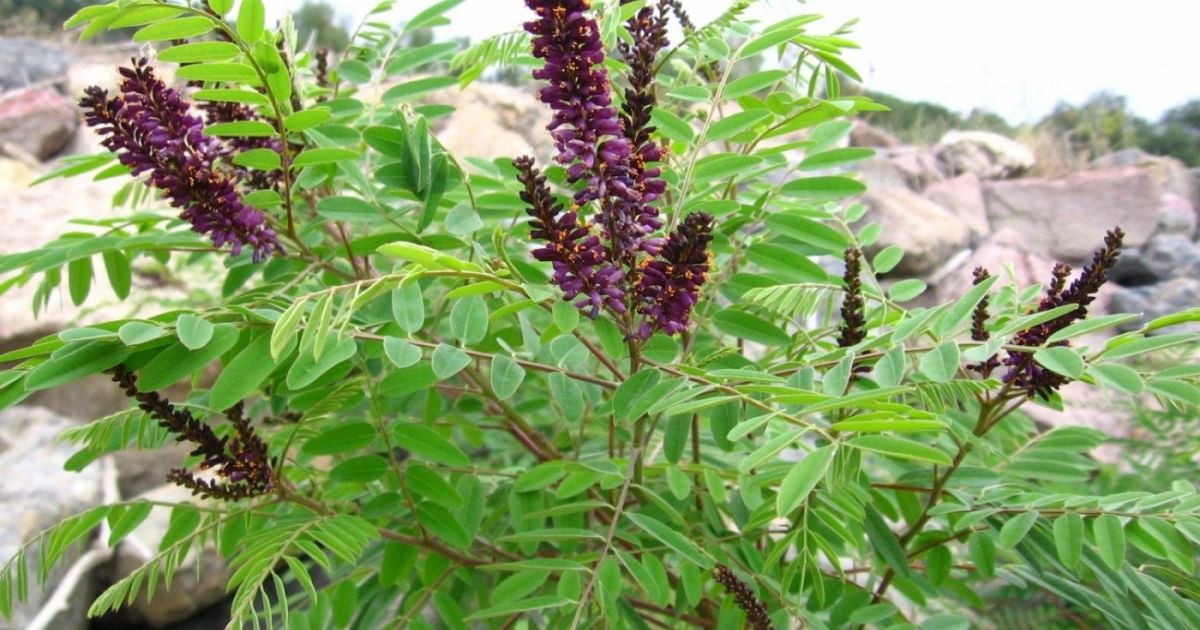
Invasive foreign plants are becoming a growing problem for the environment and for people, draws the attention of the Conservation Carpathia Foundation, stating that approximately 400 species have been identified on the territory of Romania.
Approximately 400 species have been identified on the territory of Romania. Photo Archive
Approximately 400 species of invasive foreign plants have been identified in Romania, eight of which are also spread in the southeast of the Făgăraș Mountains. The foundation recommends the population to limit and prevent the spread of these plants, a first step being the cultivation of native decorative plant species in gardens and a more careful management of plant remains and avoiding throwing them into nature, especially on the banks of rivers.
In recent years, invasive alien (or alien) plant species have become an increasingly present problem worldwide. They are those plant species that are not native to an ecosystem, that is, they are not specific to the place, more precisely to the continent, bioregion, island, but they get there accidentally or as a result of human activity. They are also called foreign, allogenic, exotic or non-native species. The intensification and globalization of human activities and tourism, together with climate change, favors the penetration and development of these species in new territories, creating significant ecological imbalances. These plants spread rapidly, disrupt the ecological balance and adversely affect agriculture, food production and human health.
“The introduction of an alien species can be done intentionally by humans, often without knowing the impact on the local natural environment. A common example is that of ornamental plants, such as the Japanese knotweed (Reynoutria japonica), which “escaped” from gardens and spread, replacing valuable native species for maintaining the natural balance. Seaweed corridors, essential for anchoring banks and preventing natural disasters, are particularly vulnerable to invasion by alien species. That is why we have started disposal activities along the rivers. In invaded sectors, these plants lead over time to the elimination of native species, reducing biodiversity and favoring ecological imbalances” said Dr. Biologist Oliviu Grigore Pop, Conservation Carpathia Foundation.
Invasive species identified
The Conservation Carpathia Foundation has so far identified eight species of invasive foreign plants in the project area, located in the southeast of the Făgăraș Mountains, over a length of over 170 kilometers on the Dâmboviței Valley, the Târglui River, the Vâlsanului Valley, the Doamnei Valley and two tributaries of Lake Vidraru. The plants identified are: Japanese knotweed, American gorse, Himalayan gorse, pig turnip, mother-in-law, garden gorse (Canadian gorse), small-flowered gorse, and orange lily.
Countermeasures
Starting from 2020 and until now, the foundation’s teams have carried out actions to eliminate invasive foreign species in the river valleys, along a length of 157 kilometers. These actions involved nature-friendly methods such as mowing, uprooting and cutting invasive plants without the use of chemicals.
For a detailed analysis, Dr. Biologist Oliviu Grigore Pop coordinated a scientific study on 164 kilometers along the main valleys in the Făgăraș Mountains area. This study is part of the LIFE Carpathia project, “Creation of a wild nature area in the southern Carpathians, Romania”.
Based on the results of the study, the Conservation Carpathia Foundation developed an action plan for the control and limitation of invasive species. Actions will continue until the range of these species is reduced by at least 50%.
The impact of invasive species
Invasive alien plant species, often intentionally introduced into gardens for their ornamental appearance, can cause significant damage.
“Vegetation areas along the Dâmbovița and Argeș rivers are severely affected by logging, overgrazing and climate change, thus facilitating the invasion of foreign plants. These plants grow rapidly and replace valuable species for the ecosystem. Many times, invasive alien plants are brought in intentionally for decoration, but once acclimatized, they cause significant ecological imbalances. After being cultivated in gardens, these plants multiply and end up escaping into nature. The problems are compounded by bad practices such as irregular mowing of lawns, leaving the soil bare and discarding plant debris containing invasive plants. For example, Japanese knotweed can even grow through asphalt or cement because of its extremely hardy rhizomes. Because these plants have no natural enemies and spread rapidly, human intervention is essential to control and limit their impact.”said Dr. biologist Oliviu Grigore Pop.
What can we do
To prevent and control the spread of invasive alien plants, the following actions are required:
-
Preventing the introduction of potentially invasive alien species into gardens and nature. Plant native species or ornamentals that have no invasive potential in gardens. (blueberry, dogwood, rose hip, hawthorn, elder, etc.)
-
Limiting the expansion of already established species.
-
Learn about the potential of these plant species and how you can control them if you already have them in your garden. Do not throw vegetable waste from gardens into nature.
-
According to studies, 396 invasive or potentially invasive foreign plant species have been identified in Romania so far.
