
The endocrinologist doctor Ruxandra Dobrescu explains the role of iodine in the body, where we find it, in what quantity is needed and in which situations it can lead to excess.
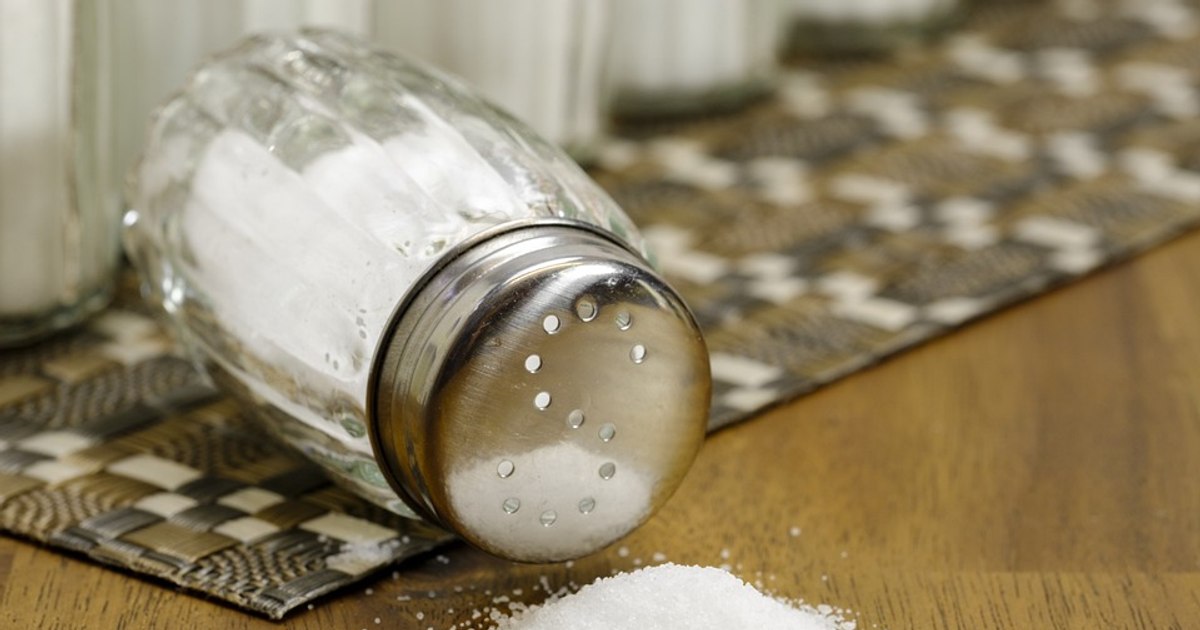
Iodized salt is an important source of iodine PHOTO: Pixabay
The human body needs thyroid hormones for growth, development and regulation of metabolism, and to synthesize these hormones the thyroid needs iodine, explains Dr. Dobrescu, in a post on Facebook. We find iodine in water and food, but in certain iodine deficient areas supplements are needed.
The World Health Organization recommends a daily intake of iodine according to age. Thus: preschoolers need 90 micrograms/day, children aged 6-12 – 120 micrograms/day; children over 12 years old and adults – 150 micrograms per day; pregnant and lactating women – 250 micrograms/day.
How much iodine do we need daily?
The doctor also explains how to achieve this need.
“Foods rich in iodine are fish, seafood and algae, that is, things that come from the sea. Vegetables and meat and dairy products contain different amounts, depending on the iodine content of water and soil, and it varies widely geographically. In iodine-deficient areas, such as Romania, we need supplements, and the most effective method is to use iodized salt, which we (almost) all need. Very few people need to avoid iodized salt, and only for a limited time: for example, patients with thyroid cancer who are preparing for radioiodine therapy or people with severe hyperthyroidism, until thyroid function is balanced.” states Dr. Ruxandra Dobrescu, on his Facebook account.
Beware of certain medications and supplements
For people who have undergone thyroid surgery, there is no longer a problem with optimal iodine intake, because they take their thyroid hormones ready-synthesized, by administering Euthyrox daily.
“In general, the iodine we get from iodized salt is sufficient, but there are situations when it needs to be
The excess generally occurs at over 1,000 micrograms of iodine per day for most people and at a lower threshold (around 500 micrograms/day) for people with autoimmune thyroid disease, Dr. Dobrescu also states.
Through the normal consumption of iodized salt (5 grams of salt/day) we are very, very far from the dangerous threshold of excess iodine. There are other dangers, however.
“Rather, we should be careful with some drugs, for example amiodarone and iodine preparations administered on the skin or mucous membranes, some natural preparations or food supplements that may contain high doses of iodine (algae preparations, Spirulina, etc.) and tomography with the substance contrast, which contains very high doses of iodine”, adds Dr. Ruxandra Dobrescu.
In the case of supplements, the danger arises when they are administered after the ear and for longer periods of time.
Myth dismantled
The endocrinologist also addresses the topic of iodine consumption in the case of people with autoimmune thyroid disease. It dispels the myth that these people should not consume iodine, therefore neither should iodized salt.
“There is a popular theory that people with autoimmune thyroid disease should not consume iodine or iodized salt. Well, that's not true. Because you can't “manufacture” thyroid hormones without iodine, that's the raw material you need. So iodized salt is also indicated for people with autoimmune thyroiditis”, writes the doctor. Excess is harmful instead.
In the case of a perfectly healthy person, the body keeps the amount of iodine it needs from food, and the excess is eliminated through urine or is not absorbed.
“Furthermore, the thyroid has mechanisms to protect itself from excess iodine, so we rarely experience excess when we're talking about very large amounts of iodine.”the doctor reassures us.
In the case of people with autoimmune thyroid damage, there is a greater sensitivity to excess iodine, the thyroid failing to protect itself as effectively. Thus, for these people, a maximum limit of 500 micrograms of iodine per day is mentioned, but not to avoid iodine, implicitly iodized salt, altogether, the doctor emphasizes.
