
Italy is introducing new rules for three of its most popular destinations in a bid to reduce overcrowding by limiting large groups, restricting outdoor dining and encouraging slow and respectful visits.
Italy is never short of rules, and this year three of the country’s most sought-after destinations — Capri, Florence and a mountain village in the Dolomites — have introduced new measures to manage tourist overcrowding, writes the AFAR publication.
Capri limits organized groups
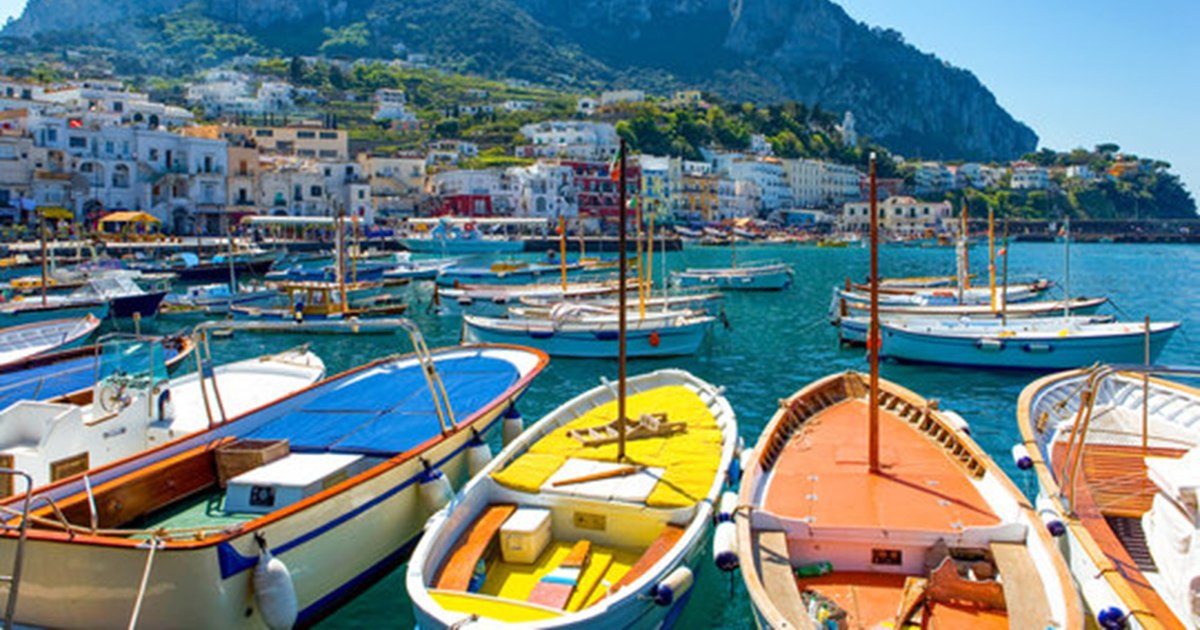
About 13,000 people live permanently on Capri, and on peak days in the summer season, up to 50,000 visitors arrive by boat or fast ferry, more than three times the local population, crowding the narrow streets, viewpoints and squares.
Starting from the summer of 2026, organized groups will be limited to 40 people, a decision unanimously approved by the local council. For groups larger than 20 people, loudspeakers are prohibited and visitors will use wireless headphones.
Guides can no longer use colored umbrellas or placards to lead groups; they must now use a discreet panel. Also, the stickers pasted by some operators on visitors, which, once peeled off, spread on the streets, are prohibited.
Capri has regulated visits since the 1960s, when wearing wooden clogs and listening to radios in public were banned. The new rules are less dramatic but significant.
“It’s an act of responsibility that reflects our vision for a more livable island,” said Lorenzo Coppola, president of Federalberghi Capri, the local association of hotel owners and tour operators. “The new rules for organized groups are indispensable tools for decongesting critical areas such as Piazza Umberto I and Marina Grande port, giving breathing space to pedestrian routes.”
Florence limits outdoor dining
Starting in early 2026, Florence has banned outdoor dining on 60 streets in the UNESCO-protected historic center, including Ponte Vecchio, Piazzale degli Uffizi, Via Roma and Via Maggio. Another 73 streets will be subject to strict rules: no plastic tarps, no advertising and no colored lighting. Enforcement of the regulation is ongoing, and dozens of fines were issued in the first weeks of March.
Italy, increasingly expensive for tourists: new taxes and restrictions in the big cities. How much does it cost just to enter Venice

Coral Sisk, a food writer from Florence and founder of Curious Appetite, a food tour company in Italy, believes the ban “a double-edged sword”.
She says: “As a local, I love being outside in the spring and fall — obviously we want to enjoy these gorgeous boulevards and squares and eat alfresco — but I understand the need to reduce congestion and obstacles for essential vehicles like ambulances and delivery trucks. The streets are getting too congested.”
A village in the Dolomites encourages slow visits
The village of Santa Maddalena, hidden in the Val di Funes, a picturesque place in South Tyrol, seems too good to be true, but like many gorgeous places, it has gone viral.
The church hit Chinese social media after it was featured on SIM cards distributed by a Chinese mobile operator more than 10 years ago, and what was a hiker’s discovery has become a major tourist destination, frequented mostly by day visitors, not longer-stayers.
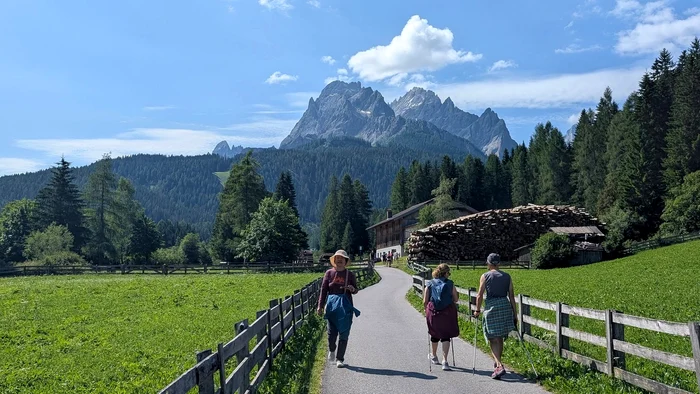
In an interview with the local newspaper Il Dolomiti, the mayor of the municipality of Funes, Peter Pernthaler, emphasizes that the road in Santa Maddalena is narrow and that the area must find solutions so that residents and tourists can move freely without blockages. With about 600 visitors a day in high season, most just take a picture and leave, and the situation gets out of hand. “We need order, both for those who live here and for those who come to take the traditional picture and then leave,” he says.
From May 2026, tourists will have to park further away and pay a parking fee.
“Day visitors are still welcome in Santa Maddalena,” says Fabian Messner, manager of Hotel Fines, located in the village. The initiative does not restrict general access, but only a small part of the area, controlled by barriers to prevent cars from reaching the church and using the very narrow roads. The village hopes for something more difficult to legislate: “We want guests to slow down, spend the day here, discover the culture, local products and nature and live the experience respectfully, not just take a picture and leave”explains Messner.
Those staying longer can explore the Val di Funes, designated South Tyrol’s first Slow Food Travel destination, visiting working farms, mountain huts and the Adolf Munkel trail below the Odle peaks.
