
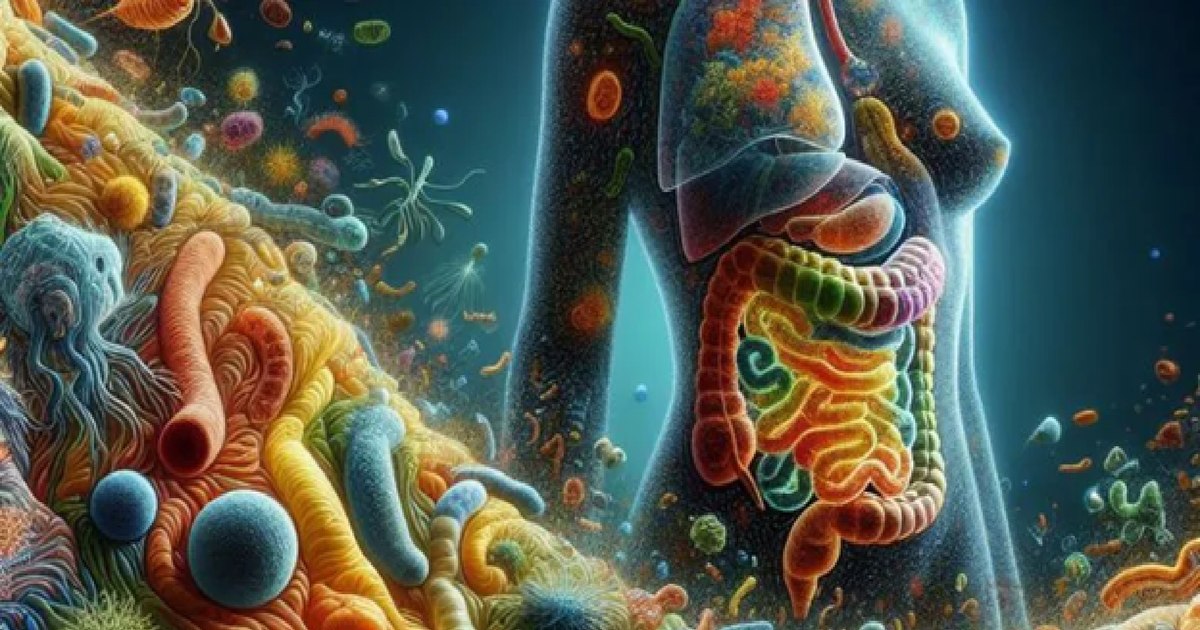
There are several unexpected ways that improve the intestinal microbiome, not just the diet, which are limited to most of the recommendations. From a simple gargoyle to the adoption of a pet or from barefoot to kiss.
Diet is just one of the factors that can affect NewMedicine Photo Intestinal Health
“The diet often occupies a central place in discussions about the intestinal microbiome and rightly – plays a major role”, says Emily Leeming, scientist, dietitian and researcher at King’s College London. However, this emphasizes that, in fact, the diet “It’s just a part of a much larger image. Our whole lifestyle – from the level of stress and the quality of sleep to the time spent outdoors – deeply shapes our intestinal health. ”
Thus, in reality, according to The Guardian, there are a lot of factors that can influence intestinal health:
kiss
“The mouth is the gateway to the intestines and the digestive tract and hosts billions of bacteria that can make their way down”, Points Leeming. The kiss can transfer up to 80 million microbes in just 10 seconds, becoming an asset for intestinal health.
Barefoot walking
The soil is “The richest habitat on the planet ” And it contains billions of beneficial microbes that can make their way into and on the body, Leeming shows. In fact, it has been discovered that a group of Amazon hunters, who live in close contact with nature and go barefoot daily on a soil rich in nutrients, have the most diverse intestinal microbiota ever recorded in humans.
The more we interact with the natural environment, the better, whether it is the care of an apartment plant or the touch of a tree. “The air in the forest is much richer in beneficial microbes than the air inside, so even the breathing of fresh air can improve your health ”, May says Leeming.
Carbohydrate consumption
The list is complemented by consumption of foods high in starch, carbohydrates, such as potatoes, rice, pasta and bread, after they are cool, even if they are reheated. This creates durable starch, a type of carbohydrate that resists digestion in the small intestine. “Instead, it reaches the large intestine, where our good bacteria feed on it.”explains nutritionist Emily English. In doing so, they produce compounds that help maintain a healthy intestinal mucosa, reduce inflammation and even support the balance of blood sugar.
Abdominal breathing
An increasing number of research shows that intestinal microbiome and emotional well -being are closely linked. Stress and mood disorders, such as depression, can even affect the composition of intestinal bacteria.
Deep and conscious breathing activates the parasympathetic nervous system (“rest and digestion mode”, promoting repair, regeneration and a calmer mental state. In this calmer state, body systems can work at maximum capacity, restoring balance, repairing daily wear and counteracting the effects of stress.
An prolonged expiration always slows down the heart rate and signals the nervous system that it is time for calming. When we stay stuck in the fight or run, the body deviates resources from functions like digestion, channeling blood to muscle
Prior to the breathing exercises, the Rob bad transformational breathing coach encourages his customers to master a simple, but surprisingly difficult practice, to stay, in silence, for five minutes a day. “Sounds easy but with a duration of attention around eight seconds, it is more difficult than ever”, Explains the specialist.
Dark chocolate
The right type of chocolate can be beneficial for intestinal health. “Black chocolate – made of at least 75% cocoa – is rich in powerful vegetable compounds called polyphenols, which nourish good microbes and act as antioxidants in the intestine.”says Dr. Federica Amati, nutritionist.
gargle
The vagus nerve, which connects the brain to a number of different organs, including the intestine, starts from the brainstem, through the neck and reaches to the abdomen. According to Leeming, it is one of the most direct ways in which the intestine can communicate with the brain, and called beneficial bacteria produce neurotransmitters that stimulate receptors.
Research suggests that people with higher vague nerve activity tend to have more diverse and balanced intestinal microbiome. Although more data are needed, stimulation of the vagus nerve in certain medical contexts has been shown to influence food movement through the digestive system and improve microbial balance, inflammation control and immune function, and gargle is a simple technique of mechanical stimulation of the neck muscles activates vagal paths, ”advises, and as a change It is believed to have beneficial effects
Other simple practices include frauduing or massage of the side parts of the neck, especially around the sternocleidomastoid muscle on both sides.
dogs
The people we live with, whether they are family, friends or apartment colleagues, can influence our intestinal health, and the same is true for animals. Thus, those who have pets are more likely to have a diverse intestinal microbiome. Why? Because we naturally exchange bacteria with those in the immediate vicinity.
Studies show that childhood exposure to furry pets, such as cats and dogs, both before and in the first months after birth, can enrich the intestinal microbiome with beneficial bacteria, related to a low risk of allergies, as well as lower obesity rates.
In adults over 65, it has been shown that the canine fellow increases the populations of beneficial bacteria, simultaneously suppressing the harmful stems.
