
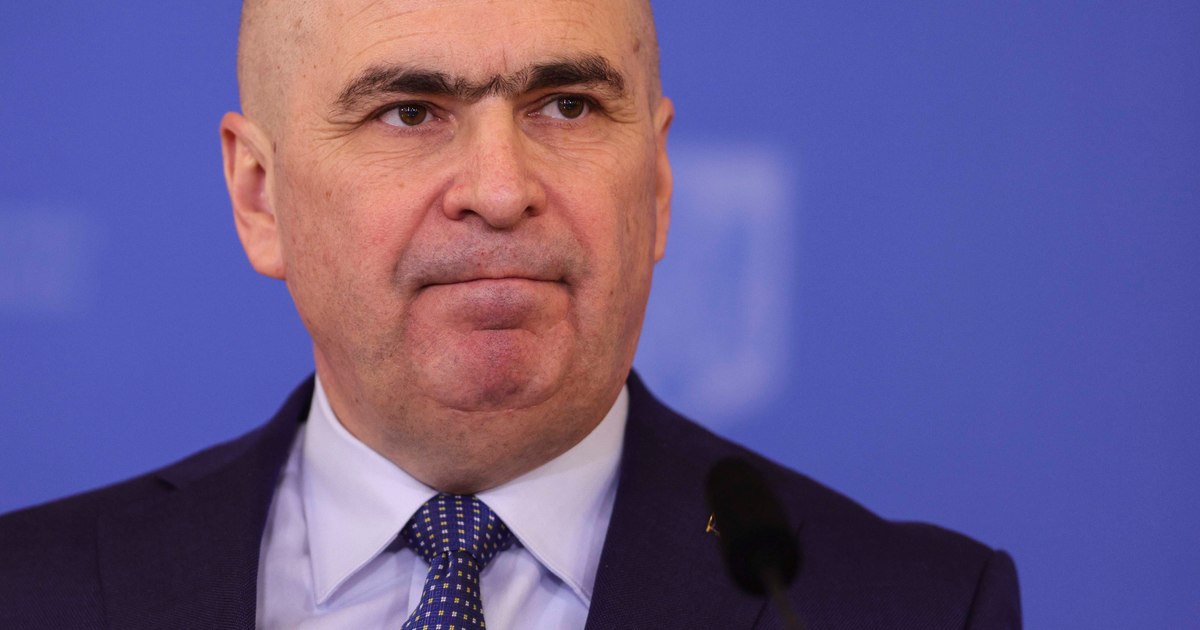
Interim president Ilie Bolojan announced that he will appoint a prime minister on Tuesday, 6 May to take over the interim leadership of the government after the resignation of Marcel Ciolacu.
Romania will have both president and interim premier photo inquam
Interim president Ilie Bolojan announced on Monday evening that he had notified the resignation of Prime Minister Marcel Ciolacu. Thus, according to him, on the first part of Tuesday, May 6, he will appoint an interim prime minister in the executive leadership, who will keep his ministers, despite the PSD announcement on the exit from the government.
According to political sources, the Minister of the Interior, Cătălin Predoiu, would have refused to replace Marcel Ciolacu to lead the Government. Nor did Marian Neacșu want the interim prime minister.
The Minister of Education Daniel David and Bogdan Ivan, the Minister of Economy and Digitization would have remained in books.
The ruling coalition met in the meeting on Monday. The PSD, PNL and UDMR leaders analyzed the results obtained at the first round, and the decisions taken will change the current government painting.
Resignation
The resignation of Prime Minister Marcel Ciolacu comes after the candidate of the ruling coalition, Crin Antonescu, failed to qualify in the second round of the presidential elections, so that “The coalition agreement was not fulfilled. ”
“The ruling coalition does not have a legitimacyat least in this composition. I proposed to my colleagues the exit of the coalition, which leads to my resignation from the position of prime minister ”, Marcel Ciolacu explained.
Asked by journalists about his resignation, Marcel Ciolacu said that he was to be dismissed by the future president of Romania anyway, regardless of which of the two candidates left in the electoral race will reach Cotroceni.
What happens to the government
Social-democratic ministers remain in office, to avoid an accentuated political crisis.
However, the interim government, led by a temporary premier, has restricted duties compared to a government with full powers.
During the interim period, the executive is allowed to issue only normative or individual acts necessary for the proper administration of public affairs. However, he cannot initiate new public policies.
Also, the interim government cannot issue emergency ordinances or ordinances, nor has the right to initiate draft laws in the Parliament.
This limitation of the duties has the role of preventing the abuse of power in a period of political transition and to guarantee institutional stability until the appointment of a new legitimate office.
