
The summer season brings with it not only the joy of bathing in swimming pools and pools, but also the risk of contracting various infections. Doctors of the Clinical Hospital of Infectious Diseases and Pneumophysiology “Victor Babeș” in Timisoara draw attention to the dangers hidden in the insufficiently treated water and explain what diseases can be transmitted and how they can be prevented.
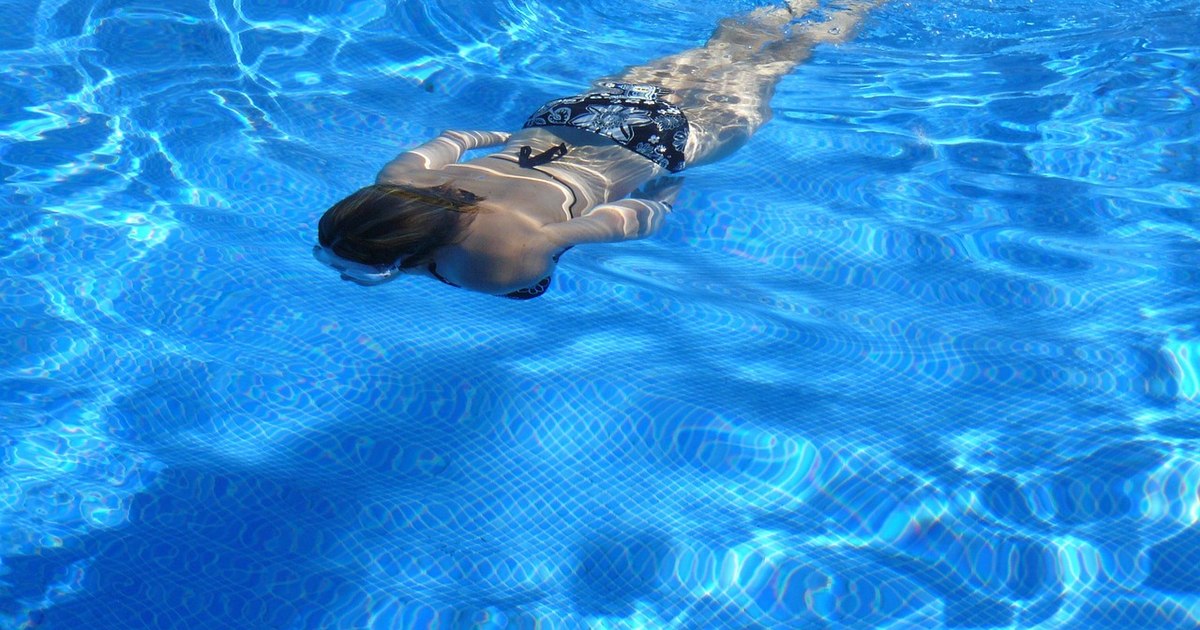
Insufficiently treated water at the pool, risk of hazardous infections photo archive
Specialists warn that when the water is not correctly disinfecting and monitored, it becomes a conducive environment for bacteria, viruses and parasites.
“The improper water treated from the swimming basins can favor the multiplication and transmission of certain infections. These can be transmitted either directly, by contact with infected persons, or indirectly, through contaminated water or surfaces around the basins ”explains Dr. Adelina Larisa Copaci, resident doctor in the “Victor Babeș” Hospital.
Unfortunately, the risks are multiple and varied: from skin, eye or auricular infections, to digestive, respiratory or even hepatitis A.
Insufficiently treated water, risk of infections
Skin infections: from dermatitis to plantar warts
The most exposed to dermatological problems are children and people with sensitive skin. Dermatitis The pool, one of the most common conditions, manifests itself by the appearance of red, sometimes itchy rashes, located on the areas covered by the bathing suit.
Another widespread problem is
the fungus of the foota fungal infection that is easily transmitted through the wet floors around the pools or showers.
Also by contact with contaminated surfaces can be transmitted
plantar wartscaused by the human papilloma virus (HPV).
In addition, doctors also signal a viral infection, called “Molluscum contagiosum”, Which causes the appearance on the skin of glossy lesions with papules.
Ear infections: otitis external
Another common risk is external otitis, painful inflammation of the external auditory pipe.
“The bacteria present in the water, including Pseudomonas or Staphylococcus aureus, find the conducive environment due to favorable factors: persistent moisture and microlezions caused by scratching or using ear sticks ”, Detales Dr. Trees.
This infection can be particularly annoying and usually requires drug treatment.
Eyes, another entrance gate for infections
The pools can also be associated with bacterial or viral conjunctivitis. Contact with contaminated water or even irritation produced by too high a chlorine concentration can lead to redness, burning sensation, tears and, in case of bacterial infection, purulent secretions.
“When we talk about eye infections, related to swimming swimming or pool, we mention bacterial or viral conjunctivitis. Contaminated water or irritation produced by a larger amount of chlorine can lead to redness, burning, tears and even purulent secretions in the eyes, in case of infection with a bacterial agent ”is shown in the Facebook post of the “Victor Babeș” Hospital in Timisoara.
More serious is that contact lenses have an increased risk of developing keratitis, an inflammation of the cornea that can be caused by both bacteria and protozoa.
Digestive problems and hepatitis of
A special chapter is represented by the infections of the gastrointestinal tract, which appear after the accidental swallow of contaminated water. Depending on the pathogen, they can be: bacterial (Escherichia coli, Salmonella, Shigella), viral (adenovirus, Norovirus), parasitic (Giardia lamblia, cryptosporidium).
“These microorganisms have developed their ability to resist even in chlorine-treated waters and are causing abdominal cramps, persistent diarrhea and fever, if they are accidentally ingested by water,” warns the doctor.
Also, contaminated water can also transmit hepatitis A, a viral disease with manifestations that include accentuated fatigue, jaundice and abdominal pain.
Respiratory infections: Increased risk of contact, in indoor swimming pools
Not only direct contact with water is dangerous. In closed spaces, with interior basins, there is a risk of inhalation of contaminated aerosols, which can facilitate the transmission of pathogens responsible for respiratory infections.
Explosion of cases of enterovirosis in children
In the last week, the guard rooms in the pediatric hospitals in the capital and in the country are overwhelmed by a wave of hospitalizations. Over 120 children arrived in a single guard at the Institute for the Protection of the Mother and Child “Alfred Rusescu”, the majority with high fever, vomiting and dehydration.
Many of them have been diagnosed with enteroviruses, infections specific to the hot season, which are transmitted rapidly including by contaminated water.
Contacted by Adevărul, the pediatrician, Mihai Craiu, claimed that most of the children admitted in recent days had been at the pool.
“It was, somewhat normal to happen, because we are in the middle of summer, in the area of heat and significant circulation of various types of viruses: from the hands, surfaces, water from the pool, the bars of the parks in the parks.
(…) Some seems to be the risk is very low. At this moment the risk is not so small“, Said the doctor.
How can we protect ourselves
Doctors recommend some simple but effective prevention measures:
-
choosing authorized pools, where the water is chemically and chemically chemically verified;
-
performing a shower with soap and water both before and after entering the pool;
-
the use of special footwear around the swimming pools and in the show area;
-
avoiding swimming in the case of open wounds, rashes or skin infections;
-
use of ear plugs and drying the ears after the bath;
- Wearing swimming glasses, especially by contact lens bearers.
In addition, Dr. Mihai Craiu came with a saving advice for parents. The disinfectant gel should be endless from the pool or beach bag.
“The most handy solution for parents este
to follow the little ones not to take their hand to their mouths without wash. If there is no handy bath, then use disinfectant gel, especially at sea or pool ”,
recommends Prof. Dr. Craiu.
In order for a simple day of fun at the pool not to end at the hospital, the specialists draw attention to the importance of awareness and prevention methods.
